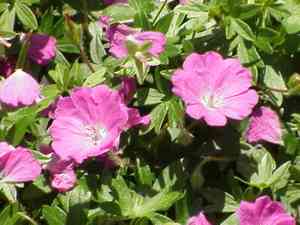
California fagonbush (Fagonia laevis)
Also known as: Button Fagonia, Smooth Fagonia
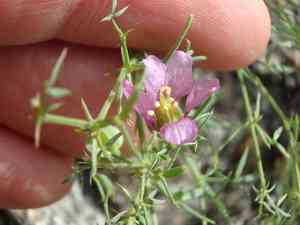
The California fagonbush (Fagonia laevis) is a desert plant characterized by its compact, low-growing form, and slender stems and leaves, which collectively help minimize water loss by reducing surface area. In favorable years, this plant is capable of blooming twice.
In This Article
Attributes of California fagonbush
Lifespan
Perennial
Plant Type
Shrub
Plant Height
46 cm
Spread
1 m
Leaf Color
Bright Green
Flower Size
1 cm
Flower Color
Purple
Images of California fagonbush
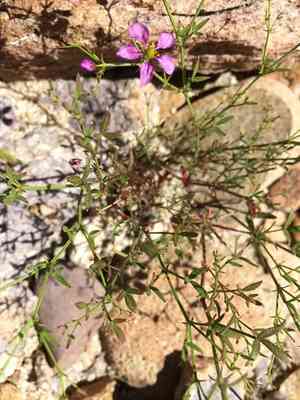
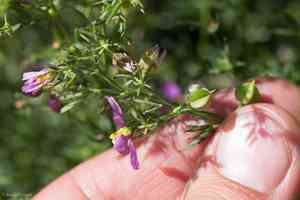
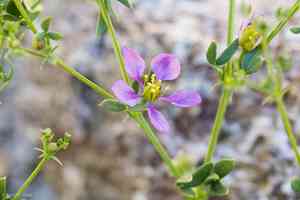
Quickly Identify California fagonbush
1
The plant can be identified by its smooth stems and small, bright green trifoliate leaves. Its flowers are small and purple, and it often forms low, bushy clumps.
Scientific Classification of California fagonbush
Phylum
Vascular plants
Class
Dicotyledons
Order
Zygophyllales
Family
Creosote-bush
Genus
Fagonbushes
Species
California fagonbush
Planting and Growing of California fagonbush
Care Difficulty
Easy
Watering Schedule
Every day
Sunlight Requirements
Full sun
Sunshine Duration
6-10 hours
Ideal Temperature
68-77℉
Soil Type
Potting Mix, Peat Mix
Soil pH
6.5-7.5
Fertilizer Type
Balanced
Pruning Season
Spring, Summer
Pruning Area
Branches, Leaves
Pruning Frequency
2 times a year
Repotting Season
Spring
Pot Type
Plastic, Ceramic
 How to Water California fagonbush?
For Fagonia laevis, the watering amount should be enough to moisten the soil thoroughly, ensuring it reaches the root zone without causing waterlog. Ideally, around 100ml suffices, reflecting its natural resilience to arid conditions.
What are the symptoms of an underwatered California fagonbush?
›
What should I do if my California fagonbush is not getting enough water?
›
What are the symptoms of an overwatered California fagonbush?
›
How to save an overwatered California fagonbush?
›
 What Are the Sunlight Requirements for California fagonbush?
Fagonia laevis thrives in full to partial sunlight, benefiting from ample light exposure. This condition supports its natural growth patterns and ensures vivid plant health.
More About Sunlight Requirements Techniques→
Question: What is the best lighting condition for Fagonia laevis?
›
Solution: How to achieve ideal light for Fagonia laevis?
›
Benefit: What are the benefits of ideal lighting conditions for Fagonia laevis?
›
 What Is the Ideal Temperature Range for California fagonbush?
The ideal temperature range for growing Fagonia laevis is between 68°F and 77°F. This range provides the optimal conditions for photosynthesis and growth, ensuring that the plant receives enough warmth without stress from overheating. Maintaining this temperature range helps the plant to thrive and produce healthy foliage.
 What Soil is Best for California fagonbush?
Fagonia laevis thrives in well-draining soil, which prevents root rot and promotes healthy root growth by allowing excess water to escape quickly. Light-textured soil, such as sandy loam, is ideal for Fagonia laevis because it facilitates root penetration and encourages robust plant development. While not nutrient-heavy, the soil should provide essential nutrients to support the plant’s minimal fertilization needs and maintain its characteristic hardiness.
 How to Fertilize California fagonbush?
For Fagonia laevis, moderate fertilization is key. Use a balanced 10-10-10 liquid fertilizer diluted half to one-quarter strength monthly. For solid fertilizer, apply 50-70 grams per plant of a controlled-release formula once every four months to coincide with the growing periods in spring, summer, and early fall.
 How to Prune California fagonbush?
Begin by removing any dead, diseased, or damaged branches. Cut back to healthy tissue or to the main branch. This will help redirect the plant’s energy towards healthy growth and reduce the risk of spreading disease. Balance the shape of the plant by trimming back long, leggy stems. Aim to create a more rounded and compact form. This not only enhances the aesthetic appeal but also promotes a sturdier structure that can withstand elements better. Pruning encourages new growth, so trim branches just above a node facing outward. This directs new growth away from the center, increasing air circulation and light penetration, essential for healthy foliage and flowering.
More About Pruning Techniques→
 How to Propagate California fagonbush plant?
1
Fill the seed tray with a fine potting mix, ensuring it’s about three-quarters full. Gently tap the tray to level the soil without compacting it. Ensure the soil is moist but not waterlogged to create an ideal environment for seed germination.
2
Scatter Fagonia laevis seeds evenly across the surface of the potting mix. Cover the seeds lightly with a thin layer of potting mix, approximately 1/4 inch, so they're not exposed. This thin covering helps retain moisture and protect the seeds from being disturbed.
3
Place the seed tray in a warm, sunny location, ideally with temperatures between 68-77°F (20-25°C). Use a clear plastic dome to cover the tray or place it in a mini greenhouse to maintain humidity. Check regularly to ensure the soil remains moist but not wet.
 How to Repot California fagonbush plant?
1
You should consider repotting Fagonia laevis when you notice that its roots are starting to protrude from the drainage holes of the current pot. Other signals include slow growth and when the soil dries out faster than normal. These signs usually indicate that the plant has outgrown its current home and repotting is needed for healthy growth.
2
Select a pot that is slightly larger than the current one, with at least one drainage hole. A pot that's too large may lead to waterlogged soil, whereas a slightly larger pot promotes adequate root space and growth. The material of the pot should also be breathable, such as clay, to prevent root rot and other issues associated with trapped moisture.
3
Opt for a sandy, well-draining soil mix that mimics the plant's natural habitat. Such a mix ensures that roots are not waterlogged, promoting better oxygen exchange and preventing rot. The right soil will facilitate efficient nutrient uptake, ensuring a healthier plant post-repotting.



