How to Prune California fagonbush?
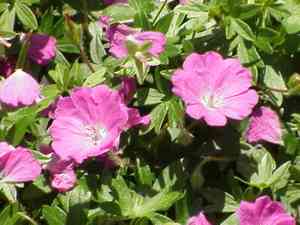
This enduring woody plant, recognized for its thorny stems and diminutive pink blossoms, flourishes with infrequent trimming. For california fagonbush, trimming ought to occur in late winter or early spring to preserve its form and stimulate vigorous development. Eliminate any deceased or compromised wood and reduce dense sections to enhance air movement. Strategic trimming guarantees abundant blooms and deters ailments. Trim judiciously to avert strain, thereby retaining its inherent, untamed look.
What Are the Benefits of Pruning California Fagonbush?
What Are the Benefits of Pruning California Fagonbush?
Trimming california fagonbush promotes robust development and helps maintain its desired form, ensuring a neat look while boosting the plant's overall health and vigor.
What Is the Best Time for Pruning California Fagonbush?
What Is the Best Time for Pruning California Fagonbush?
Late winter and early spring are considered the best times for trimming or cutting california fagonbush. During this period, california fagonbush is typically dormant, meaning its growth has temporarily stopped due to colder temperatures. Pruning in late winter allows gardeners to prepare the california fagonbush before the start of the new growth cycle in spring. It encourages stronger and more vigorous growth as the plant emerges from dormancy. Additionally, this timing minimizes the risk of pruning-induced stress on the california fagonbush and reduces the potential for disease infection through cut sites, as many pathogens are less active in colder weather. Removing dead or diseased wood at this time can also improve air circulation and sunlight penetration as the foliage begins to develop, leading to a healthier plant structure. Furthermore, since california fagonbush tends to flower in the warmer months, pruning in early spring would ensure that the flowering potential is not compromised, as it avoids cutting off buds that develop later in the season.
What Tools Do I Need to Prune California Fagonbush?
Bypass Pruners
These pruners are perfect for making clean cuts on the green, living stems of california fagonbush, which will help encourage healthy regrowth. They function like scissors and are less likely to crush delicate stems.
Pruning Saws
For older or woodier sections of california fagonbush, a pruning saw can be utilized for cuts too large for pruners. This tool allows for precision and prevents tearing, providing a clean cut that is better for the plant's well-being.
Garden Shears
Garden shears are useful for shaping california fagonbush and removing lighter, non-woody overgrowth. They are effective for quickly cutting through softer foliage and thin stems and can help maintain the bush's desired form.
Loppers
Loppers offer longer handles, providing extra reach and leverage for trimming thicker branches of california fagonbush that cannot be managed with bypass pruners. They allow for accurate cuts without straining the gardener's hands.
How to Prune California Fagonbush
Sanitize
Before beginning, ensure all pruning tools are clean and disinfected to prevent spreading diseases to california fagonbush.
Identify
Carefully examine california fagonbush for the specific parts to trim: diseased leaves, withered leaves, dead branches, and diseased branches. Pinpoint which parts need removal.
Cut leaves
Using sharp, sterilized pruning shears, snip off the diseased and withered leaves from california fagonbush. Make cuts at the base of each leaf stem, taking care not to harm new growth or healthy tissue.
Remove branches
Remove dead and diseased branches from california fagonbush by making clean cuts at the point where the branch meets the main stem or a healthy branch. Ensure cuts are angled to prevent water accumulation which can lead to rot.
Dispose
Gather all removed parts of california fagonbush and discard them properly, away from healthy plants to minimize the risk of disease spread.
Common Pruning Mistakes with California Fagonbush
Overpruning
Removing too much of the plant at once can stress california fagonbush, leading to poor growth or reduced vitality.
Pruning without tools
Using dull or unsuitable tools can cause damage to the branches and stems of california fagonbush, risking disease entry.
Random cuts
Haphazard cuts can harm california fagonbush's growth pattern and may result in an unattractive shape.
Neglecting hygiene
Not sanitizing pruning tools before use on california fagonbush can spread plant diseases.
Ignoring structure
Failing to consider the natural growth habit of california fagonbush when pruning may lead to an unbalanced structure and poor flowering.
Neglecting deadwood
Overlooking the removal of dead or damaged wood can hinder california fagonbush's health and appearance.
Common Pruning Tips for California Fagonbush
Sharp tools
Use sharp, clean pruning shears or scissors to make precise cuts, which help california fagonbush heal faster and reduce the risk of diseases.
Pruning objectives
Understand that pruning california fagonbush aims to maintain the desired shape, remove dead material, and encourage flowering.
Cutting angle
Make cuts at a 45-degree angle to prevent water accumulation and promote better healing for california fagonbush.
Branch collar
Cut just above the branch collar without damaging it to encourage proper healing for california fagonbush.
Gradual reduction
Prune california fagonbush moderately over a few seasons rather than drastically at once, to avoid shock.
Cleanliness
Clean and sterilize the cutting tools before and after pruning california fagonbush to prevent the spread of plant pathogens.
Aftercare
Water and fertilize california fagonbush appropriately after pruning to support recovery and robust growth.



