How to Transplant Mexican kidneywood?
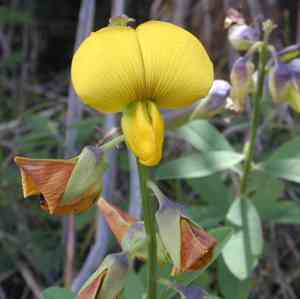
Mexican kidneywood flourishes when relocated during the ideal period of late summer to early autumn, benefiting from suitable soil temperature and humidity. Select a bright, adequately drained spot to guarantee proper rooting. To achieve optimal outcomes, handle the transplant with care to reduce stress on the root system.
What Preparations are Needed Before Transplanting Mexican Kidneywood?
What is the Ideal Time for Transplanting Mexican Kidneywood?
Moving mexican kidneywood during late summer or early autumn is perfect as these seasons provide cooler temperatures and less strain on the plant. This timing allows mexican kidneywood to establish its root system prior to winter dormancy, enhancing its overall health and development. Reduced heat and sufficient moisture during these periods further aid the plant's successful adjustment to its new environment.
How Much Space Should You Leave Between Mexican Kidneywood Plants?
Ensure mexican kidneywood are spaced approximately 10-15 feet (3-4.5 meters) apart to provide ample room for their growth and flourishing.
What is the Best Soil Mix for Mexican Kidneywood Transplanting?
Prepare soil that drains well for mexican kidneywood. A combination of loam and sandy soil works excellently. Incorporate a balanced, slow-release base fertilizer to enrich the soil.
Where Should You Relocate Your Mexican Kidneywood?
Select a sunny spot for transplanting mexican kidneywood. It thrives best in full sunlight, meaning at least 6-8 hours of direct sun daily.
What Equipments Should You Prepare Before Transplantation Mexican Kidneywood?
Gardening Gloves
To safeguard your hands while handling soil and the plant.
Shovel or Spade
For excavating around the root ball and preparing the new planting site.
Gardening Fork
To loosen the soil surrounding the plant for easier removal.
Watering Can or Hose
For moistening the soil before and after the transplant.
Wheelbarrow or Tarp
To move the plant from one location to another.
Garden Pruners
For trimming any damaged roots or branches during the transplanting process.
Compost or Mulch
To enrich the soil and provide a protective layer around the plant post-transplant.
How Do You Remove Mexican Kidneywood from the Soil?
How Do You Remove Mexican Kidneywood from the Soil?
From Ground: First, hydrate the mexican kidneywood plant to moisten the soil. Next, dig a wide trench around the plant using a shovel or spade, ensuring the plant's root ball remains intact. Carefully work the spade beneath the root ball to lift the plant from its original spot.From Pot: Water the mexican kidneywood thoroughly several hours before transplanting. Gently tap the pot's sides to loosen the soil. Hold the plant's base and slowly pull it out, ensuring the root ball stays intact. If needed, run a knife along the pot's edges to help release the roots.From Seedling Tray: Water the seedlings well before transplanting. Use a small tool like a spoon or a seedling dibber to carefully lift each seedling from the tray, preserving as much of the root ball as possible. Handle seedlings by their leaves to avoid harming delicate stems.
Step-by-Step Guide for Transplanting Mexican Kidneywood
Site Preparation
Choose a sunny spot with suitable soil conditions for optimal growth. Dig a hole twice as wide and the same depth as the mexican kidneywood plant's root ball.
Removing the Plant
Carefully extract the mexican kidneywood plant from its original location using the appropriate method described above for ground, pot, or seedling tray.
Placing in New Location
Position the mexican kidneywood plant into the prepared hole, ensuring it sits at the same depth as it was previously. Backfill the hole with soil, gently firming it around the roots to eliminate air pockets.
Watering
Water the plant thoroughly after transplanting to settle the soil and aid root establishment.
Applying Mulch
Spread a layer of compost or mulch around the base of the mexican kidneywood plant to retain moisture and suppress weeds, being careful not to pile it against the stem.
How Do You Care For Mexican Kidneywood After Transplanting?
Watering
Keep the soil around the mexican kidneywood consistently moist, but not waterlogged, for the initial weeks post-transplant to help establish strong roots.
Monitoring
Regularly inspect the mexican kidneywood plant for signs of stress such as wilting or yellowing leaves and adjust watering as needed. Prune any damaged or dead branches to encourage healthy growth.
Mulching
Maintain a 2-3 inch layer of mulch around the plant to conserve soil moisture and regulate temperature, ensuring it doesnât touch the stem.
Protection
Provide support or protection against strong winds if necessary. This can include staking the plant or using a windbreak if your area is prone to high winds.
Troubleshooting Common Issues with Mexican Kidneywood Transplantation.
When is the best time to transplant mexican kidneywood?
Late summer to early fall is ideal for transplanting mexican kidneywood. Temperatures are more moderate then.
How far apart should mexican kidneywood be spaced?
Space mexican kidneywood 10-15 feet (3-4.5 meters) apart to give them ample room to grow.
How should the soil be prepared for transplanting mexican kidneywood?
Ensure well-draining soil mixed with compost. Remove any weeds and loosen the soil deeply.
Do I need to water mexican kidneywood immediately after transplanting?
Yes, water mexican kidneywood thoroughly right after transplanting to help reduce transplant shock.
What size should the root ball be when transplanting mexican kidneywood?
Dig out a root ball that is at least 12 inches (30 cm) wide and deep.
Should mexican kidneywood be pruned before transplanting?
Itâs advisable to prune mexican kidneywood lightly to reduce water loss and stress on the plant.
How to handle mexican kidneywood roots during transplanting?
Handle mexican kidneywood roots gently, ensuring you donât break or damage them during the process.
What temperature range is ideal for transplanting mexican kidneywood?
Aim for temperatures between 65-75°F (18-24°C) when transplanting mexican kidneywood for best results.
What precautions should be taken against pests after transplanting mexican kidneywood?
Inspect mexican kidneywood regularly and use appropriate, non-toxic treatments to prevent pest infestations.
Is mulching necessary after transplanting mexican kidneywood?
Applying mulch around mexican kidneywood can help retain moisture and suppress weeds. Use organic mulch.



