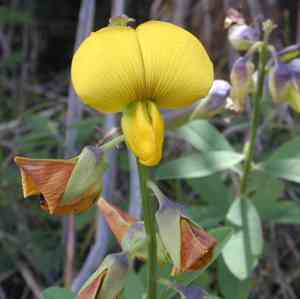
Mexican kidneywood (Eysenhardtia polystachya)
Also known as: Palo Blanco
The kidneywood tree, Eysenhardtia polystachya, is native to Mexico and commonly found along forest edges and near watercourses at elevations ranging from 150 to 3,000 meters.
In This Article
Attributes of Mexican kidneywood
Lifespan
Perennial
Plant Type
Tree
Plant Height
4-8 meters (13-26 feet)
Spread
3-5 meters (10-16 feet)
Leaf Color
Grey-green
Flower Size
1-2 cm
Flower Color
White
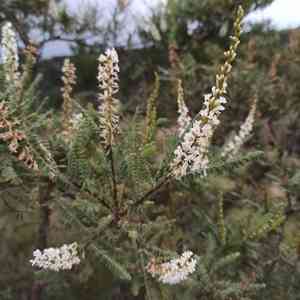
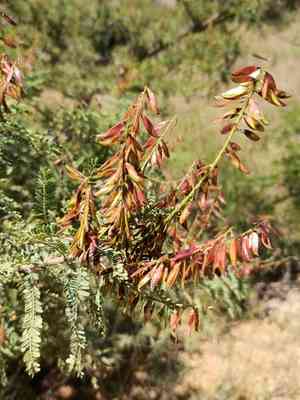
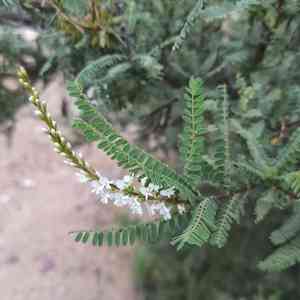
Images of Mexican kidneywood
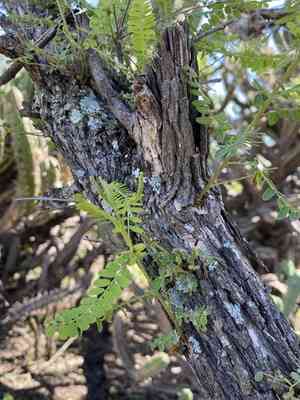
Quickly Identify Mexican kidneywood
1
Identified by its distinct peeling white bark, small grey-green leaves, and clusters of small, fragrant white flowers.
Scientific Classification of Mexican kidneywood
Phylum
Vascular plants
Class
Dicotyledons
Order
Fabales
Family
Legume
Genus
Kidneywoods
Species
Mexican kidneywood
Planting and Growing of Mexican kidneywood
Care Difficulty
Moderate
Watering Schedule
Every 2 days
Sunlight Requirements
Full sun
Sunshine Duration
6-12 hours
Ideal Temperature
60-80℉
Soil Type
Potting Mix, Peat Mix
Soil pH
6.5-7.5
Fertilizer Type
Balanced
Pruning Season
Spring, Summer
Pruning Area
Branches, Leaves
Pruning Frequency
2 times a year
Repotting Season
Spring
Pot Type
Plastic, Ceramic
 How to Water Mexican kidneywood?
Eysenhardtia polystachya prefers moderate watering. With each session, aim to provide about 500 milliliters of water per plant. The principle is to keep the soil moist but not soggy, as this mimics the plant's natural habitat. Ensure the water permeates through the soil, reaching the root zone without causing waterlogging.
What are the symptoms of an underwatered Mexican kidneywood?
›
What should I do if my Mexican kidneywood is not getting enough water?
›
What are the symptoms of an overwatered Mexican kidneywood?
›
How to save an overwatered Mexican kidneywood?
›
 What Are the Sunlight Requirements for Mexican kidneywood?
This plant does well in areas with full to partial sun exposure. Ideal light conditions ensure rapid growth and vibrant flowers, enhancing the plant's natural beauty and resilience to environmental challenges.
What is the best sunlight exposure?
›
How can I optimize sunlight exposure?
›
What are the benefits of ideal sunlight?
›
 What Is the Ideal Temperature Range for Mexican kidneywood?
Eysenhardtia polystachya thrives best within the temperature range of 60-80°F. Maintaining this temperature is crucial for optimal plant health, promoting active growth and blooming. Within this range, metabolic processes function efficiently, ensuring proper nutrient uptake and photosynthesis.
 What Soil is Best for Mexican kidneywood?
Eysenhardtia polystachya thrives best in well-draining soils, which prevents waterlogging and root rot. Opting for soils like sandy loam ensures that excess water flows through easily, allowing roots to access the necessary oxygen. This plant prefers soils with moderate fertility, meaning they should have adequate nutrients without being overly rich. Such soils do not overwhelm the plant with excessive nutrients that could slow growth or affect flowering. It can tolerate slightly alkaline soils, which replicates its native habitat conditions. Ensuring a pH closer to the higher end of its acceptance range aids in nutrient availability and optimal uptake.
 How to Fertilize Mexican kidneywood?
For Eysenhardtia polystachya, apply liquid fertilizer at half strength to avoid over-nourishment. Use 10-15 mL per liter of water, ensuring even coverage around the plant's base to support healthy growth.
 How to Prune Mexican kidneywood?
Begin by removing any dead, diseased, or damaged branches. This clears the plant of unwanted material and opens up space for healthier growth. Trim back overgrown branches to shape the plant while maintaining its natural form. Avoid cutting more than a third of the plant at once to prevent shock. Thin out crowded branches to allow better air circulation, which reduces the risk of fungal diseases and improves light penetration.
More About Pruning Techniques→
 How to Propagate Mexican kidneywood plant?
1
Prepare a seed tray with a quality seed-starting mix. Sow seeds lightly on the surface and cover with a thin layer of soil. Keep the tray in a warm, well-lit area until germination.
2
Select healthy branches and cut below a node. Trim the cutting to remove excess leaves, leaving a few at the top. Optionally, dip the cutting end in rooting hormone.
3
Insert the cuttings into a well-drained potting mix. Ensure they are upright and sufficiently spaced. Water gently to settle the soil around them without over-saturating.
 How to Repot Mexican kidneywood plant?
1
Repot Eysenhardtia polystachya when its roots start emerging from the drainage holes or if the growth seems stunted. It's best to assess the plant's condition in early spring or summer, ensuring it's healthy and actively growing.
2
Choose a pot that is only slightly larger than the previous one. Ensure it has sufficient drainage holes to prevent waterlogging. A pot that breathes well will help the roots expand gently while preventing root rot, crucial for this plant's health.
3
Opt for a well-draining loamy soil, as it retains enough moisture while preventing water stagnation. Such soil is beneficial due to its nutrient retention capability, ensuring that the plant's roots are well-nourished yet not suffocatingly moist.
Learn More About Mexican kidneywood Diseases
Anthracnose
Bacterial Leaf Spot
Bacterial Wilt
Crown Gall
Cyst Nematode
Damping-off
Downy Mildew
Drought Stress
Fusarium Wilt
Gray Mold
Leaf Spot
Mosaic
Nutrient Deficiency
Nutrient Toxicity
Powdery Mildew
Root Rot
Root-knot Nematode
Rusts
Sooty Mold
Spider Mites
Temperature Stress
Thrips Damage
White Mold



