How to Prune Mexican kidneywood?
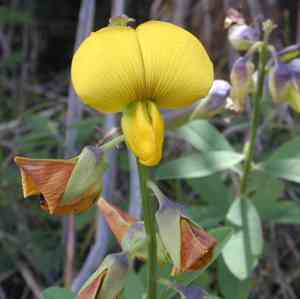
Originating from Mexico, mexican kidneywood is recognized for its aromatic blossoms and therapeutic attributes. Trim mexican kidneywood during late winter or early spring to sculpt its form and eliminate deceased or frail limbs, fostering more vigorous development. Trimming enhances air movement and light exposure, encouraging abundant flowering. Refrain from extensive summer pruning to avert strain and guarantee peak blooming in the subsequent period. Consistent trimming preserves an appealing structure and facilitates strong flowering and leaf production.
What Are the Advantages of Trimming Mexican Kidneywood?
What Are the Advantages of Trimming Mexican Kidneywood?
Mexican kidneywood benefits from trimming by promoting vigorous development and maintaining its form. Pruning stimulates robust growth, enhances blooming, manages size, and boosts resistance to pests and illnesses.
When Is the Optimal Time for Pruning Mexican Kidneywood?
When Is the Optimal Time for Pruning Mexican Kidneywood?
Early spring and late winter are ideal periods for pruning mexican kidneywood because during these times, the plant is typically dormant or just commencing its new growth cycle. Pruning at this stage allows the plant to recover quickly and direct its energy towards healthy new growth, rather than mending cuts. Additionally, pruning before the active growing season helps improve the plant's flowering and fruiting potential, ensuring a strong and vibrant display throughout the year.
What Equipment Do I Need to Prune Mexican Kidneywood?
Bypass Pruners
Bypass pruners are crucial for making clean cuts on live branches and stems up to 1/2-inch in diameter. Mexican kidneywood often has finer branches which can be easily managed with these pruners.
Loppers
Loppers extend reach and leverage to cut thicker branches, up to 1-1/2 inches in diameter. This is useful for managing the denser or older parts of mexican kidneywood.
Pruning Saw
A pruning saw is necessary for cutting branches thicker than 1-1/2 inches. Mexican kidneywood can develop some thicker branches that require a saw for precise cuts.
Pole Pruner
Pole pruners help reach higher branches without needing a ladder, ensuring safe and efficient pruning of taller sections of mexican kidneywood.
Hedge Shears
Hedge shears are useful for shaping and maintaining the overall appearance of mexican kidneywood, particularly if grown as a hedge.
How to Prune Mexican Kidneywood
Inspect
Examine mexican kidneywood thoroughly to identify dead and diseased branches. Look for signs such as discoloration, decay, or absence of foliage to determine which parts need pruning.
Disinfect
Clean your pruning tools with alcohol or a bleach solution before starting to prevent the spread of disease. This is crucial after each cut, especially when removing diseased branches.
Remove dead branches
Start by cutting away all dead branches at their base or nearest healthy node. Use sharp, clean pruning shears to make precise cuts, avoiding damage to live tissue.
Remove diseased branches
Carefully cut out diseased branches, ensuring to remove all affected tissue. Cut at least 6 to 12 inches below the visible signs of disease to ensure complete removal.
Clean up
After pruning, collect and dispose of all removed branches in a sealed bag. Do not compost these parts to avoid spreading any potential diseases.
Common Pruning Errors with Mexican Kidneywood
Over-pruning
Excessive removal of branches can lead to stress and poor growth. It's crucial to avoid cutting back too much foliage and only prune the necessary parts.
Improper cuts
Making uneven or ragged cuts can damage the plant and make it susceptible to diseases. Always use sharp, clean tools to ensure clean cuts.
Wrong timing
Pruning at the wrong time, like during extreme heat or active growth phases, can harm mexican kidneywood. Timing affects the plant's health and ability to recover.
Ignoring plant structure
Not paying attention to the natural shape and structure of mexican kidneywood can lead to unsightly growth and weakened branches. Always consider the plant's natural habit when pruning.
Common Pruning Advice for Mexican Kidneywood
Minimal pruning
Remove only the dead, diseased, or damaged branches to maintain the plant's health and natural shape. This prevents over-pruning and keeps the plant stress-free.
Clean tools
Always use sterilized and sharp tools to make clean cuts, reducing the risk of disease and promoting quick healing in mexican kidneywood.
Thinning for airflow
Prune selectively to improve airflow through the canopy. This reduces moisture build-up and minimizes fungal problems, ensuring better plant health.
Promoting strong structure
Focus on removing crossing or rubbing branches, and trim to maintain an open center. This promotes a strong and aesthetically pleasing structure for mexican kidneywood.



