How to Transplant Grass-leaved goldenrod?
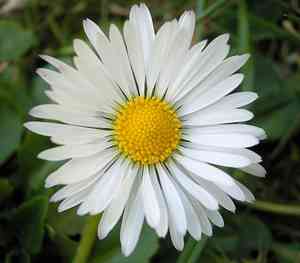
It is most favorable to establish Solidago graminifolia in new locations during the peak of mid to late spring, a period of robust development. Select a bright spot featuring soil that drains effectively. As a helpful tip, handle Solidago graminifolia gently during transplantation to ensure its successful establishment.
Essential Preparations Before Relocating Grass-leaved Goldenrod
Optimal Timing for Grass-leaved Goldenrod Relocation?
The best period for moving grass-leaved goldenrod is during early to mid-spring. This timeframe provides mild temperatures and ample moisture, which are ideal for root establishment. Selecting this season gives grass-leaved goldenrod the highest chance to acclimate to its new spot before summer's heat, promoting strong and healthy development. Gentle spring conditions reduce stress on grass-leaved goldenrod, minimizing shock and encouraging faster recovery after the move.
Recommended Spacing Between Grass-leaved Goldenrod Plants?
To ensure grass-leaved goldenrod has ample room to grow and spread, aim to plant each specimen approximately 2-3 feet (0.6-0.9 meters) apart. This spacing promotes good air circulation and lowers the risk of disease, fostering a thriving environment for your plants!
Ideal Soil Blend for Grass-leaved Goldenrod Transplanting?
For grass-leaved goldenrod, well-draining soil is vital. Consider preparing a loamy or sandy base as these offer excellent drainage. A slow-release fertilizer can be incorporated into the soil prior to planting. Always remember that excessive feeding can be more detrimental than insufficient feeding.
Optimal Location for Your Grass-leaved Goldenrod?
Sunlight is crucial for grass-leaved goldenrod. Experts suggest a site that receives full sun, though it can endure partial shade. Finding a garden spot where it gets at least 6 hours of direct sunlight daily would be perfect.
Tools Required Before Moving Grass-leaved Goldenrod?
Gardening Gloves
To protect your hands while handling the plant and working with soil.
Trowel or Shovel
For excavating at both the original and new sites.
Pruning Shears
To trim any unhealthy portions of the grass-leaved goldenrod plant before relocation.
Garden Hose or Water can
To adequately hydrate the plant after transplanting.
Wheelbarrow
To transport the root ball of the grass-leaved goldenrod from its initial location to its new position.
How to Extract Grass-leaved Goldenrod from the Ground?
How to Extract Grass-leaved Goldenrod from the Ground?
From Ground: Begin by watering the area around the grass-leaved goldenrod to soften the soil. Next, use a shovel or trowel to dig a wide circle around the plant, being careful not to harm the root system. Gradually work the shovel beneath the root ball, then gently lift the plant from the ground.From Pot: First, water the grass-leaved goldenrod thoroughly to moisten the root ball. Then, tilt the pot sideways and gently jiggle it until the plant loosens. Be sure to support the plant's base during this process to prevent damage to the plant or its root system.From Seedling Tray: For seedlings, simply water the grass-leaved goldenrod and gently grasp the seedling by its leaves, never the stem. Carefully coax the seedling out of its container, taking care not to damage the delicate roots.
Step-by-Step Guide for Relocating Grass-leaved Goldenrod
Preparation
Prepare the new site by digging a hole that is roughly twice the width of the grass-leaved goldenrod's root ball and the same depth.
Placement
Position the grass-leaved goldenrod into the hole, ensuring the top of the root ball is level with the surrounding ground surface.
Backfill
Add soil back around the root ball, gently patting it down to eliminate air pockets.
Watering
Water thoroughly to settle the soil around the roots.
Trimming
Using pruning shears, remove any damaged or excessively long branches to invigorate the grass-leaved goldenrod's growth.
Post-Transplant Care for Grass-leaved Goldenrod
Watering
Ensure you water your grass-leaved goldenrod regularly, avoiding overwatering. The soil should remain moist but not waterlogged.
Pruning
Consistent trimming encourages the plant to become bushier, improving the health and appearance of your grass-leaved goldenrod. Monitor for any brown or yellow leaves and prune them as needed.
Inspection
Regularly check your grass-leaved goldenrod for any indications of disease or pests. Early detection and treatment can ensure the healthy development of your grass-leaved goldenrod.
Addressing Common Issues with Grass-leaved Goldenrod Relocation.
When is the best time to transplant grass-leaved goldenrod?
The most ideal time to transplant grass-leaved goldenrod is during its dormant phase, typically in mid to late summer (S2-S3).
What is the appropriate space to maintain while transplanting grass-leaved goldenrod?
The recommended spacing between grass-leaved goldenrod plants is approximately 2-3 feet (60-90 cm). This helps them grow healthier and bloom profusely.
What happens if the grass-leaved goldenrod doesn't seem to grow after transplanting?
Grass-leaved goldenrod may require time to adjust to its new environment. Ensure it receives adequate sunlight, water, and that the soil conditions are optimal.
Why are the leaves of grass-leaved goldenrod turning yellow after transplanting?
Yellow leaves can indicate overwatering or a lack of nutrients in the soil. Check for proper drainage and consider adding a balanced fertilizer.
How deep should the hole be for transplanting grass-leaved goldenrod?
The hole should be deep enough to accommodate the root ball of grass-leaved goldenrod. Typically, a depth of about 10 inches (25 cm) is suitable.
Can grass-leaved goldenrod cope well with transplantations?
Yes, grass-leaved goldenrod is a resilient species that can adapt to new settings. However, providing proper care is crucial for a successful transplant.
Is it necessary to prune grass-leaved goldenrod before transplanting?
Pruning isn't strictly essential but can help grass-leaved goldenrod direct its energy towards root development. Remove any dead or weak stems to encourage healthier growth.
Why is my transplanted grass-leaved goldenrod wilting?
Wilting after transplanting can signal transplant shock. Insufficient water, sudden changes in light conditions, or root damage during the move could be potential causes.
What soil type is best suitable for transplanting grass-leaved goldenrod?
Grass-leaved goldenrod thrives in well-drained soil with moderate fertility. A soil pH between 5.0 and 8.0 is ideal for this perennial plant.
Can I transplant grass-leaved goldenrod indoors?
Grass-leaved goldenrod is best suited for outdoor gardens. Still, with sufficient sunlight (at least 6 hours/day) and proper care, it can be transplanted indoors.



