How to Propagate Grass-leaved goldenrod?
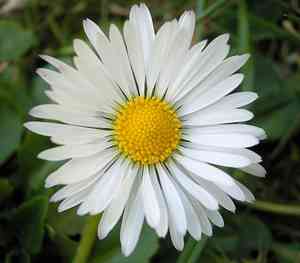
The most effective propagation for Grass-leaved goldenrod occurs in spring and summer through cuttings, which is the favored technique. This propagation process is moderately straightforward, and the emergence of new foliage signifies successful root development. Maintaining appropriate moisture levels and sufficient sunlight is essential for favorable outcomes.
Optimal Time for Propagating Grass-leaved Goldenrod
Propagation Method
Cutting
Propagation Period
Spring, Summer
Tools Required for Grass-leaved Goldenrod Propagation
Sharp Pruning Shears
Sharp pruning shears are crucial for obtaining clean cuts from grass-leaved goldenrod, minimizing harm to the parent plant and boosting the likelihood of successful rooting. The precise blades ensure a neat cut, vital for the health and reduced stress of the cuttings.
Rooting Hormone
Rooting hormone encourages root development on grass-leaved goldenrod cuttings when applied to the severed end. This product enhances the success rate of cuttings evolving into robust, viable plants by stimulating root formation.
Sterile Potting Mix
A sterile potting mix offers a germ-free environment for grass-leaved goldenrod cuttings to establish roots. This lowers the risk of illness, which could otherwise jeopardize the well-being of the propagating cuttings.
Plant Pots or Trays
Plant pots or trays serve to contain the sterile potting mix and support grass-leaved goldenrod cuttings, ensuring they are positioned at the ideal depth and orientation for rooting.
Plastic Bags or Propagation Domes
Plastic bags or propagation domes create a humid atmosphere around grass-leaved goldenrod cuttings, which is essential for preventing them from drying out before they can develop roots.
Misting Bottle
A misting bottle is used to gently hydrate grass-leaved goldenrod cuttings, maintaining the necessary moisture levels without disturbing delicate new roots with heavy watering.
How to Propagate Grass-leaved Goldenrod?
Propagation Method
Cutting
Difficulty Level
Easy
Caring for Your Newly Propagated Grass-leaved Goldenrod
Caring for Your Newly Propagated Grass-leaved Goldenrod
Post-propagation, gradually expose the grass-leaved goldenrod to increased direct sunlight to acclimate the plant. Water consistently, ensuring adequate drainage to prevent root rot. Lightly fertilize with a balanced slow-release fertilizer to support growth. As grass-leaved goldenrod is a native species, it is adapted to local conditions and typically requires minimal care once established. Plant grass-leaved goldenrod in the garden during spring or fall, spacing them approximately 18-24 inches apart in an area with full sun to partial shade and well-drained soil. Water the transplanted grass-leaved goldenrod deeply to encourage root expansion into the surrounding soil. Apply mulch around the base to retain moisture and reduce weed competition. Monitor for pests and diseases, though grass-leaved goldenrod is generally resistant to both. Prune or deadhead as needed to shape the plant and promote bushier growth or more blooms.
Common Errors to Avoid When Propagating Grass-leaved Goldenrod
Overwatering
Excessive water can lead to root rot in grass-leaved goldenrod, which thrives in well-draining soil. This error can cause the plant's roots to become waterlogged, depriving them of oxygen and increasing susceptibility to diseases.
Ignoring rhizome space
Grass-leaved goldenrod propagates via rhizomes and needs ample room to spread. Gardeners who fail to provide sufficient space can impede the plant's growth and propagation capabilities.
Deep planting of cuttings
When propagating grass-leaved goldenrod through cuttings, planting them too deeply can hinder adequate air exchange and may cause decay or reduce rooting potential.
Neglecting weeding
Grass-leaved goldenrod is competitive, but its establishment can be compromised if its area is not kept free from weeds. Weeds can outcompete young plants for nutrients and light.
Overcrowding seedlings
Sowing too many seeds in a confined area can result in overcrowding, leading to competition for resources and poor air circulation, making grass-leaved goldenrod seedlings more vulnerable to pests and diseases.
Tips For Propagating Grass-leaved Goldenrod
Well-draining substrate
Utilize a well-draining substrate to prevent waterlogging. Grass-leaved goldenrod's roots prefer to be moist but not saturated to maintain healthy growth and facilitate successful propagation.
Space management
Allow ample room for rhizome growth when planting grass-leaved goldenrod to ensure healthy spreading. Proper spacing can prevent competition and promote vigorous growth.
Proper depth for cuttings
Plant cuttings at the correct depth, ensuring the bottom third is in the substrate, which supports optimal rooting for grass-leaved goldenrod.
Regular weeding
Maintain a weed-free environment to reduce competition for resources. This practice allows grass-leaved goldenrod to establish itself firmly and propagate more effectively.
Adequate seedling spacing
Space seeds appropriately to prevent overcrowding. This gives grass-leaved goldenrod seedlings sufficient access to light and nutrients, increasing their chances of successful maturation and propagation.



