How to Transplant Catchfly prairie gentian?
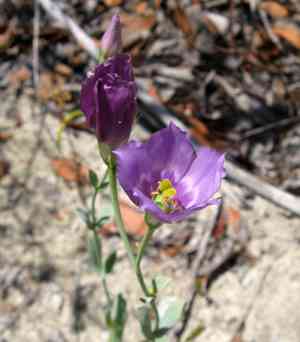
The most suitable period for relocating catchfly prairie gentian is once temperatures become consistently mild, following the final frostâgenerally from late spring through early summer. Select a bright spot featuring soil that drains effectively. Careful manipulation is crucial to prevent harm to the roots.
What Preparations are Needed Before Transplanting Catchfly Prairie Gentian?
What is the Ideal Time for Transplanting Catchfly Prairie Gentian?
The optimal period for relocating your catchfly prairie gentian to your garden is from late spring into the beginning of summer. This timeframe, characterized by mild temperatures and extended daylight, is perfect for catchfly prairie gentian to develop its root system and thrive as the growing season commences. Planting during this window helps minimize transplant shock, allowing catchfly prairie gentian ample time to adjust before the peak summer heat. Your catchfly prairie gentian will flourish with robust growth and vitality due to this careful timing.
How Much Space Should You Leave Between Catchfly Prairie Gentian Plants?
For catchfly prairie gentian, ensure each plant is spaced approximately 1-2 feet (30-60 cm) apart. This spacing allows each plant to grow vigorously, promoting optimal health and development.
What is the Best Soil Mix for Catchfly Prairie Gentian Transplanting?
Utilizing well-drained soil is crucial for catchfly prairie gentian. For peak growth, prepare your planting area by incorporating a generous amount of all-purpose fertilizer.
Where Should You Relocate Your Catchfly Prairie Gentian?
Remember, catchfly prairie gentian thrives in sunlight! Therefore, choose a garden spot that receives full sun exposure for most of the day. It's a plant that loves the sun!
What Equipments Should You Prepare Before Transplantation Catchfly Prairie Gentian?
Gardening Gloves
To safeguard your hands while handling soil and catchfly prairie gentian.
Shovel or Spade
To excavate the plant from its original spot and create the new hole in the ground.
Gardening Trowel
For scooping earth and fine-tuning around the root ball.
Watering Can or Garden Hose
To hydrate the plant both before and after its relocation.
Wheelbarrow or Plant Trolley
To transport the plant (if large) from its initial position to the new planting site without damage.
Mulch
To aid in retaining soil moisture and suppressing weeds post-transplant.
How Do You Remove Catchfly Prairie Gentian from the Soil?
How Do You Remove Catchfly Prairie Gentian from the Soil?
From Ground: Begin by watering the catchfly prairie gentian to moisten the soil for easier extraction. Using a shovel or spade, dig a wide circle around the plant, ensuring sufficient distance from the main stem to prevent root damage. The goal is to preserve the root ball. Gently work the spade beneath the root ball and carefully lift it from the ground.From a Pot: First, water the catchfly prairie gentian to hydrate the soil. This minimizes stress on the plant during transplanting. Tilt the pot sideways and carefully slide the plant out, ensuring the root ball remains intact. If the plant is stuck, gently tap the sides and bottom of the pot to loosen it.From a Seedling Tray: Water the seedlings, then gently loosen the soil around the individual catchfly prairie gentian plant. Carefully lift the seedling by holding a leaf, not the stem, and aim to retain as much of the root system as possible.
Step-by-Step Guide for Transplanting Catchfly Prairie Gentian
Root Ball Prepping
Carefully inspect the root ball of your catchfly prairie gentian plant. Check for any dead or excessively long roots. Trim such roots, if present, as they often struggle to establish in a new location.
Hole Preparation
Dig a hole in the chosen location that is approximately twice as wide and as deep as the catchfly prairie gentian plant's root ball. Its dimensions should allow ample space for the roots to spread and grow.
Placement
Position the plant into the hole. The top of the root ball should be level with or slightly above the surrounding soil surface.
Backfilling
Carefully refill the hole with the excavated soil, gently firming it around the base of the catchfly prairie gentian plant with your hands.
Watering
Gently water the plant after transplanting. This helps the soil settle around the plant's roots, aiding establishment.
Mulching
Spread a layer of mulch about 2-3 inches thick around the plant, being careful not to pile it against the stem.
How Do You Care For Catchfly Prairie Gentian After Transplanting?
Watering
Keep the soil consistently moist, but avoid over-saturation to prevent root rot. The catchfly prairie gentian plant will require ample water while adapting to its new environment.
Weed Control
Regularly remove weeds to prevent competition for nutrients or water. The mulch should help suppress weeds; however, manual removal of any persistent weeds may be necessary.
Pest and Disease Watch
Monitor the catchfly prairie gentian plant for any pests or diseases. It can be more vulnerable after the stress of transplanting. If you observe anything unusual, consult a local nursery or extension service.
Patience
It may take time for your catchfly prairie gentian plant to fully recover from transplantation and exhibit new growth. Be patient and provide consistent care.
Troubleshooting Common Issues with Catchfly Prairie Gentian Transplantation.
What is the ideal period for transplanting catchfly prairie gentian?
The optimal time for transplanting catchfly prairie gentian is during the later stages of its growth cycle, specifically between stages 3 and 4.
What is the best spacing for catchfly prairie gentian when transplanting?
You should aim for a spacing of anywhere between 1 to 2 feet (30.48 to 60.96 cm) to ensure healthy growth.
How deep should the holes be for transplanting catchfly prairie gentian?
The hole should be twice the size of the root ball to ensure the roots have space to spread and establish.
How much water does catchfly prairie gentian need after transplanting?
Immediately after transplanting, water catchfly prairie gentian thoroughly. Afterward, maintain consistently moist soil without overwatering.
What can I do if my catchfly prairie gentian wilts after transplanting?
Wilting is a common response to transplant shock. Keep the soil moist, provide adequate sunlight, and the plant should recover with time.
Should catchfly prairie gentian be pruned before transplanting?
Yes, pruning catchfly prairie gentian before transplanting can reduce transplant shock by reducing leaf surface area and hence water loss.
What type of soil is ideal for catchfly prairie gentian when transplanting?
Catchfly prairie gentian prefers well-drained soil rich in organic matter. However, it can tolerate a variety of soil types.
Does catchfly prairie gentian require sun or shade after transplanting?
Catchfly prairie gentian prefers full sun to partial shade, but too much heat can damage the plant. Select a location accordingly during transplanting.
Is it normal for catchfly prairie gentian to drop leaves after transplanting?
Leaf-drop can occur due to transplant shock. Keep the root zone moist, provide balanced sunlight and the plant should regain health.
Is fertilizing necessary after transplanting catchfly prairie gentian?
Yes, providing a slow-release, balanced fertilizer can help establish catchfly prairie gentian after transplanting. But avoid heavy feeding as it might cause harm.



