How to Prune Catchfly prairie gentian?
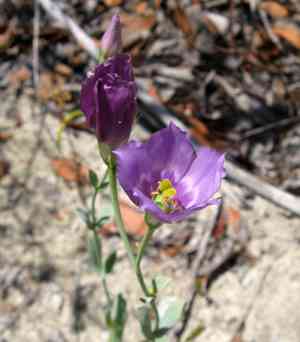
Valued for its striking, bell-shaped blossoms and vigorous development, catchfly prairie gentian thrives with proper trimming. Essential methods include eliminating spent or withered flowers (deadheading), shortening old stalks to foster a fuller shape, and reducing crowded foliage to improve air movement. Trim catchfly prairie gentian in spring, summer, or autumn, coinciding with its periods of active development. Trimming not only encourages fresh blooms but also deters ailments by enhancing ventilation. Consistent deadheading prolongs flowering durations, leading to a more attractive presentation.
What Are the Benefits of Pruning Catchfly Prairie Gentian?
What Are the Benefits of Pruning Catchfly Prairie Gentian?
Trimming catchfly prairie gentian promotes robust development and maintains its form. By selectively cutting back, energy is redirected to foster denser foliage and potentially more blossoms, while also keeping the plant well-proportioned and visually appealing.
What Is the Best Time for Pruning Catchfly Prairie Gentian?
What Is the Best Time for Pruning Catchfly Prairie Gentian?
Pruning in late spring coincides with catchfly prairie gentian's post-flowering period, aiding in the removal of spent blooms and encouraging a second flush of flowers. Trimming at this time ensures the plant's energy is directed towards new growth rather than seed production. Early fall pruning is ideal for shaping catchfly prairie gentian and removing any elongated or overgrown stems that developed over the summer. This timing is crucial to prevent new growth that may not harden before winter frosts, ensuring plant vigor and bloom performance in the subsequent growing season.
What Tools Do I Need to Prune Catchfly Prairie Gentian?
Bypass Pruners
Perfect for making clean cuts on catchfly prairie gentian's soft, green stems, bypass pruners cause less damage than anvil-style pruners.
Angled Snips
Catchfly prairie gentian may require precision for deadheading or shaping, which can be achieved with angled snips, especially within dense foliage.
Micro-Tip Blade Pruners
For delicate tasks like thinning or precise pruning of catchfly prairie gentian, Micro-Tip blade pruners are advantageous for avoiding harm to adjacent stems.
Gloves with Dexterity
Wearing gloves that offer flexibility can safeguard the gardener's hands while allowing for careful handling of catchfly prairie gentian's stems.
Sanitizing Agent
To prevent the spread of diseases during the pruning of catchfly prairie gentian, sanitizing agents should be used to clean tools before and after use.
How to Prune Catchfly Prairie Gentian
Deadhead
Identify dead or fading flowers on catchfly prairie gentian and cut them off close to the base of the bloom using clean, sharp scissors or pruning shears. This encourages new blooms and prevents self-seeding if not desired.
Remove Leaves
Examine catchfly prairie gentian for any wilted, discolored, or damaged leaves. Gently remove these leaves by either pinching them off with your fingers or using pruning shears, making the cut near the base of the leaf stem.
Shape Plant
Slightly shape catchfly prairie gentian to maintain an attractive form by selectively cutting back any leggy or overgrown stems. Make cuts just above a leaf node or branching point to promote bushier growth.
Cleanup
Gather and dispose of all removed dead flowers and wilted leaves to prevent pests and disease. Keeping catchfly prairie gentian's surrounding area clean is essential for its health.
Sanitize Tools
Sanitize your pruning tools after finishing by wiping them with a disinfectant such as rubbing alcohol or a bleach solution to prevent the spread of pathogens to catchfly prairie gentian or other plants.
Common Pruning Mistakes with Catchfly Prairie Gentian
Overpruning
Removing too much growth can stress catchfly prairie gentian, leading to poor plant health and fewer flowers. It's crucial to prune no more than one-third of the plant's growth to maintain its vitality.
Improper Cuts
Making cuts too far from a node or bud, or leaving a stub, can cause catchfly prairie gentian to develop weak new growth or invite disease. It's important to make clean cuts close to a node without damaging it.
Neglecting Tools
Using dull or dirty tools can result in jagged cuts and introduce pathogens. Ensure that pruning tools are sharp and disinfected before using them on catchfly prairie gentian.
Random Pruning
Pruning without a clear objective can lead to unbalanced growth and reduced flowering. Gardeners should have a goal, such as shaping the plant or removing dead material.
Common Pruning Tips for Catchfly Prairie Gentian
Plant Structure
Understand the growth habit of catchfly prairie gentian to determine the best areas to prune. Focus on removing dead or weak stems to promote a strong, upright structure conducive to healthy growth and blooming.
Hygiene
Always use clean, sharp pruning shears or scissors. Sterilize the tools before and after pruning catchfly prairie gentian to prevent disease transmission.
Technique
Make angled cuts above a node or bud to encourage catchfly prairie gentian to grow in a desired direction. This will also help prevent water accumulation on the cut surface, which can lead to rot.
Thinning
Thin out crowded areas to improve air circulation, which reduces the risk of fungal infections in catchfly prairie gentian. This selective removal of stems will also allow more light to reach the interior of the plant, promoting robust growth.



