How to Transplant Hawk's eye?
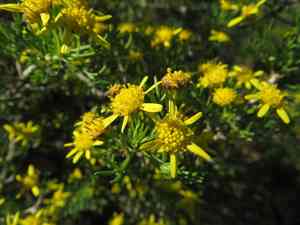
For hawk's eye, the ideal window for relocation is from the beginning to the end of spring or the middle to the end of autumn, since these intervals reduce strain on the plant. Select a bright, adequately drained spot to encourage peak development. Crucially, refrain from moving the plant when temperatures are at their extremes.
What Preparations are Needed Before Transplanting Hawk's Eye?
What is the Ideal Time for Transplanting Hawk's Eye?
Moving hawk's eye in early to late spring or mid to late fall allows the plant to establish roots prior to extreme temperatures. These periods offer mild weather, promoting root development and lessening transplant shock. Early establishment supports vigorous growth and blooming, maximizing the plant's perennial benefits.
How Much Space Should You Leave Between Hawk's Eye Plants?
When relocating hawk's eye, ensure a spacing of approximately 24-36 inches (60-90 cm) between them. This distance provides ample room for individual plant growth and guarantees proper air circulation, which aids in disease prevention.
What is the Best Soil Mix for Hawk's Eye Transplanting?
For moving hawk's eye, utilize well-draining soil enriched with compost. These plants flourish in soil that isn't overly dense. Incorporate a balanced, slow-release fertilizer to give your plants a strong start post-transplant.
Where Should You Relocate Your Hawk's Eye?
Select a spot for hawk's eye where they will receive full sun, ideally a minimum of 6-8 hours of direct sunlight daily. This ensures they will thrive and produce vibrant flowers.
What Equipments Should You Prepare Before Transplantation Hawk's Eye?
Gardening Gloves
To safeguard your hands while handling soil and plants.
Hand Trowel
For digging small holes and loosening soil around the plant.
Shovel or Spade
To excavate the new planting site and create a channel for removing the plant from its original spot.
Watering Can or Hose
To hydrate the plant before and after its relocation.
Pruners
For trimming dead or damaged roots and foliage.
Wheelbarrow
Optional, for moving the plant if it's large or if the distance is significant.
How Do You Remove Hawk's Eye from the Soil?
How Do You Remove Hawk's Eye from the Soil?
From Ground: Hydrate the hawk's eye to moisten the soil. Use a shovel or spade to dig a wide trench around the plant, ensuring the root ball remains intact. Carefully lift the plant by working the spade beneath the root ball.From Pot: Water the hawk's eye thoroughly to facilitate easier root ball removal. Gently tap the pot's sides to loosen the soil, then tilt the pot and slide the plant out, supporting the root ball.From Seedling Tray: Water the seedlings and gently press the cell bottoms to release the hawk's eye. Handle seedlings by their leaves to avoid harming delicate stems.
Step-by-Step Guide for Transplanting Hawk's Eye
New Planting Hole
Excavate a hole in the new location that is twice the width and depth of the hawk's eye's root ball.
Root Preparation
If the roots are encircling the root ball, gently spread them outwards. Trim any damaged or excessively long roots with pruners.
Placing the Plant
Position the hawk's eye in the center of the new hole, ensuring the top of the root ball is flush with or slightly above the surrounding soil.
Backfilling
Refill the hole with soil, pressing gently around the root ball to eliminate air pockets.
Watering
Water the hawk's eye deeply to help settle the soil around the roots.
Mulching
Apply a layer of mulch around the plant's base to retain moisture and suppress weeds, keeping it a few inches away from the stem.
How Do You Care For Hawk's Eye After Transplanting?
Watering
Keep the soil around the hawk's eye consistently moist, but not waterlogged, for the initial weeks after transplanting to aid in strong root establishment.
Monitoring
Observe the hawk's eye for indications of transplant shock, such as wilting or yellowing leaves, and provide additional care if necessary.
Pruning
Remove any dead or damaged leaves or stems to encourage new growth.
Support
If the hawk's eye is tall or slender, consider staking it to provide support as it re-establishes in its new location.
Troubleshooting Common Issues with Hawk's Eye Transplantation.
When is the best season to transplant hawk's eye?
The optimal time is from early to late spring or from mid to late fall.
How far apart should I space hawk's eye when transplanting?
Space hawk's eye 24-36 inches (60-90 cm) apart for optimal growth and air circulation.
How should I prepare the soil for transplanting hawk's eye?
Ensure well-drained soil enriched with compost or organic matter to support healthy roots.
How deep should the hole be when transplanting hawk's eye?
Dig a hole twice the width and equal the depth of hawk's eye's root ball.
Should I water hawk's eye immediately after transplanting?
Yes, thoroughly water hawk's eye to settle the soil and minimize transplant shock.
What is the ideal sunlight exposure for hawk's eye after transplanting?
Plant hawk's eye in a location with full sun for at least 6 hours per day.
How do I handle root-bound hawk's eye before transplanting?
Gently loosen and trim the roots to promote new growth when hawk's eye is root-bound.
What should I do if hawk's eye appears wilted after transplanting?
Ensure adequate watering and shade the plant during the hottest part of the day.
Can I use fertilizer immediately after transplanting hawk's eye?
Wait a few weeks before fertilizing to avoid burning hawk's eye's roots.
How can I reduce transplant shock for hawk's eye?
Transplant on a cool day, keep the root ball intact, and water thoroughly.



