How to Prune Hawk's eye?
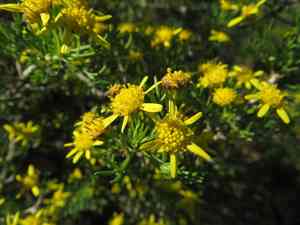
Hawk's eye is recognized for its decorative qualities and vibrant yellow blossoms. The most effective time for trimming is in early spring, coinciding with the plant's developmental phase. Essential methods involve excising deceased or injured stalks, shortening excessively long branches, and molding the plant to preserve a dense structure. Trimming improves air circulation and light exposure, thereby lowering the likelihood of ailments. Consistent cutting stimulates robust development and abundant flowering. Always employ sanitized, keen implements to avert contagions and guarantee accurate incisions.
What Are the Benefits of Pruning Hawk's Eye?
What Are the Benefits of Pruning Hawk's Eye?
Pruning hawk's eye encourages robust development and helps maintain its form. Trimming aids in size management, supports abundant blooms, and boosts resistance to pests and diseases, leading to a more attractive and resilient plant.
What Is the Best Time for Pruning Hawk's Eye?
What Is the Best Time for Pruning Hawk's Eye?
Trimming or cutting back hawk's eye in early spring is optimal as it coincides with the plant's active growth period. Pruning at this time stimulates healthy new growth and enhances overall plant vitality before the blooming season commences. Early spring pruning enables the plant to channel its energy into developing fresh shoots and buds, resulting in a more vigorous and floriferous display during flowering. Furthermore, early spring precedes any potential stress from summer heat, ensuring the plant recovers swiftly from pruning activities.
What Tools Do I Need to Prune Hawk's Eye?
Hand pruners
Perfect for making clean cuts on smaller stems and branches, ensuring accurate trimming without harming the plant. Ideal for routine upkeep.
Loppers
Useful for cutting through thicker stems and branches that are too large for hand pruners. They offer additional leverage, simplifying the task.
Pruning saw
Essential for removing larger branches that cannot be managed by hand pruners or loppers. A pruning saw will handle these cuts efficiently and neatly.
Hedge shears
Suitable for shaping and trimming hawk's eye to preserve its appearance and encourage denser growth. These shears help manage larger clusters of stems.
How to Prune Hawk's Eye
Inspection
Carefully examine hawk's eye for any indications of disease, withered foliage, or dead branches. This includes checking for discoloration, unusual spots, or brittleness.
Diseased leaves removal
Using sanitized pruning shears, remove any diseased leaves. Ensure to cut back to healthy tissue, and discard the infected material to prevent pathogen spread.
Withering leaves removal
Trim away withered leaves from hawk's eye to improve its aesthetic appeal and overall health. Cut at the base where the leaf connects to the main stem or branch.
Dead branches cutting
Identify and prune any dead branches, making clean cuts close to the main stem or trunk. Ensure your cuts are angled to allow water to drain, preventing rot.
Diseased branches pruning
Remove any diseased branches by cutting back to a healthy segment or node. Sterilize your pruning tools between cuts to minimize disease transmission risk and dispose of infected material properly.
Common Pruning Mistakes with Hawk's Eye
Incorrect Techniques
Using improper tools or making unclean cuts can harm hawk's eye and make it vulnerable to diseases.
Over-Pruning
Removing too much foliage can stress hawk's eye and hinder healthy growth. It's important not to remove more than one-third of the plant's growth at a time.
Pruning Too Close to the Main Stem
Cutting too near the main stem can damage the plant's vascular system and reduce its flowering potential.
Neglecting Deadheading
Failure to remove spent flowers can lead to less vigorous growth and reduced blooming.
Ignoring Plant Shape
Inconsistent pruning can result in an uneven shape, affecting the overall aesthetics and health of hawk's eye.
Common Pruning Tips for Hawk's Eye
Use Sharp and Clean Tools
Ensure pruning shears or scissors are sharp and clean to make precise cuts and reduce the risk of disease transmission.
Adopt the 'One-Third Rule'
Limit pruning to no more than one-third of the plant's total growth to avoid shocking hawk's eye.
Make Angled Cuts
Angled cuts help prevent water from accumulating on the cut surface, reducing the risk of rot.
Focus on Deadheading
Regularly remove spent flowers to encourage continuous blooming and healthy new growth.
Maintain Consistent Shape
Prune hawk's eye to maintain a balanced shape, promoting even sunlight exposure and better air circulation.



