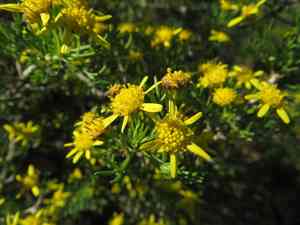
Hawk's eye (Euryops multifidus)
Also known as: Karoo Euryops, Resin Bush
The plant you're referring to is the **Euryops pectinatus**, or golden daisy bush. This resilient perennial features striking silvery-grey leaves and abundant bright yellow, daisy-like flowers. It excels in sunny locations and well-draining soil, making it perfect for dry, Mediterranean climates. Its robust nature and minimal care requirements make it a great choice for adding vibrant color to coastal gardens and rockeries.
In This Article
Attributes of Hawk's eye
Lifespan
Perennial
Plant Type
Shrub
Plant Height
1 to 2 meters
Spread
1 to 1.5 meters
Leaf Color
Green
Flower Size
2 to 3 centimeters
Flower Color
Bright Yellow
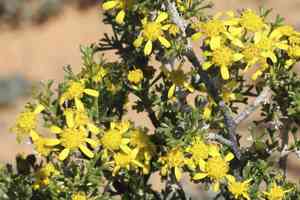
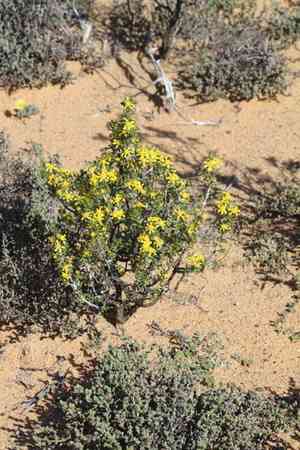
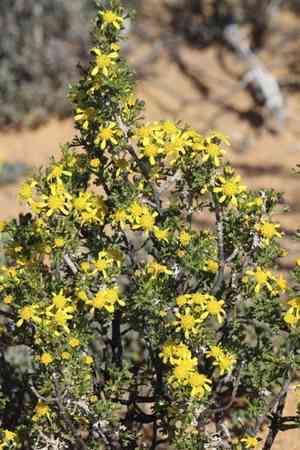
Images of Hawk's eye
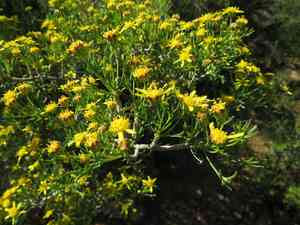
Quickly Identify Hawk's eye
1
Look for a shrub with finely divided, needle-like leaves and bright yellow daisy-like flowers. It often forms a rounded bush and exudes a characteristic resinous scent when the leaves are crushed.
Scientific Classification of Hawk's eye
Phylum
Vascular plants
Class
Dicotyledons
Order
Asterales
Family
Daisy
Genus
Paris daisy
Species
Hawk's eye
Planting and Growing of Hawk's eye
Care Difficulty
Easy
Watering Schedule
Every 2 days
Sunlight Requirements
Full sun
Sunshine Duration
6-8 hours
Ideal Temperature
65-75℉
Soil Type
Potting Mix, Peat Mix
Soil pH
6-8
Fertilizer Type
Balanced
Pruning Season
Spring, Summer
Pruning Area
Branches, Leaves
Pruning Frequency
2 times a year
Repotting Season
Spring
Pot Type
Plastic, Ceramic
 How to Water Hawk's eye?
Euryops multifidus thrives with a moderate watering regimen, ensuring the soil remains moist but not waterlogged. Each watering session should provide approximately 500 milliliters. This balance is crucial to provide enough moisture for the roots without suffocating them or causing root rot. Aim to drench the soil thoroughly, allowing it to drain completely to avoid standing water.
What are the symptoms of an underwatered Hawk's eye?
›
What should I do if my Hawk's eye is not getting enough water?
›
What are the symptoms of an overwatered Hawk's eye?
›
How to save an overwatered Hawk's eye?
›
 What Are the Sunlight Requirements for Hawk's eye?
Full sunlight exposure is ideal for Euryops multifidus. It promotes optimal flowering and growth. Consistent sunlight ensures vibrant yellow blooms and dense, healthy foliage, enhancing both plant aesthetics and vitality.
How much sunlight does Euryops multifidus need?
›
What if my Euryops multifidus receives too much sun?
›
How can I maximize sunlight for my Euryops multifidus indoors?
›
 What Is the Ideal Temperature Range for Hawk's eye?
The ideal temperature range for Euryops multifidus is between 65°F and 75°F. This range ensures optimal metabolic activity and growth. Maintaining this temperature encourages healthy photosynthesis and prevents stress on the plant, leading to lush foliage and vibrant blooms.
 What Soil is Best for Hawk's eye?
Euryops multifidus thrives in well-drained soil, which prevents root rot and allows for healthy growth. Ensuring proper drainage enhances aeration, facilitating essential nutrient uptake and promoting robust foliage. A nutrient-rich soil supports the vibrant blooms of Euryops multifidus, ensuring sustained flowering. The presence of organic matter and essential minerals boosts the plant's immune system and resilience against pests and diseases. Euryops multifidus benefits from soil with moderate fertility, which supports balanced growth. Excessively rich soil may lead to lush foliage but reduced flowering, highlighting the need for a balanced nutritional profile.
 How to Fertilize Hawk's eye?
For Euryops multifidus, use a balanced 10-10-10 liquid fertilizer diluted to half strength every time you feed it. When using slow-release granules, follow the package directions for the amount, but avoid over-application, as this can lead to root burn or excessive foliage growth at the expense of flowers.
 How to Prune Hawk's eye?
Prune Euryops multifidus primarily in spring and early summer when the plant is actively growing. This helps promote healthy growth and shape maintenance. While autumn pruning can be done, it's best to focus on light trims to prepare the plant for the winter months. Use clean, sharp pruning shears or scissors to ensure precise cuts and minimize damage. Dull blades can crush the stems and create entry points for diseases, so sharpening them before use ensures a cleaner cut and a healthier plant. Start by removing any dead or damaged stems, as these can sap the plant's energy and harbor pests. Next, cut back any overly long branches to encourage bushier growth. Aim to maintain the plant’s natural shape, removing about one-third of the length of healthy stems. Always cut just above a leaf node to stimulate new growth. To maintain a compact and rounded shape, regularly pinch off the tips of young growth. For an aesthetically pleasing form, aim for an even reduction of the outer branches, allowing the inner sections to mature and fill out.
More About Pruning Techniques→
 How to Propagate Hawk's eye plant?
1
To propagate Euryops multifidus via seeds, collect mature seeds from the plant in late summer. Ensure the seeds are dry and store them in a cool, dark place until you are ready to plant them in early spring.
2
When using cuttings, select healthy, non-flowering stems. Cut a 4-6 inch section below a node, making sure it has several leaves. Remove any lower leaves and dip the cut end in rooting hormone to increase success rates.
3
For both seeds and cuttings, plant them in a well-draining potting mix. Keep the soil lightly moist, not waterlogged. Place the container in a location with bright, indirect light, ensuring temperatures remain warm to encourage rooting.
 How to Repot Hawk's eye plant?
1
Euryops multifidus should be repotted when you notice root-bound growth, meaning roots are coming out of the drainage holes or forming dense mats on the soil surface. It’s best to repot during the growing seasons of spring or summer when the plant can recover more swiftly.
2
Selecting a pot that is only slightly larger than the current one prevents over-watering and allows the roots to establish better. Ensure the new pot has adequate drainage holes; this helps in maintaining just enough moisture without causing root rot.
3
Opt for a well-draining potting mix, which typically includes a combination of peat, perlite, and coarse sand. This blend facilitates proper aeration and moisture retention, ensuring healthy root growth for your Euryops multifidus.
Learn More About Hawk's eye Diseases
Anthracnose
Bacterial Leaf Spot
Black Spot
Chemical Injury
Crown Gall
Damping-off
Downy Mildew
Drought Stress
Fusarium Wilt
Gray Mold
Leaf Curl
Leaf Spot
Mosaic
Nutrient Deficiency
Nutrient Toxicity
Powdery Mildew
Root Rot
Root-knot Nematode
Rusts
Sooty Mold
Spider Mites
Temperature Stress
Thrips Damage
White Mold



