How to Transplant Roughleaf aster?
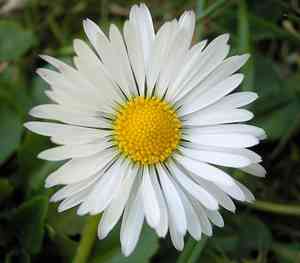
Roughleaf aster flourishes when relocated from the beginning to the end of spring, since moderate temperatures encourage root establishment. Select a location with ample sunlight or partial shade and soil that drains effectively. Verify that the new site replicates its native environment for optimal outcomes.
Essential Preparations Before Moving Roughleaf Aster?
Optimal Period for Relocating Roughleaf Aster?
The best time to move roughleaf aster is from the beginning to the end of spring. This period offers mild temperatures and sufficient rainfall, promoting strong root development. Moving roughleaf aster during this season improves its adaptation and growth, leading to a healthier, more resilient perennial.
Recommended Spacing Between Roughleaf Aster Plants?
For roughleaf aster, ensure each plant is positioned 12-18 inches (30-45 cm) apart. This provides ample room for development and prevents competition for resources.
Ideal Soil Blend for Roughleaf Aster Relocation?
Prepare soil that drains well, enriched with compost or a balanced base fertilizer. Roughleaf aster thrives best in moderately fertile soil with a slightly acidic to neutral pH (6.0-7.0).
Where to Position Your Roughleaf Aster?
Select a spot that receives full sunlight, at least 6 hours daily. Roughleaf aster can endure some shade, but full sun encourages peak blooming and growth.
Tools Required Before Transplanting Roughleaf Aster?
Gardening Gloves
To safeguard your hands while handling soil and plants.
Shovel or Spade
For digging around and lifting the plant from its original spot.
Trowel
Useful for excavating smaller holes and managing the plant's root system.
Watering Can or Hose
To maintain soil moisture before and after the move.
Wheelbarrow
For moving the plant to its new location, especially if it's large or the distance is significant.
Compost or Mulch
To enhance soil nutrients and retain moisture around the newly planted specimen.
How to Extract Roughleaf Aster from the Ground?
How to Extract Roughleaf Aster from the Ground?
From Ground: First, hydrate the roughleaf aster to moisten the soil. Next, dig a wide trench around the plant using a shovel or spade, ensuring the root ball stays intact. Carefully work the spade beneath the root ball to lift the plant from its initial position.From Pot: Water the roughleaf aster thoroughly before removal. Gently tap the pot's sides and base to loosen the soil. Carefully slide the plant out, supporting the root ball with your hands.From Seedling Tray: Ensure the soil is damp before removal. Using a trowel or small tool, gently lift each seedling from the tray, being careful not to harm the roots. Handle seedlings by their leaves to avoid crushing stems.
Detailed Steps for Moving Roughleaf Aster
Prepare the New Location
Before extracting your roughleaf aster, prepare its new spot by digging a hole twice as wide and as deep as the root ball. Incorporate some compost or mulch into the hole to improve soil quality.
Lift the Plant
Carefully remove the roughleaf aster from its original spot, keeping the root ball as intact as possible. Support the plant and avoid pulling it by its stems or leaves.
Transfer and Position
Place the roughleaf aster into the prepared hole, ensuring the top of the root ball is level with the ground. Adjust the plant to stand upright and backfill the hole with soil, gently pressing to eliminate air pockets.
Water the Plant
Once the roughleaf aster is in its new location, water it thoroughly to help settle the soil around the roots and minimize transplant shock.
Mulch the Base
Apply a layer of mulch around the base of the roughleaf aster to conserve moisture and maintain consistent soil temperature.
Post-Transplant Care for Roughleaf Aster?
Watering
Keep the soil around the roughleaf aster consistently moist, but not waterlogged, for the initial weeks after transplanting to encourage strong root development.
Monitoring
Regularly inspect the roughleaf aster for indications of stress, such as wilting or yellowing foliage, and address any issues promptly.
Support
If needed, provide stakes or supports to help the roughleaf aster remain upright as it establishes itself in the new environment.
Fertilization
After a few weeks, consider applying a balanced fertilizer to aid the growth of your roughleaf aster. Always adhere to the manufacturer's guidelines regarding dosage and frequency.
Addressing Common Issues with Roughleaf Aster Relocation.
When is the optimal time to move roughleaf aster?
Move roughleaf aster from early to late spring for best growth and minimal stress.
What is the recommended spacing for roughleaf aster plants?
Space roughleaf aster plants 12-18 inches (30-45 cm) apart to allow for ample growth.
How should I prepare the soil for roughleaf aster?
Loosen soil and blend in compost to improve drainage and nutrient availability before moving roughleaf aster.
What if roughleaf aster appears wilted after transplanting?
Water thoroughly and provide partial shade until roughleaf aster establishes, then gradually expose to more sun.
How deep should roughleaf aster roots be planted?
Plant roughleaf aster roots at their original depth to prevent root stress.
Should I prune roughleaf aster after transplanting?
Trim damaged or excessively long roots but avoid heavy pruning to reduce stress on roughleaf aster plants.
How much water does roughleaf aster require post-transplant?
Water roughleaf aster generously immediately after transplanting and keep the soil consistently moist, not soggy.
What kind of sunlight does roughleaf aster need?
Roughleaf aster thrives in full sun but can tolerate partial shade, especially in warmer climates.
Can roughleaf aster endure poor soil conditions?
Roughleaf aster prefers well-drained, moderately fertile soil; amend poor soil with compost before moving.
What to do if pests attack roughleaf aster after transplanting?
Monitor roughleaf aster for pests and use natural or chemical treatments quickly to prevent damage during establishment.



