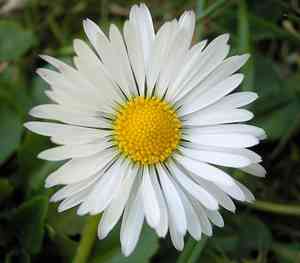
Roughleaf aster (Eurybia radulina)
Also known as: Rough Aster, Hairy Aster
The roughleaf aster is a robust perennial that thrives in well-drained, rocky or sandy soils. It features tough, textured leaves and produces vibrant, aster-like blossoms on its upright stems, offering a striking visual during its flowering period. Adaptable to cooler climates, this hardy plant enhances the biodiversity of its native woodland habitats.
In This Article
Attributes of Roughleaf aster
Lifespan
Perennial
Plant Type
Herb
Plant Height
20 cm to 71 cm
Spread
N/A
Leaf Color
Green
Flower Size
1-2 cm
Flower Color
Purple to Lavender
Images of Roughleaf aster
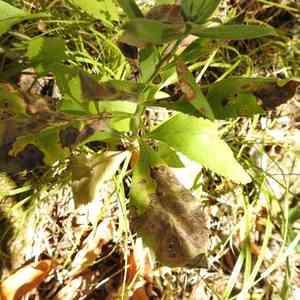
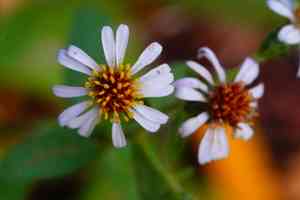
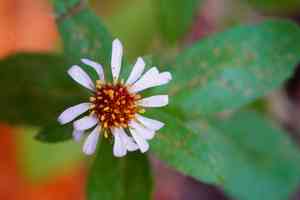
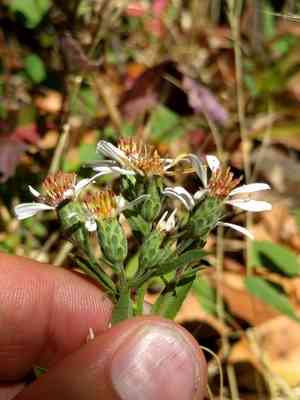
Quickly Identify Roughleaf aster
1
Identifying Eurybia radulina involves looking for its rough, hairy leaves and stems. The plant produces clusters of small, daisy-like flowers with purple to lavender petals and yellow centers.
Scientific Classification of Roughleaf aster
Phylum
Vascular plants
Class
Dicotyledons
Order
Asterales
Family
Daisy
Genus
Eurybia
Species
Roughleaf aster
Planting and Growing of Roughleaf aster
Care Difficulty
Easy
Watering Schedule
Every 2 days
Sunlight Requirements
Partial sun
Sunshine Duration
6-10 hours
Ideal Temperature
60-75℉
Soil Type
Potting Mix, Peat Mix
Soil pH
6.5-7.5
Fertilizer Type
Balanced
Pruning Season
Spring, Summer
Pruning Area
Branches, Leaves
Pruning Frequency
2 times a year
Repotting Season
Spring
Pot Type
Plastic, Ceramic
 How to Water Roughleaf aster?
Eurybia radulina enjoys a moderate level of moisture. When watering, aim for about 250 ml of water or until the top inch of soil is moist to the touch. Ensure the water penetrates deeply into the soil, promoting root hydration without waterlogging.
What are the symptoms of an underwatered Roughleaf aster?
›
What should I do if my Roughleaf aster is not getting enough water?
›
What are the symptoms of an overwatered Roughleaf aster?
›
How to save an overwatered Roughleaf aster?
›
 What Are the Sunlight Requirements for Roughleaf aster?
Eurybia radulina benefits from partial sun to full shade. Ideal lighting promotes strong, healthy growth, and vibrant foliage, contributing to the plant’s overall vitality.
How much sunlight does Eurybia radulina need?
›
Where should I place my Eurybia radulina plant?
›
What benefits does ideal lighting offer to Eurybia radulina?
›
 What Is the Ideal Temperature Range for Roughleaf aster?
The ideal temperature range for Eurybia radulina is between 60°F and 75°F. This temperature range provides the optimal conditions for growth and photosynthesis, ensuring that the plant receives enough warmth to thrive without experiencing stress from excessive heat.
 What Soil is Best for Roughleaf aster?
Eurybia radulina thrives best in well-drained soil that prevents water from pooling, helping to avoid root rot and other water-induced diseases. Ensuring proper drainage improves the oxygen availability to the roots, promoting robust plant growth. Incorporating organic matter like compost into the soil provides essential nutrients and improves moisture retention, vital for the healthy growth of Eurybia radulina. This enriches the soil structure, making it more conducive to sustaining robust root development. A slightly acidic soil with a pH range of 6.5 to 7.5 can help optimize nutrient uptake for Eurybia radulina. Maintaining this pH range supports iron and phosphorus availability, crucial for vibrant foliage and strong stems.
 How to Fertilize Roughleaf aster?
When fertilizing Eurybia radulina, use a balanced fertilizer diluted to half the recommended strength for liquid fertilizers. For slow-release fertilizers, apply according to the manufacturer’s instructions, focusing on the plant’s growing season. Be cautious not to over-fertilize as this can harm the plant, leading to nutrient burn or other adverse effects.
 How to Prune Roughleaf aster?
Schedule pruning sessions during the growing seasons—Spring, Summer, and Autumn are ideal. Pruning during these times promotes faster recovery and encourages robust growth, helping the plant thrive. When pruning Eurybia radulina, focus on removing dead or dying branches first. Make clean cuts at a 45-degree angle to prevent water damage and pest infestations, while also avoiding cutting too close to the main stem. While regular pruning is beneficial, excessive pruning can stress Eurybia radulina, leading to sparse foliage and fewer blooms. Aim to remove no more than a third of the plant at any one time to maintain its vitality.
More About Pruning Techniques→
 How to Propagate Roughleaf aster plant?
1
Harvest seeds from mature Eurybia radulina plants once they have fully developed. Ensure the seeds are dry and free from any fungal infections or pests before storage or sowing.
2
Select healthy shoots from the plant and cut 4-6 inch long sections. Remove any lower leaves and dip the cut end into rooting hormone to encourage fast rooting.
3
For division, gently dig up the mature plant, ensuring the roots are not damaged. Separate the plant into sections with enough roots and shoots to sustain each new plant.
 How to Repot Roughleaf aster plant?
1
Eurybia radulina shows signs that it's time for repotting when growth slows, roots become bound or emerge from drainage holes, and soil dries quickly after watering. Choose a time when the plant is actively growing, ideally in spring or early summer, to ensure it can quickly recover from transplant shock.
2
Select a pot that's just one size larger than the current one, preferably made of clay or ceramic to help regulate moisture levels. The pot must have drainage holes to prevent waterlogging, which can lead to root rot. This choice promotes healthy root growth and balances moisture efficiently.
3
Opt for a well-draining potting mix, enriched with organic matter to support healthy root development. A mix containing peat, perlite, and compost offers good aeration while retaining essential nutrients. This type of soil prevents overwatering issues and ensures nutrients reach the roots efficiently.
Learn More About Roughleaf aster Diseases
Anthracnose
Bacterial Leaf Spot
Black Spot
Chemical Injury
Crown Gall
Cyst Nematode
Damping-off
Downy Mildew
Drought Stress
Fusarium Wilt
Gray Mold
Leaf Curl
Leaf Spot
Mosaic
Nutrient Deficiency
Nutrient Toxicity
Powdery Mildew
Root Rot
Root-knot Nematode
Rusts
Sooty Mold
Spider Mites
Temperature Stress
Thrips Damage
White Mold



