How to Prune Roughleaf aster?
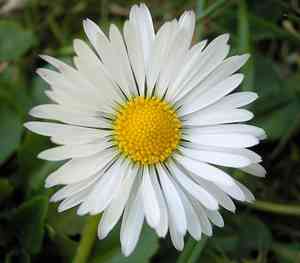
The Roughleaf aster, recognized by its characteristic coarse foliage, thrives with trimming to foster robust development and abundant flowering. The most suitable period for this maintenance is in late winter or early spring, coinciding with its natural growth pattern. Eliminate any deceased or compromised stalks, and reduce crowded sections to enhance air movement. For superior outcomes, reduce the plant's size by approximately one-third. This method not only sustains the plant's vitality but also elevates its aesthetic appeal and resilience against pests, guaranteeing a flourishing garden presentation.
What Are the Benefits of Pruning Roughleaf Aster?
What Are the Benefits of Pruning Roughleaf Aster?
Trimming roughleaf aster promotes strong development, helps maintain its desired form, and boosts flowering. It eliminates dead or unhealthy branches, deterring pests and illnesses. Regular trimming also manages size and supports overall plant vitality, ensuring a sturdy and attractive appearance.
What Is the Best Time for Pruning Roughleaf Aster?
What Is the Best Time for Pruning Roughleaf Aster?
Pruning roughleaf aster in late winter or early spring is advisable as it coincides with the plant's dormant phase, minimizing shock and disease risk. This timing supports new growth for the upcoming season, allowing ample recovery and flourishing. Furthermore, pruning before active growth encourages healthier and more abundant blooms, enhancing the plant's overall vigor and look.
What Tools Do I Need to Prune Roughleaf Aster?
Bypass Pruners
These are perfect for precise cuts on stems and branches, often needed to manage roughleaf aster's growth without harming the plant.
Hedge Shears
Useful for trimming and shaping the overall look of roughleaf aster when it has become more dense.
Hand Pruners
Effective for deadheading and removing smaller, lifeless parts of roughleaf aster, fostering healthier development.
Loppers
Best for cutting thicker stems and branches when greater leverage is required, ensuring clean cuts without crushing plant tissue.
Sharp Knife
Essential for detailed pruning tasks like removing diseased sections or making accurate cuts in confined areas.
How to Prune Roughleaf Aster
Assessment
Inspect roughleaf aster for any indications of diseased or withered foliage. Accurately identifying affected parts is vital for effective pruning.
Tool Sterilization
Sanitize your pruning shears with rubbing alcohol or a bleach solution to prevent disease transmission.
Trimming Diseased Leaves
Carefully remove all diseased leaves, ensuring to cut several inches below the visibly affected area to eliminate all infected tissue.
Removing Withered Leaves
Trim withered leaves back to the base or to the nearest healthy node to encourage new growth.
Disposal
Properly dispose of all trimmed materials, ideally by burning or sealing in a plastic bag to prevent disease spread.
Common Pruning Mistakes with Roughleaf Aster
Over-pruning
Excessive removal of branches can severely impede roughleaf aster's capacity to produce flowers and maintain health.
Incorrect technique
Using dull or unsuitable tools can result in jagged cuts, making roughleaf aster vulnerable to disease.
Pruning at the wrong nodes
Cutting at random or incorrect points on stems can lead to poor regrowth and a misshapen plant.
Common Pruning Tips for Roughleaf Aster
Use sharp and clean tools
Ensure pruning shears or scissors are sharp and disinfected to make clean cuts and prevent disease spread.
Prune selectively
Focus on removing dead, damaged, or diseased stems to improve air circulation and encourage robust growth.
Cut just above a healthy node
Make cuts just above a node (the point where leaves attach to the stem) to promote controlled and healthier new growth.



