How to Transplant Southern swamp aster?
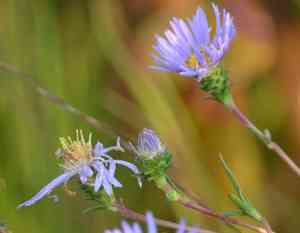
Southern swamp aster flourishes when relocated between mid-spring and late spring, benefiting from suitable soil temperatures. A perfect spot features damp, sun-drenched to partially shaded conditions. Provide consistent hydration after transplanting to aid root development, fostering this perennial's vigorous expansion.
Necessary Preparations Before Relocating Southern Swamp Aster
Optimal Timing for Southern Swamp Aster Relocation?
The best time to move southern swamp aster is from mid to late spring. This period allows the plant sufficient time to establish its root system before the intense heat of summer. Mild temperatures and increased rainfall during this season create perfect growing conditions for southern swamp aster, fostering vigorous growth and a strong root structure.
Required Spacing Between Southern Swamp Aster Plants?
Allow 18-24 inches (45-60 cm) of distance between each southern swamp aster specimen to ensure adequate room for their development and expansion.
Ideal Soil Mixture for Southern Swamp Aster Relocation?
Utilize well-draining soil with a pH ranging from slightly acidic to neutral (5.5-7.0). Incorporate compost or aged manure as a foundational fertilizer to enrich the soil prior to moving the plant.
Recommended Location for Southern Swamp Aster?
Select a site that receives full sun to partial shade. Southern swamp aster thrives with a minimum of 4-6 hours of daily sunlight for robust development.
Equipment to Prepare Before Moving Southern Swamp Aster
Gardening Gloves
To safeguard your hands while handling soil and the plant.
Hand Trowel
For excavating small holes and shifting soil around the plant.
Shovel or Spade
To dig a wide trench around the plant if extracting it from the ground.
Garden Fork
To gently loosen the soil when removing the plant.
Watering Can or Hose
For hydrating the plant during and after its relocation.
Mulch
To help retain moisture and stabilize soil temperature post-transplant.
Stakes and Ties
To offer support for the plant if needed, particularly in windy areas.
Method for Extracting Southern Swamp Aster from the Soil
Method for Extracting Southern Swamp Aster from the Soil?
From Ground: First, hydrate the southern swamp aster plant to moisten the soil. Next, excavate a broad trench around the plant using a shovel or spade, ensuring the plant's root ball remains intact. Carefully maneuver the spade beneath the root ball to lift the plant from its original spot.From Pot: Water the plant thoroughly to loosen the soil. Gently invert the pot and tap its base to release the root ball. Slide the plant out, holding it by its base to prevent stem damage.From Seedling Tray: Water the seedlings to make the soil damp and easier to manage. Use a hand trowel or fork to carefully lift each seedling from the tray, ensuring the root systems remain undamaged.
Step-by-Step Guide for Relocating Southern Swamp Aster
Preparation
Prepare the new planting site by digging a hole that is twice as wide and slightly deeper than the southern swamp aster's root ball. Ensure the soil is well-drained and aerated to support root development.
Root Inspection
Examine the roots of southern swamp aster before planting. If they are tightly coiled or circling, gently separate them to encourage better growth.
Placing the Plant
Position southern swamp aster in the center of the hole. The top of the root ball should be level with the surrounding soil surface. Adjust the plant so it stands upright.
Filling the Hole
Backfill the hole with soil, gently pressing it down to remove air pockets. Be careful not to compact the soil too much as this can hinder root growth.
Watering
Water the plant thoroughly after relocation to help the soil settle around the roots.
Staking
If necessary, stake the plant for support. Use stakes and ties to secure southern swamp aster, ensuring the ties are loose enough to avoid damaging the stems.
Mulching
Apply a layer of mulch around the base of southern swamp aster to conserve moisture and suppress weeds. Keep the mulch a few inches away from the stems to prevent rot.
Post-Relocation Care for Southern Swamp Aster
Watering
Maintain consistent moisture in the soil around southern swamp aster, but avoid waterlogging, for the initial weeks after relocation to aid in root establishment.
Monitoring
Regularly check southern swamp aster for indications of transplant shock, such as wilting or yellowing foliage, and adjust care as needed.
Fertilization
After the initial relocation period, feed southern swamp aster with a balanced fertilizer to promote healthy growth.
Weed Control
Keep weeds at bay to minimize competition for nutrients and water.
Pruning
Trim any damaged or dead growth to encourage new, healthy development.
Resolving Common Issues with Southern Swamp Aster Relocation.
When is the best time to move southern swamp aster?
Mid to late spring is ideal for relocating southern swamp aster for optimal growth and establishment.
What spacing should I use for southern swamp aster plants?
Space southern swamp aster plants 18-24 inches (46-61 cm) apart for ample room to grow.
How should I prepare the soil for southern swamp aster?
Ensure the soil is well-draining, rich in organic matter, and slightly acidic to neutral.
Should I water southern swamp aster immediately after relocating?
Yes, water thoroughly right after relocation to help settle the soil and reduce shock.
How can I manage root-bound southern swamp aster plants?
Gently tease out the roots with your fingers to encourage them to spread in their new location.
Do I need to fertilize southern swamp aster after relocating?
Apply a balanced, slow-release fertilizer to support healthy growth, but avoid over-fertilizing.
What if southern swamp aster leaves start yellowing after relocating?
This could indicate transplant shock. Keep the soil consistently moist and avoid sunscald.
How do I protect relocated southern swamp aster from pests?
Use natural pest deterrents or insecticidal soap if pests become a problem, ensuring not to harm the plant.
How deep should southern swamp aster be planted?
Plant southern swamp aster at the same depth as it was in its pot to prevent stress.
Is mulching important for southern swamp aster?
Yes, apply a layer of mulch to retain moisture, regulate soil temperature, and reduce weeds.



