The Southern swamp aster Plant Advantage: Maximizing Home and Office Appeal and Wellness
1
The Southern swamp aster enhances the beauty of wetland garden spaces.
2
This plant aids in sustaining native fauna, such as pollinating insects.
3
Cultivating Southern swamp aster is straightforward in damp, adequately draining ground.
What Are the Health Benefits of Southern swamp aster?
Benefits for Wetland Gardens
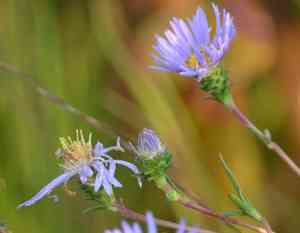
The Southern swamp aster flourishes in damp, well-drained earth, making it an excellent option for wetland gardens. Its striking purple blooms add vivid color to the landscape, boosting the visual appeal of your garden area. Furthermore, this plant's robust nature means it can help stabilize wet soils, preventing erosion and maintaining soil vitality.
Encouraging Biodiversity
Southern swamp aster is renowned for its role in supporting local wildlife, especially pollinators like bees and butterflies. The blossoms offer a rich source of nectar and pollen, vital for the survival of these insects. By cultivating Southern swamp aster in your garden, you contribute to ecological balance, helping to sustain local biodiversity.
How Can Southern swamp aster Be Incorporated into Daily Life?
Optimal Growing Conditions
Southern swamp aster prefers moist, well-drained soil and full to partial sun exposure. It is particularly well-suited for areas that experience occasional inundation or have consistently damp conditions. To ensure your Southern swamp aster thrives, plant it in a location where it will receive ample sunlight and moisture.
Planting and Maintenance Tips
When planting Southern swamp aster, dig a hole twice the size of the root ball, place the plant in the hole, and backfill with soil, pressing firmly around the base to eliminate air pockets. Water the plant thoroughly after planting and maintain consistent moisture, especially during dry spells. Pruning in early spring can help maintain the plant's shape and encourage new growth.
What Are the Environmental Benefits of Southern swamp aster?
Soil Stabilization
One of the primary advantages of Southern swamp aster is its capacity to stabilize soil. The plantâs extensive root system binds soil particles together, reducing the risk of erosion, particularly in wet areas. This stabilization not only protects your gardenâs structure but also preserves the fertility of topsoil, which is essential for the growth of other plants.
Enhancing Soil Nutrients
Southern swamp aster also contributes to soil health by enriching nutrient content. As the plant grows and decomposes, it adds organic matter to the soil, improving its structure and fertility. This organic matter enriches the soil with vital nutrients, supporting the growth of other plants in your garden.
Environmental Benefits: How Does Southern swamp aster Impact Local Ecology?
Supporting Pollinators
Pollinators are crucial for the reproduction of many plants, and Southern swamp aster plays a significant role in their lifecycle. By providing a rich source of nectar and pollen, this plant supports the health and vitality of pollinator populations. Bees, butterflies, and other insects flock to the flowers, boosting pollination rates in your garden and beyond.
Creating Wildlife Habitats
Southern swamp aster not only supports pollinators but also creates habitats for various other wildlife. The dense foliage and flowers provide shelter and food for insects, birds, and small mammals. By including Southern swamp aster in your garden, you create a mini-ecosystem that supports a diverse range of species, enhancing overall biodiversity.
Why Should You Grow Southern swamp aster?
How Often Should I Water My Southern swamp aster?
While Southern swamp aster prefers moist conditions, overwatering can lead to root rot. Itâs essential to keep the soil consistently damp but not waterlogged. During periods of drought or low rainfall, increase watering frequency to maintain soil moisture.
Can Southern swamp aster Be Grown in Containers?
Yes, Southern swamp aster can be grown in containers as long as the pot has good drainage and the soil remains moist. Containers should be large enough to accommodate the plantâs root system and placed in locations receiving adequate sunlight. Regular watering is crucial to prevent the soil from drying out.



