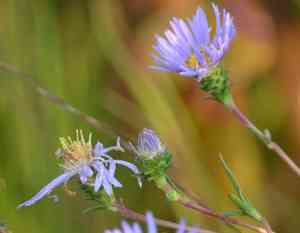
Southern swamp aster(Eurybia paludosa)

Southern swamp aster (Eurybia paludosa)

Also known as: Marsh Aster

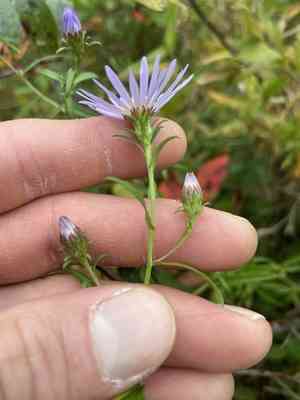
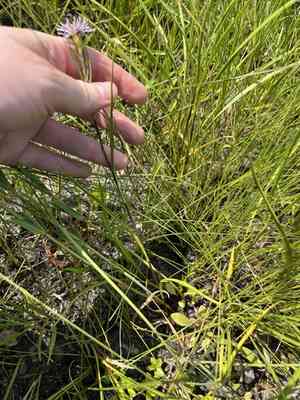
The southern swamp aster (Symphyotrichum puniceum) is frequently mistaken for the southern prairie aster (Eurybia hemispherica), but they thrive in distinct habitats and geographical regions. The southern swamp aster, found in wet, swampy environments, features deep lavender to purple flowers with yellow centers that bloom from late summer to fall.

In contrast, the southern prairie aster is adapted to drier, prairie-like settings. It has flower heads that also appear from late summer to fall, but the blooms are typically white to pale pink.

In summary, while both asters bloom in late summer through fall, the southern swamp aster is recognized by its purple flowers and preference for wet habitats, whereas the southern prairie aster displays lighter-colored blooms and prefers dry, prairie environments.

Attributes of Southern swamp aster

Lifespan
Perennial
Plant Type
Herb
Plant Height
30 cm to 91 cm
Spread
75 cm
Leaf Color
Green
Flower Size
1 to 2 centimeters
Flower Color
Pale Violet or White

ForwardPlant - Identify plants with a snap

Identify and diagnose plants, get toxicity alerts, and explore safety guides for all types of fungi.

Try for Free

Images of Southern swamp aster

Southern swamp aster(Eurybia paludosa)

Quickly Identify Southern swamp aster

1
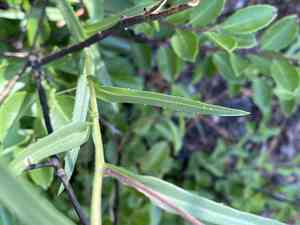
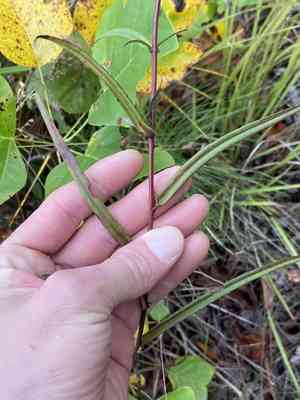
Eurybia paludosa can be identified by its lance-shaped leaves and distinctive clusters of small, daisy-like flowers, usually pale violet or white in color, with a yellow center.

Scientific Classification of Southern swamp aster

Phylum
Vascular plants
Class
Dicotyledons
Order
Asterales
Family
Daisy
Genus
Eurybia
Species
Southern swamp aster

Planting and Growing of Southern swamp aster

Care Difficulty
Easy
Watering Schedule
Every 2 days
Sunlight Requirements
Partial sun
Sunshine Duration
4-6 hours
Ideal Temperature
65-75℉
Soil Type
Potting Mix, Peat Mix
Soil pH
6.5-7.5
Fertilizer Type
Balanced
Pruning Season
Spring, Summer
Pruning Area
Branches, Leaves
Pruning Frequency
2 times a year
Repotting Season
Spring
Pot Type
Plastic, Ceramic

water icon How to Water Southern swamp aster?

Eurybia paludosa requires a precise watering approach. Water the plant with 250 milliliters each time, ensuring that the soil stays moist but not waterlogged. The soil should feel damp to touch at about an inch deep after watering.
What are the symptoms of an underwatered Southern swamp aster?
What should I do if my Southern swamp aster is not getting enough water?
What are the symptoms of an overwatered Southern swamp aster?
How to save an overwatered Southern swamp aster?

sunlight icon What Are the Sunlight Requirements for Southern swamp aster?

Sunlight Requirements: Partial sun
Duration of light: 4-6 hours daily
Partial sun conditions are ideal, allowing Eurybia paludosa to flourish in a balance of light and shade. This ensures the plant grows healthily, providing vibrant colors and a lush appearance.
What is the ideal lighting for Eurybia paludosa?
How can I ensure ideal lighting for Eurybia paludosa?
What are the benefits of ideal lighting for Eurybia paludosa?

temperature icon What Is the Ideal Temperature Range for Southern swamp aster?

Ideal Temperature: 65 ~ 75℉
The ideal temperature range for Eurybia paludosa is between 65°F and 75°F. This moderate range provides a conducive environment for optimal growth, ensuring the plant can efficiently perform photosynthesis and other physiological functions without stress.

soil icon What Soil is Best for Southern swamp aster?

Soil type: Loam, Sandy loam, Peat soil
Soil PH: 6.5 ~ 7.5
Eurybia paludosa thrives in moisture-retentive soils that prevent the roots from drying out. Such soils maintain a consistent moisture level, offering an ideal environment for healthy growth year-round. While moisture is important, the soil must also provide good drainage. Well-draining soil prevents waterlogging, which can lead to root rot, ensuring that the plant remains vibrant and disease-free. Rich, loamy soil packed with organic matter supports the vigorous growth of Eurybia paludosa. Nutrients from the soil enhance leaf color and flower production, boosting the plant's overall appeal.

fertilize icon How to Fertilize Southern swamp aster?

Fertilizer type: Balanced
For Eurybia paludosa, a moderate amount of fertilizer is recommended. Use about one tablespoon of liquid fertilizer in one liter of water. For slow-release fertilizers, a small handful spread around the base will suffice.

prune icon How to Prune Southern swamp aster?

Pruning Time: Spring, Summer, Autumn
Start by removing dead or damaged stems at the base. Trim back any excessively long stems to maintain a balanced shape. Aim for a dome-like appearance for better aeration and sunlight penetration. During early spring, prune back the tips of the stems lightly. This encourages lateral growth and leads to increased flowering. Deadhead spent blossoms regularly throughout the blooming season to prolong blooming periods. More About Pruning Techniques

propagate icon How to Propagate Southern swamp aster plant?

Propagate Time: Spring,Early summer
1
Collect seeds from mature Eurybia paludosa plants. Sow the seeds in a well-draining mix. Cover lightly with soil and keep moist until germination occurs.
2
Cut 4-6 inch tips from healthy stems in early summer. Remove lower leaves, dip in rooting hormone, and plant in a moist potting mix. Place in a warm area with indirect sunlight.
3
Division is best done in early spring. Dig up the mature plant, gently separate root clumps ensuring each section has roots and shoots. Replant divisions immediately.
More About Propagating Techniques

repot icon How to Repot Southern swamp aster plant?

Repotting frequency: Every 2 years
1
Look for signals like roots poking through drainage holes, slowed growth, or soil compacting. These are indications that Eurybia paludosa needs a new, more spacious home.
2
Choose a pot that's slightly larger than the current one and has excellent drainage. A pot that drains well prevents waterlogging, which is crucial for avoiding root rot and promoting healthy growth.
3
Select a well-draining peat-based soil mix. This type of soil maintains adequate moisture without becoming waterlogged, providing the roots with both air and nourishment.

ForwardPlant - Identify plants with a snap

Find the best spots for them to optimize their health, simply using your phone.

Try for Free