How to Transplant Dwarf spurge?
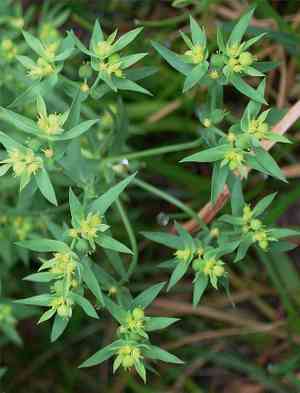
For Euphorbia myrsinites, the ideal period for relocation spans from the onset of mid-spring through the beginning of summer, ensuring peak development. Select a bright spot featuring soil that drains effectively. Exercising extreme care is crucial to safeguard fragile root systems throughout the procedure.
What Preparations are Needed Before Transplanting Dwarf Spurge?
What is the Ideal Time for Transplanting Dwarf Spurge?
The optimal period for moving dwarf spurge is as spring's warmth transitions into early summer's gentleness, providing favorable soil for root development. Transplanting at this time aligns with dwarf spurge's growth cycle and offers the benefit of a full growing season ahead, ensuring dwarf spurge flourishes robustly.
How Much Space Should You Leave Between Dwarf Spurge Plants?
When rehousing your dwarf spurge, aim for an optimal spacing of approximately 6-8 inches (15-20 cm) between plants. This allows each specimen ample room to thrive without excessive crowding.
What is the Best Soil Mix for Dwarf Spurge Transplanting?
Prepare a welcoming bed for your dwarf spurge! Combine a well-draining loam or sandy soil with a touch of organic compost for nutrients. A mild, balanced fertilizer at planting will give your dwarf spurge a good start.
Where Should You Relocate Your Dwarf Spurge?
Your dwarf spurge will prefer a sunny location receiving at least 6 hours of daily sunlight. Select a spot where morning or afternoon sun can reach its leaves, but it's protected from intense midday rays.
What Equipments Should You Prepare Before Transplantation Dwarf Spurge?
Gardening Trowel
For excavating small holes and refining the area where dwarf spurge will be situated.
Gardening Gloves
To safeguard your hands while handling soil and the plant.
Watering Can or Hose
To irrigate dwarf spurge following its relocation.
Root Pruning Shears
To trim any damaged roots if necessary.
Measuring Tape
To accurately space out planting locations, ensuring sufficient room for growth.
How Do You Remove Dwarf Spurge from the Soil?
How Do You Remove Dwarf Spurge from the Soil?
From Pot or Seedling Tray: Gently compress or tap the container's sides or the seedling tray's cells to loosen the soil. Invert the pot, supporting the dwarf spurge plant with your hand as you carefully extract it, striving not to disturb the root ball. If resistance occurs, use a knife to circle the pot's inner edge for easier removal.From Ground: Hydrate the dwarf spurge plant to moisten the soil the day before transplanting. Use a gardening trowel to dig around the plant, leaving ample space to keep the root ball intact. Gently pry beneath the root ball with your trowel or hands, lifting the dwarf spurge plant from the soil with care to minimize root damage.
Step-by-Step Guide for Transplanting Dwarf Spurge
Plant Removal
Extract the dwarf spurge plant from its original container or ground spot with minimal root disturbance, keeping the root ball intact.
Hole Preparation
Excavate a hole in the ground that is twice as wide and of equal depth to the dwarf spurge's root ball.
Plant Inspection
Examine the dwarf spurge's roots, trimming any that are damaged or excessively long with clean shears.
Positioning dwarf spurge
Carefully place dwarf spurge in the center of the hole. The stem's base should be level with the surrounding soil surface.
Refilling Hole
Gently backfill the hole with soil, completely covering the roots. Lightly pat the soil to remove air pockets without over-compacting it.
Watering
Thoroughly water dwarf spurge at its base immediately after planting to settle the soil and hydrate the roots.
How Do You Care For Dwarf Spurge After Transplanting?
Regular Watering
Water dwarf spurge consistently to maintain soil moisture, aiding the plant's establishment. Adjust irrigation based on rainfall and temperature.
Mulching
Apply a thin layer of mulch around dwarf spurge to conserve moisture and regulate soil temperature.
Monitoring Growth
Observe dwarf spurge for indications of stress or growth, which can reveal how well it is adapting to its new location.
Gentle Fertilization
After a few weeks, a mild application of balanced fertilizer may promote healthy growth, but avoid excessive fertilization.
Troubleshooting Common Issues with Dwarf Spurge Transplantation.
When's the best time to transplant dwarf spurge?
Ideally, move dwarf spurge between mid and late spring when temperatures are mild and growth is active.
What's the ideal space between transplanted dwarf spurge?
Each dwarf spurge should be spaced approximately 6-8 inches (15-20 cm) apart to ensure adequate room for growth.
How deeply should dwarf spurge be planted during transplant?
Plant dwarf spurge at the same depth it was previously grown to prevent stress and encourage rooting.
How much should I water dwarf spurge after transplanting?
Water generously immediately after transplanting to help establish roots, then adhere to regular watering needs.
Why are my transplanted dwarf spurge wilting?
Wilting could be due to transplant shock. Keep the soil moist and provide shade for a few days.
Can I transplant dwarf spurge on a hot day?
It's best to transplant on overcast days or in the evening to minimize stress from heat and sunlight.
Why is my dwarf spurge not growing after transplant?
Ensure dwarf spurge hasn't been planted too deeply or inadequately watered, and check for signs of pests or disease.
What should I do if dwarf spurge's leaves turn yellow after transplanting?
Yellowing can indicate overwatering or nutrient deficiency. Adjust watering and consider a mild fertilizer.
Should I fertilize dwarf spurge right after transplanting?
Wait a few weeks post-transplant before fertilizing to allow dwarf spurge to settle and root systems to strengthen.
How to protect transplanted dwarf spurge from wind damage?
Provide temporary windbreaks or stakes for support until dwarf spurge is well established and can withstand wind.



