How to Prune Dwarf spurge?
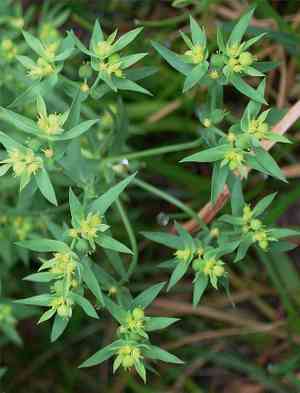
Dwarf spurge, a compact annual herb, thrives with little attention. To achieve its best development, trim it in spring, summer, or autumn, aligning with its periods of active growth. Consistent shaping encourages a fuller form, and removing faded blooms prevents unintended seed dispersal. Wearing protective gloves is recommended because its sap can irritate the skin. Trimming enhances the plant's well-being by allowing light and air to reach the thick leaves, thereby lowering the chance of illness and fostering robust development.
Benefits of Trimming Dwarf Spurge
Benefits of Trimming Dwarf Spurge
Trimming dwarf spurge promotes robust development and helps maintain its form. It eliminates old growth, fostering new, healthier shoots and preventing a sparse appearance. Timely cutting ensures dwarf spurge remains compact and visually appealing.
Optimal Time for Trimming Dwarf Spurge
Optimal Time for Trimming Dwarf Spurge
Trimming dwarf spurge in early spring stimulates vigorous new growth as the plant awakens from dormancy. Early summer pruning is ideal for shaping the plant and managing its size, aligning with a period of active development. Autumn pruning should be minimal, concentrating on removing any dead or diseased parts, and is best done well before the first frost to prevent exposing cuts to harsh conditions. These periods are optimal as they correspond with dwarf spurge's growth cycle, avoid extreme temperature stress, and prevent the removal of buds crucial for the flowering cycle.
Necessary Tools for Trimming Dwarf Spurge
Pruning Shears
For the delicate stems of dwarf spurge, sharp bypass pruning shears are recommended. Their scissor-like action will create clean cuts without crushing the plant's tissue, which is vital for encouraging healthy regrowth.
Gloves
Dwarf spurge contains a milky sap that can irritate skin and eyes. It is advisable to wear gloves when pruning to protect hands from potential allergic reactions.
Eye Protection
When trimming dwarf spurge, it is wise to wear eye protection to guard against accidental splashes of the plant's sap.
Tool Disinfectant
Before and after pruning dwarf spurge, disinfecting pruning tools is essential to prevent the spread of diseases.
How to Trim Dwarf Spurge
Inspect
Carefully examine dwarf spurge to identify withered leaves that are brown, yellow, or otherwise discolored and no longer contribute to the plant's aesthetics or growth.
Sanitize
Sterilize pruning tools with rubbing alcohol or a bleach solution to prevent the spread of disease when trimming the sensitive parts of dwarf spurge.
Trim
Using sharp, precise instruments such as scissors or pruners, gently snip off the identified withered leaves as close to the base as possible without damaging the main stem or nearby healthy foliage.
Dispose
Safely dispose of the removed withered leaves away from dwarf spurge to prevent potential pest and disease issues.
Care
Monitor dwarf spurge post-pruning to ensure a healthy recovery and regrowth, adjusting care routines like watering if necessary since dwarf spurge may require less water after trimming.
Common Trimming Errors with Dwarf Spurge
Over-pruning
Removing too much foliage from dwarf spurge at once can shock the plant. It is vital to prune only what is necessary to shape the plant or to remove dead and diseased parts.
Improper cutting technique
Using dull or dirty pruning tools can cause jagged cuts that make dwarf spurge more susceptible to diseases. Cuts should be clean and made at the right angle to promote healthy regrowth.
Ignoring plant structure
Cutting without understanding the natural growth pattern of dwarf spurge can result in a poorly shaped plant that may not flower properly. It is essential to recognize where cuts will encourage desirable growth.
Pruning healthy growth
Removing healthy foliage and stems without reason can inhibit the blossoming of dwarf spurge. Pruning should be focused on maintaining the health and shape of the plant, not just plant size reduction.
General Trimming Advice for Dwarf Spurge
Disinfecting tools
Before pruning dwarf spurge, always disinfect tools to avoid spreading diseases. Use a solution of bleach or alcohol to thoroughly clean the blades to ensure the health of the plant.
Selective pruning
Carefully select which parts of dwarf spurge to prune, focusing on dead, damaged, or diseased tissue, as well as overgrown areas that may hinder light penetration or air circulation within the plant.
Timing of pruning
While the best season for pruning is excluded, pruning dwarf spurge too frequently can weaken the plant. Allow time for recovery and regrowth between pruning sessions, regardless of the season.
Cut location
When pruning dwarf spurge, make cuts just above leaf nodes or branching points to encourage new growth in the desired direction and to maintain an aesthetically pleasing shape.



