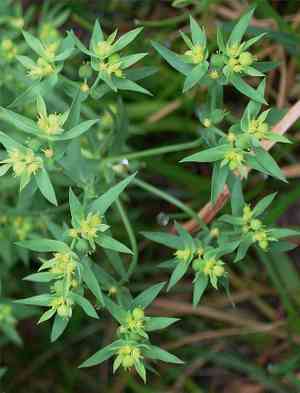
Dwarf spurge (Euphorbia exigua)
Also known as: Dwarf Spurge, Small Spurge
The small spurge (Euphorbia peplus) is an annual herbaceous plant that typically grows to a height of 5 to 20 cm. Its leaves are linear, blue-green in color, and measure 1 to 4 millimeters in width. The leaves are also sessile, meaning they attach directly to the stem without a petiole.
In This Article
Attributes of Dwarf spurge
Lifespan
Annual
Plant Type
Herb
Plant Height
5 cm to 20 cm
Spread
30 cm to 4 m
Leaf Color
Green
Flower Size
0.5-1 mm
Flower Color
Yellow Green
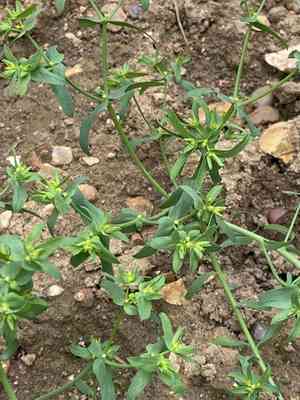
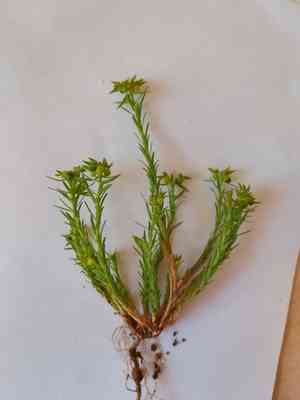
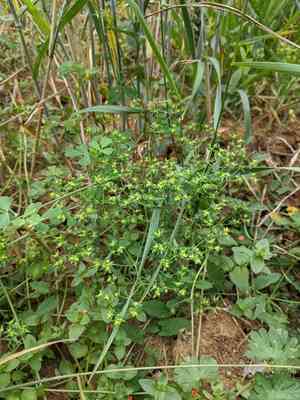
Images of Dwarf spurge
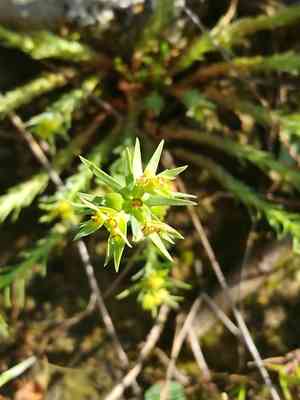
Quickly Identify Dwarf spurge
1
Euphorbia exigua can be identified by its thin, linear leaves and small, insignificant greenish-yellow flowers. The plant often appears in a bushy, sprawling form and produces milky white latex when its stems are broken.
Scientific Classification of Dwarf spurge
Phylum
Vascular plants
Class
Dicotyledons
Order
Malpighiales
Family
Spurge
Genus
Spurges
Species
Dwarf spurge
Planting and Growing of Dwarf spurge
Care Difficulty
Easy
Watering Schedule
Every 2 days
Sunlight Requirements
Full sun
Sunshine Duration
6-10 hours
Ideal Temperature
60-75℉
Soil Type
Potting Mix, Peat Mix
Soil pH
6.5-7.5
Fertilizer Type
Balanced
Pruning Season
Spring, Summer
Pruning Area
Branches, Leaves
Pruning Frequency
2 times a year
Repotting Season
Spring
Pot Type
Plastic, Ceramic
 How to Water Dwarf spurge?
Euphorbia exigua requires about 100 milliliters of water per session. This amount ensures the soil remains moderately moist without becoming waterlogged. It's vital to water deeply enough for moisture to reach the root zone, but avoid saturating the soil.
What are the symptoms of an underwatered Dwarf spurge?
›
What should I do if my Dwarf spurge is not getting enough water?
›
What are the symptoms of an overwatered Dwarf spurge?
›
How to save an overwatered Dwarf spurge?
›
 What Are the Sunlight Requirements for Dwarf spurge?
Euphorbia exigua thrives with full sun exposure, benefiting from 6-8 hours of direct sunlight. Proper sunlight ensures robust growth, beautiful blooms, and minimized fungal infections, enhancing its natural resilience.
More About Sunlight Requirements Techniques→
What is the optimal amount of sunlight?
›
What steps can be taken to achieve ideal lighting?
›
Why is proper lighting vital for this plant?
›
 What Is the Ideal Temperature Range for Dwarf spurge?
What is the ideal temperature range for growing Euphorbia exigua? The ideal temperature range for Euphorbia exigua is between 60°F and 75°F. This range ensures optimal growth and health for the plant, promoting proper physiological processes and maximizing photosynthesis.
 What Soil is Best for Dwarf spurge?
Euphorbia exigua thrives in well-draining soil to prevent waterlogging and root rot, ensuring healthy growth and vibrant foliage. The soil should be moderately fertile to support Euphorbia exigua's growth without excessive nutrients, which can lead to weak stems. A light and aerated soil structure promotes root development and access to air, enhancing plant stability and nutrient uptake.
 How to Fertilize Dwarf spurge?
For Euphorbia exigua, the amount of fertilizer should be minimal, as over-fertilization can harm the plant. Use a diluted liquid fertilizer at half strength every feeding to ensure the plant receives nutrients without being overwhelmed.
 How to Prune Dwarf spurge?
Begin by removing any dead or damaged stems. This helps to redirect the plant's energy towards healthier parts, enhancing overall vitality and appearance. After dealing with damaged parts, focus on shaping the plant. Trim back any overly long or leggy stems to maintain a compact form. This ensures an even growth pattern and boosts the plant's aesthetic appeal. Cut back stems just above a set of healthy leaves or a node. This practice stimulates new growth and branching, leading to a fuller and lush plant. Regular shaping keeps the plant vibrant and thriving.
More About Pruning Techniques→
 How to Propagate Dwarf spurge plant?
1
Fill seed trays with a fine potting mix, ensuring it is evenly spread and lightly compacted. This creates an ideal environment for the seeds to germinate and receive adequate moisture and nutrients.
2
Scatter the seeds evenly over the surface of the prepared seed trays. Cover them with a thin layer of potting mix, gently pressing down to ensure good contact without burying them too deeply.
3
Place the seed trays in a warm, bright location, avoiding direct sunlight. Keep the soil consistently moist but not waterlogged, which encourages germination and robust growth.
 How to Repot Dwarf spurge plant?
1
Watch for signs like roots poking through the drainage holes or the plant becoming top-heavy. These signals, along with slowed growth, indicate it’s time to repot Euphorbia exigua. Ideally, aim for repotting during its active growing season.
2
Select a pot that is slightly larger than the current one, with adequate drainage holes. A well-chosen pot supports root growth and prevents waterlogging, which is essential for the health of Euphorbia exigua.
3
Opt for a sandy soil mix that offers excellent drainage while retaining some moisture. This promotes healthy root development and mimics the plant’s natural habitat, reducing the risk of root rot.
Toxicity
Ingestion and skin contact
WARNING
The judgment on toxicity and danger is for reference only. We DO NOT GUARANTEE any accuracy of such judgment. Therefore, you SHALL NOT rely on such judgment. It is IMPORTANT TO SEEK PROFESSIONAL ADVICE in advance when necessary.
Learn More About Dwarf spurge Diseases
Anthracnose
Bacterial Leaf Spot
Bacterial Soft Rot
Bacterial Wilt
Black Spot
Chemical Injury
Crown Gall
Cyst Nematode
Damping-off
Downy Mildew
Drought Stress
Fusarium Wilt
Gray Mold
Leaf Curl
Leaf Spot
Mosaic
Nutrient Deficiency
Nutrient Toxicity
Powdery Mildew
Root Rot
Root-knot Nematode
Rusts
Sooty Mold
Spider Mites
Temperature Stress
Thrips Damage
White Mold



