How to Transplant Tree spurge?
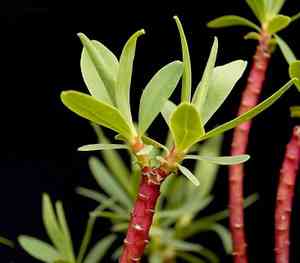
The ideal period for relocating tree spurge spans from late spring through mid-summer, facilitating optimal root development. Select locations that receive ample sunlight and possess good drainage. During the transfer process, gently manage the root ball to promote successful integration.
Essential Preparations Before Relocating Tree Spurge?
Optimal Timing for Tree Spurge Relocation?
The best time to move tree spurge is as warm weather begins, typically from late spring through mid-summer. This period allows tree spurge's roots to benefit from longer, warmer days, promoting strong development. Choosing this season provides tree spurge with gentle, mild conditions, increasing its chances of thriving in a new location.
Recommended Spacing Between Tree Spurge Plants?
Greetings, aspiring gardener! Before moving your lovely tree spurge, ensure they have ample room to flourish. Aim for a spacing of 24-36 inches (61-91 cm). This guarantees sufficient space for growth without competition for nutrients or light.
Ideal Soil Blend for Tree Spurge Transplanting?
For your tree spurge to thrive, establishing the correct base is crucial. Select a well-draining soil to prevent root waterlogging. Prior to planting, incorporate a balanced, slow-release fertilizer to give your tree spurge a nutritional boost. Happy planting!
Preferred Location for Your Tree Spurge?
Your tree spurge adores sunlightâmuch like us on a sunny day! Locate a bright, sunny spot in your garden that receives at least 6 hours of direct sunlight daily. This will help your tree spurge grow robust and healthy. Let the sunshine in!
Necessary Equipment for Tree Spurge Transplantation?
Gardening Gloves
To safeguard your hands while handling soil and the plant.
Shovel or Spade
For excavating the plant and preparing the new planting site.
Pruning Shears
To trim any damaged or excess growth before the transplant.
Wheelbarrow or Plant Trolley
To move the plant from its original spot to the new one if needed.
Watering Can or Hose
For hydrating the plant before and after its relocation.
How to Extract Tree Spurge from the Soil?
How to Extract Tree Spurge from the Soil?
From Ground: Hydrate the tree spurge to moisten the soil around its root system. Dig a wide circle around the plant using a shovel or spade. Carefully work the tool under the root ball and gently lift the plant from the soil.From Pot: Water the tree spurge to facilitate root ball removal. Tip the pot sideways and tap the base to loosen the plant. Gently pull the plant by the stem's base and extract it from the pot.From Seedling Tray: Water the seedlings before removal. Use a spoon or small implement to loosen the soil around the seedling. Gently lift the tree spurge seedling by its leaves, avoiding the delicate stem.
Step-by-Step Guide for Relocating Tree Spurge
Preparing the New Location
Dig a hole that is twice the width and equal to the depth of the tree spurge's root ball.
Inspecting the Roots
Examine the root ball and trim any broken or dead roots using pruning shears.
Positioning tree spurge in the Hole
Place the tree spurge in the center of the hole, ensuring it stands upright.
Backfilling the Hole
Refill the hole with soil, gently firming it around the root ball without excessive compaction.
Watering after Transplanting
Thoroughly water the tree spurge to settle the soil and eliminate any air pockets around the roots.
Post-Transplant Care for Tree Spurge?
Stabilizing
Utilize stakes if necessary to support tree spurge until it is firmly established.
Pest Monitoring
Watch for pests that could stress the tree spurge during the critical period following transplantation.
Mulching
Apply a layer of mulch around the tree spurge to help retain moisture and regulate soil temperature.
Resolving Common Issues with Tree Spurge Transplantation.
What's the best time of year to transplant tree spurge?
Transplant tree spurge when the weather is mild, ideally from late spring to mid-summer for optimal results.
How far apart should I space tree spurge when transplanting?
Space tree spurge about 24-36 inches (60-91 cm) apart to ensure adequate room for growth.
Should tree spurge be watered immediately after transplanting?
Yes, water tree spurge generously right after transplanting to help settle the soil around the roots.
What kind of sunlight does tree spurge need after transplanting?
Provide tree spurge with a sunny spot as it thrives in full sunlight after transplanting.
How deep should the hole be for transplanting tree spurge?
Dig a hole that's twice as wide and just as deep as the root ball of tree spurge.
Can I use fertilizer when transplanting tree spurge?
Wait a few weeks before applying a balanced fertilizer to avoid burning the roots of tree spurge.
How can I tell if tree spurge is experiencing transplant shock?
Signs of transplant shock in tree spurge include wilting, leaf loss, or a halt in growth.
What soil type is best for transplanting tree spurge?
Use well-drained soil with some organic matter to foster healthy growth in tree spurge.
How much should I water tree spurge after transplanting?
Keep the soil moist but not waterlogged, watering deeply once a week for tree spurge to establish.
Why are tree spurge's leaves turning yellow after transplant?
Yellowing leaves may indicate over-watering or poor drainage; ensure soil is moist but well-draining.



