How to Prune Tree spurge?
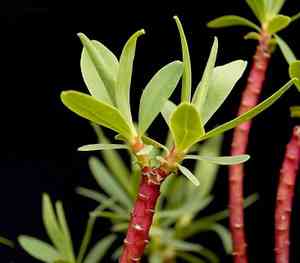
Originating from the Mediterranean region, this perennial woody plant is recognized for its rounded silhouette and tiny, golden flower clusters. For tree spurge, trimming ought to concentrate on excising lifeless or compromised limbs, thereby preserving the plant's well-being and contour. The most suitable time for pruning is in late winter or early spring, steering clear of sap movement phases to avert exudation. Trimming additionally stimulates robust new development, improving the plant's structural design. Consistent trimming can deter excessive density, guaranteeing sufficient illumination and air movement.
What Are the Benefits of Pruning Tree Spurge?
What Are the Benefits of Pruning Tree Spurge?
Trimming tree spurge encourages robust new development and aids in maintaining its preferred shape. Regular trimming ensures a neat look and can prevent the plant from becoming overgrown and messy.
What Is the Best Time for Pruning Tree Spurge?
What Is the Best Time for Pruning Tree Spurge?
Trimming tree spurge in late winter, just prior to the start of the spring growth period, offers several advantages. First, it allows gardeners to cleanly remove any damaged or diseased branches before new growth emerges, fostering a healthier plant. Additionally, tree spurge enters a dormant phase during winter, so pruning at this time minimizes plant stress and reduces the risk of sap loss, which can attract pests. Pruning before the spring growth surge ensures the plant's energy is directed towards new, healthy development. This timing also precedes the tree spurge's flowering period, enabling gardeners to shape the plant without impeding its blooming potential. Overall, adhering to this schedule aligns with the natural life cycle of tree spurge, promoting vigorous growth and contributing to its aesthetic and structural qualities.
What Tools Do I Need to Prune Tree Spurge?
Bypass Pruners
Perfect for making clean cuts on smaller stems of tree spurge, providing precise control which is crucial to avoid unnecessary harm to the plant's structure.
Loppers
Suitable for cutting through thicker branches that bypass pruners cannot manage. The extended handles offer leverage to cut the woodier parts of tree spurge without straining the gardener's hands.
Pruning Saw
Essential for managing the oldest and thickest branches of tree spurge when removal is necessary for plant health or shape maintenance. The saw enables cutting larger branches beyond loppers' capacity.
Gloves
Crucial as tree spurge secretes a latex sap that can irritate the skin. Gloves protect the hands during the trimming process.
Goggles
Recommended to shield the eyes from the sap of tree spurge, which can be harmful if it contacts the eyes.
How to Prune Tree Spurge
Clean Equipment
Before beginning, sanitize pruning tools with a solution of one part bleach to nine parts water to prevent disease transmission.
Diseased Leaves
Identify and carefully remove any diseased leaves from tree spurge using clean, sharp scissors or pruners, ensuring minimal damage to surrounding healthy tissue.
Withered Leaves
Trim away withered leaves from tree spurge to encourage improved air circulation and light penetration, which helps promote new healthy growth.
Dead Branches
Cut dead branches from tree spurge at their base where they meet the main stem or a healthy branch, ensuring cuts are clean and at a slight angle to prevent water retention and encourage healing.
Diseased Branches
Remove any diseased branches by making precise cuts on tree spurge well into the healthy tissue to ensure complete removal of infected parts and prevent further disease spread.
Common Pruning Mistakes with Tree Spurge
Overpruning
Removing too much foliage from tree spurge at once can shock the plant, leading to reduced vitality or even plant demise. It's important to trim no more than one-third of the plant in a single session.
Improper Cuts
Cutting tree spurge too close to the trunk or leaving large stubs can result in poor wound healing and increased susceptibility to diseases. Clean cuts made at a slight angle just above a bud or branch junction promote healthier growth.
Using Dull Tools
Trimming tree spurge with dull or unclean tools can tear the bark and create jagged edges, which invite pests and diseases. Always use sharp, sterilized pruning shears.
Neglecting Safety
The sap of tree spurge can irritate skin and eyes. Failing to wear protective gloves and goggles is a common oversight that can lead to discomfort or injury.
Lack Of Planning
Random or unplanned trimming may result in an undesirable shape or uneven growth. Before making any cuts, visualize the desired outcome for tree spurge's canopy.
Common Pruning Tips for Tree Spurge
Health Maintenance
Remove any dead, dying, or diseased branches from tree spurge as they appear. This practice prevents disease spread and promotes air circulation and light penetration.
Encouraging Bushiness
To stimulate a fuller shape, make precise cuts just above a leaf node or lateral branch. This encourages tree spurge to produce new growth in a denser, more compact form.
Tool Selection
Use sharp, clean bypass pruners or loppers for tree spurge, as they make cleaner cuts which heal more quickly. Before and after trimming, disinfect your tools to minimize disease transmission.
Protecting The Plant
Since tree spurge has irritant sap, it's essential to protect yourself by wearing long sleeves, gloves, and eye protection. Additionally, avoid trimming on windy days to minimize contact with the sap.
Post-Pruning Care
After trimming tree spurge, water it adequately and provide a balanced fertilizer to help the plant recover from the stress of pruning. This will encourage healthy new growth.



