How to Transplant Burningbush?
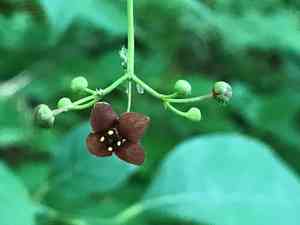
The most favorable periods for relocating burningbush are in the mild warmth of late spring or the refreshing coolness of early fall, allowing roots to settle without harsh climatic pressure. Select a location featuring adequately draining earth and exposure to partial or full sunlight. Promote root development by consistently keeping the soil hydrated following the transfer.
Necessary Preparations Before Moving Burningbush?
When is the Best Time to Relocate Burningbush?
For burningbush, the prime periods for relocation span from early spring's awakening to the edge of summer, or as autumn's hues fade into the onset of winter. These intervals provide moderate temperatures and suitable soil conditions, vital for burningbush's root establishment and recovery. Moving burningbush during these times supports robust development and boosts its resilience before summer's heat or winter's deep freeze.A helpful tip â transplant burningbush then, and observe its graceful flourishing!
What Distance Should Be Maintained Between Burningbush Plants?
When planning to rehome your burningbush, remember that each plant prefers its own space. Aim for a generous spacing of approximately 4-6 feet (1.2-1.8 meters) between plants to ensure their optimal growth.
What is the Ideal Soil Blend for Burningbush Relocation?
Your burningbush will thrive best in soil that drains well and has a slight nutritional boost. Preparing the site with a mix of compost or a balanced slow-release fertilizer will offer a robust base for your plant's fresh start.
Where Should You Replant Your Burningbush?
Selecting the perfect sunny spot for your burningbush is crucial. Choose a location where they can enjoy full sun to partial shade. This will provide them with the light they prefer without causing sunburn â about 4-6 hours of direct sunlight daily is just right.
What Tools Should You Gather Before Transplanting Burningbush?
Gardening Gloves
To safeguard your hands while handling soil and the plant.
Shovel or Spade
For excavating around and beneath the burningbush.
Garden Knife or Pruners
To carefully trim any damaged roots.
Wheelbarrow or Tarp
To move the burningbush from its original spot to the new location.
Watering Can or Hose
For hydrating the burningbush before and after its relocation.
Stake or Plant Support
To help the burningbush stay upright and stable in its new position if required.
How Do You Extract Burningbush from the Soil?
How Do You Extract Burningbush from the Soil?
From Ground: Hydrate the burningbush to moisten the soil. Dig a wide circle around the plant with a shovel or spade, making sure to preserve a substantial portion of the root ball. Carefully work the spade under the root ball and lift the burningbush along with its root ball.From Pot: Water the burningbush thoroughly. Turn the pot on its side, hold the burningbush near its base, and tap the bottom to dislodge the plant. Gently pull the burningbush out while supporting the root ball with your other hand.From Seedling Tray: Water the seedlings to dampen the soil, which facilitates removal. Use a garden knife or a small trowel to lift the burningbush from its cell, taking care not to harm the roots.
Detailed Guide for Transplanting Burningbush
Preparation
Water the burningbush the day before transplanting to ensure its roots are hydrated.
Dig Hole
At the new site, excavate a hole that is twice the width of the root ball and of the same depth.
Prepare burningbush
Remove the burningbush from its initial location using the methods outlined in the removal process.
Position burningbush
Place the burningbush in the center of the hole. The top of the root ball should be level with the ground surface.
Fill Hole
Backfill the hole with the excavated soil. Gently compact the soil around the burningbush to eliminate air pockets.
Water Thoroughly
Water the burningbush generously after planting to settle the soil and encourage root development.
Mulching
Apply a layer of mulch around the base of the burningbush to retain moisture and regulate soil temperature.
Staking (if needed)
If the burningbush is tall or top-heavy, insert a stake on the windward side and loosely tie it to the burningbush for support.
How Do You Care For Burningbush After Relocation?
Watering
Keep the soil around the burningbush moist, especially during the initial weeks, to aid new root growth.
Mulch
Maintain a layer of mulch to suppress weeds and keep the root zone hydrated.
Staking
Check stakes and ties regularly to ensure they are not too tight and adjust them as the burningbush grows.
Pruning
Trim any broken or damaged branches to promote healthy new development.
Monitoring
Observe the burningbush for signs of stress or pests and address them as necessary.
Resolving Common Issues with Burningbush Transplantation.
What's the optimal time to transplant burningbush?
The best time to transplant burningbush is during the cooler months, ideally from late spring to early summer or from late fall to early winter.
How much space does burningbush need when transplanting?
Ensure to space burningbush about 4-6 feet (1.2-1.8 meters) apart from each other to give them room to grow.
Why are my burningbush leaves wilting after transplanting?
Wilting could be due to transplant shock. Ensure you're keeping the soil moist and protecting the plant from extreme weather.
What soil conditions are best for transplanting burningbush?
Plant burningbush in well-draining soil rich in organic matter to promote healthy growth after transplanting.
How deep should I plant burningbush during transplantation?
The root ball of burningbush should be planted at the same depth it was growing originally.
Is it necessary to prune burningbush during transplanting?
Light pruning can help burningbush focus energy on root development. Remove only damaged or dead branches.
Can I fertilize burningbush right after transplanting?
Wait a few weeks before fertilizing to avoid burning the roots. Allow burningbush to settle in its new environment first.
Should I transplant burningbush in full sun or shade?
Transplant burningbush in an area that receives full sun to partial shade for best growth.
Why isn't my transplanted burningbush growing?
Ensure you're not planting too deep, watering appropriately, and that the soil is fertile. Patience is keyâit may take time to establish.
How often should I water burningbush after transplanting?
Water burningbush deeply after transplanting and then regularly until it's established, tapering back as the plant gets settled.



