How to Prune Burningbush?
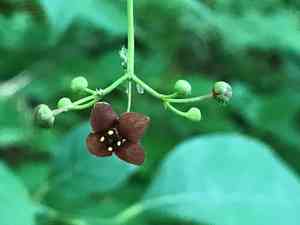
Distinguished by its vibrant autumn leaves, burningbush significantly profits from trimming. Essential methods involve reducing dense branches and shortening excessive growths to preserve its form. The ideal period for pruning is in late winter or early spring, prior to the emergence of new shoots. This schedule offers an unobstructed view of the plant's framework and stimulates robust spring development. Trimming burningbush not only refines its inherent shape but also fosters more robust foliage and boosts air movement throughout its crown.
What Are the Benefits of Pruning Burningbush?
What Are the Benefits of Pruning Burningbush?
Trimming burningbush encourages robust development and preserves its desired form. Strategic cutting manages size and fosters a dense, full look, vital for burningbush's ornamental appeal.
What Is the Best Time for Pruning Burningbush?
What Is the Best Time for Pruning Burningbush?
Late winter and early spring are optimal for pruning or trimming burningbush as these periods coincide with the plant's dormant phase. Pruning during dormancy minimizes stress on burningbush, ensures quick wound healing, and simplifies shaping since the structure is more visible without leaves. Furthermore, removing dead or diseased wood before new growth begins helps direct the plant's energy towards producing healthy foliage and branches. Pruning before spring growth also reduces the chance of removing new season's growth or flower buds, thus safeguarding its flowering and fruiting potential.
What Tools Do I Need to Prune Burningbush?
Bypass Pruners
Perfect for making clean cuts on smaller stems and branches of burningbush, typically up to 1/2 inch in diameter. These pruners offer precision and cause minimal harm to plant tissues.
Lopping Shears
These are suitable for cutting through branches up to approximately 1 1/2 inches in diameter. The long handles provide leverage to cut through thicker burningbush growth without straining the gardener.
Pruning Saw
Burningbush may possess mature, woody stems exceeding lopper capacity. A pruning saw is essential for these instances, as it can manage branches over 1 1/2 inches thick and allows for selective removal of larger limbs.
Handheld Hedge Shears
For shaping and maintaining the dense foliage of burningbush, hedge shears are effective. They enable trimming and shaping the outer edges of the bush to promote a more compact growth habit.
How to Prune Burningbush
Sanitization
Before beginning, disinfect pruning tools with rubbing alcohol or a bleach solution to prevent disease spread when trimming burningbush.
Identification
Examine burningbush closely to pinpoint dead or diseased branches, which may show discolored, peeling bark or signs of fungal growth.
Cutting dead
Use sharp, clean pruning shears to cut dead branches just above a live bud, a healthy branch, or at the branch collar; avoid leaving stubs.
Cutting diseased
Remove diseased branches by cutting at least several inches below the affected area, or at the base if the entire branch is affected, to ensure complete removal of diseased tissue.
Disposal
Discard dead and diseased branches away from healthy burningbush plants to prevent contamination or re-infection.
Common Pruning Mistakes with Burningbush
Over-pruning
Removing excessive foliage from burningbush can weaken the plant and make it vulnerable to diseases and pests. It's crucial to limit pruning to no more than one-third of the total growth.
Improper cutting
Incorrect cutting techniques, such as leaving stubs or tearing bark, can harm burningbush. Cuts should be clean and made at a 45-degree angle just above a leaf node or bud.
Neglecting tool maintenance
Using dull or dirty pruning tools can result in jagged cuts that are more prone to infection. Clean and sharpen tools before use to ensure precise cuts.
Pruning too late
Pruning burningbush late in the growing season can stimulate new growth that may not harden off before winter, increasing the risk of cold damage. This should be avoided even though the best season for pruning is not detailed here.
Common Pruning Tips for Burningbush
Start with dead material
Begin by removing any dead or diseased branches from burningbush, which will improve air circulation and direct energy towards healthy growth.
Encourage bushy growth
To promote a bushier growth habit in burningbush, prune just above a leaf set to stimulate new branches. This method also maintains the plant's natural shape.
Thin interior branches
Thinning out crowded or crossing branches in the interior of burningbush helps to ensure ample light penetration and air flow, reducing the likelihood of disease.
Maintain natural shape
Avoid over-shaping burningbush, which can lead to an unnatural appearance. Instead, aim to maintain the plant's inherent form for the best aesthetic and health results.



