
Burningbush (Euonymus atropurpureus)
Also known as: American wahoo
Burningbush (Euonymus atropurpureus) is a deciduous shrub that typically reaches heights of 3.5 to 6 meters. It features small, maroon flowers that bloom in late spring to early summer, followed by seed capsules that turn crimson in the fall. This plant flourishes in well-drained soil with medium moisture and can grow in both full sun and partial shade. It attracts birds and wildlife, making it a great choice for woodland gardens or as a hedge or screen.
Attributes of Burningbush
Images of Burningbush

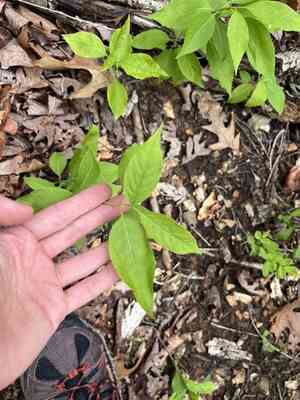

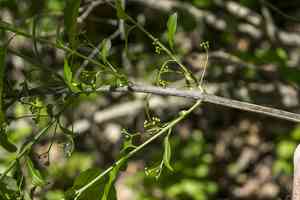
Quickly Identify Burningbush
Scientific Classification of Burningbush
Planting and Growing of Burningbush
 How to Water Burningbush?
 What Are the Sunlight Requirements for Burningbush?
 What Is the Ideal Temperature Range for Burningbush?
 What Soil is Best for Burningbush?
 How to Fertilize Burningbush?
 How to Prune Burningbush?
 How to Propagate Burningbush plant?
 How to Repot Burningbush plant?
Toxicity of Burningbush
Is Burningbush toxic to cat?
Regrettably, all components of the burningbush are highly poisonous to cats when consumed in significant quantities. This plant is rich in alkaloids and cardenolides, which can lead to severe cardiac issues in pets. Initial signs of ingestion may include extreme drooling, coughing, vomiting, and diarrhea. If you think your cat has ingested any portion of this plant, it's essential to reach out to your veterinarian.
Is Burningbush toxic to dog?
Burningbush poses a moderate level of toxicity to dogs. Every part of this plant contains harmful substances that can affect both the digestive and circulatory systems. Since significant quantities of the plant need to be consumed to provoke a severe reaction, and considering its unappealing taste to dogs, adverse effects are typically mild. Signs of burningbush poisoning may include nausea, diarrhea, vomiting, weakness, and reduced appetite. In severe instances, especially with substantial ingestion, it is advisable to contact a veterinarian, as more serious complications could arise, such as increased heart rate, seizures, or potentially fatal outcomes.



