How to Transplant Bhabhar?
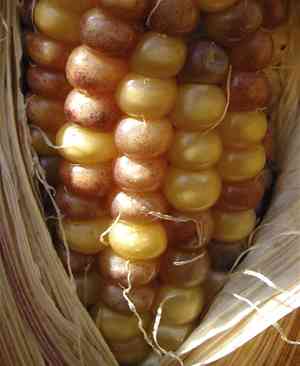
Bhabhar's splendor flourishes when moved during the gentle warmth of late spring. Provide a bright location with adequately draining earth to replicate its native environment, fostering development after transplantation. A helpful tip: delicate attention is crucial throughout this adjustment period.
Essential Preparations Before Relocating Bhabhar?
Optimal Period for Bhabhar Relocation?
The prime window for moving bhabhar spans from mid-spring to early summer. During this time, the mild climate and moderate temperatures create perfect conditions for bhabhar's root development and growth. Relocating within this timeframe ensures a strong start for your bhabhar, utilizing spring's nurturing environment to boost its year-round vitality. This strategic timing aligns with bhabhar's natural growth cycle, allowing it to fully benefit from the upcoming growing season.
Required Spacing Between Bhabhar Specimens?
When relocating your bhabhar, aim to provide ample room for each plant to thrive. A distance of approximately 18-24 inches (45-60 cm) between plants is suitable, ensuring they have sufficient space to grow without competing for resources.
Ideal Soil Blend for Bhabhar Relocation?
For optimal bhabhar health, prepare a welcoming environment with well-draining soil. Before planting, enrich the ground with a generous mix of compost or a balanced, slow-release fertilizer to give your bhabhar a nutritional head start.
Recommended New Location for Your Bhabhar?
Select a sunny spot for your bhabhar as they flourish in full sunlight. Find a location where they can receive at least 6-8 hours of direct sun daily - they'll reward you with vigorous, healthy growth!
Necessary Tools Before Relocating Bhabhar?
Shovel or Spade
For excavating the plant and preparing the new planting site.
Garden Fork
To gently loosen the soil around the plant without causing excessive root damage.
Watering Can or Hose
To hydrate the bhabhar prior to removal and following its relocation.
Trowel
For precise adjustments when positioning the plant in its new spot.
Pruning Shears
To trim any damaged roots or foliage before the relocation process.
Wheelbarrow or Garden Cart
To move the bhabhar from its original spot to the new location.
Gardening Gloves
To safeguard your hands while handling soil and the plant.
Measuring Tape
To ensure correct spacing between the newly dug planting holes.
Method for Extracting Bhabhar from the Ground?
Method for Extracting Bhabhar from the Ground?
From Ground: First, hydrate the bhabhar to moisten the soil, facilitating easier removal. Carefully dig a circle around the plant with a shovel or garden fork, being cautious not to cut too close to the roots. Gradually work your way beneath the root ball, and gently lift the plant from the ground.From Pot: Tap the sides of the container to loosen the soil. Tilt the pot sideways and carefully slide the bhabhar out while supporting its base. If it resists, use a trowel to gently release the soil along the pot's edges.From Seedling Tray: Moisten the soil in the tray to simplify removal. Use a trowel or your fingers to carefully lift the bhabhar seedlings from the tray, taking care not to harm the delicate roots.
Detailed Procedure for Relocating Bhabhar
Preparation
Prepare the new planting site by loosening the soil with a garden fork or spade to a depth equivalent to the bhabhar's root ball.
Digging Hole
Excavate a hole that is twice the width of the bhabhar's root ball to allow for easier root expansion.
Plant Inspection
Examine the bhabhar for any indications of disease or damage, trimming away affected areas with pruning shears.
Plant Positioning
Place the bhabhar in the center of the hole, ensuring it stands upright. The plant's base should be level with the ground surface.
Filling In
Backfill the hole with soil, gently firming it around the base to eliminate air pockets and ensure good soil contact with the roots.
Watering
Thoroughly water the bhabhar immediately after planting to settle the soil and provide moisture to the roots.
Post-Relocation Care for Bhabhar?
Consistent Observation
Inspect the bhabhar daily for the initial few weeks, looking for signs of stress or pest infestation. Address any issues promptly.
Mulching
Apply a layer of mulch around the bhabhar's base to help regulate soil temperature and retain moisture.
Pruning
Trim any damaged or excessively long roots and leaves before relocating to encourage new growth.
Support Structures
If the bhabhar is a tall variety, consider installing stakes or trellises to provide protection against wind.
Watering
Water the bhabhar deeply and regularly while preventing waterlogging, to aid in its establishment in the new location.
Resolving Common Issues with Bhabhar Relocation.
What's the optimal period for relocating bhabhar?
Relocate bhabhar when spring emerges, ideally mid-spring to late spring, for best acclimatization.
How much space should I leave between bhabhar plants?
Space bhabhar approximately 18-24 inches (45-60 cm) apart to allow each plant ample room to flourish.
Can bhabhar be relocated in summer or fall?
Relocating bhabhar in spring is preferred for root establishment before the harsh conditions of summer or winter.
Why are my relocated bhabhar plants wilting?
Wilting after relocation may indicate shock. Ensure adequate watering, avoid direct sunlight, and provide initial shade.
How deep should I plant bhabhar's roots?
Dig a hole that's twice the rootball's width but no deeper than the plant's original soil level.
Is it necessary to prune bhabhar during relocation?
Light pruning can help reduce relocation shock by balancing the root-to-shoot ratio.
How do I prepare the soil for bhabhar before relocating?
Enrich the soil with compost or well-rotted manure to supply nutrients and enhance drainage.
What's the watering schedule post-relocation for bhabhar?
Water thoroughly after relocating and maintain consistently moist, but not waterlogged, soil for the first few weeks.
Does bhabhar require any special care after relocating?
Beyond regular watering, shield bhabhar from strong winds and monitor for pests and diseases.
What if the leaves of bhabhar turn yellow after relocating?
Yellowing leaves may suggest over-watering or nutrient deficiency. Adjust watering and consider a balanced fertilizer.



