How to Prune Bhabhar?
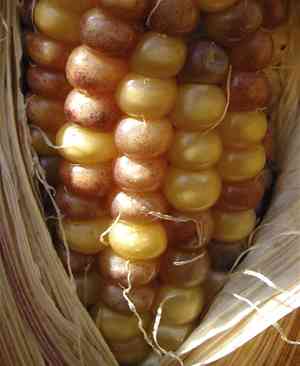
Trimming bhabhar, a resilient perennial grass, entails eliminating withered or desiccated foliage and stalks to preserve plant vitality and stimulate fresh development. The most suitable period for this maintenance is during its inactive phase, generally in early spring or winter, prior to the recommencement of active growth. Consistent trimming aids in improving air movement, fostering robust development, and elevating the caliber of raw resources for manufacturing purposes, including the production of ropes and mats. Customized pruning ensures an ideal plant configuration and dimensions.
Advantages of Trimming Bhabhar
Advantages of Trimming Bhabhar
Trimming bhabhar encourages vigorous new growth, ensuring a strong structure. Regular cutting helps maintain its desired form, improving air circulation and light penetration, vital for bhabhar's health and output.
Optimal Period for Pruning Bhabhar
Optimal Period for Pruning Bhabhar
For the plant species bhabhar, the best times for pruning are early spring and winter. These periods are ideal as they align with the plant's dormant phase, when metabolic activity is low, and the impact of pruning is minimal. In early spring, just before growth begins, pruning can stimulate new growth, shape the plant, and remove any dead or damaged foliage from winter, directing the plant's resources towards healthy development. Winter pruning is beneficial because the plant is dormant, making it less vulnerable to stress, diseases, and pests common in warmer months. Additionally, the leafless state in winter provides better visibility for identifying and removing specific branches or parts that are diseased, damaged, or poorly structured. Avoid pruning in late spring and summer, as this can disrupt the growth and flowering cycle, potentially reducing plant vigor and health.
Required Tools for Pruning Bhabhar
Hand Pruners
Perfect for trimming smaller stems and branches of bhabhar. Their precise blades ensure clean, close cuts without harming plant tissues.
Lopping Shears
Suitable for cutting through thicker stems and branches, especially if bhabhar has become woody. Their long handles provide leverage for easier cutting.
Pruning Saw
Essential for any substantial stems or branches too thick for hand pruners and loppers. A fine-toothed pruning saw is best for clean cuts without tearing plant tissue.
Hedge Shears
Useful for shaping and managing the growth of bhabhar if it's used as a hedge or for more formal designs. The longer blades can cut multiple small stems simultaneously.
How to Prune Bhabhar
Clean tools
Sanitize pruning tools before starting. Use a disinfectant like rubbing alcohol or a bleach solution to prevent disease spread.
Identify
Examine bhabhar closely to find diseased and withered leaves. These often appear discolored, spotted, or dry compared to healthy foliage.
Cut diseased leaves
Carefully prune diseased leaves by cutting them at the base where they meet the stem. Ensure clean cuts to promote quick healing and avoid further stress to bhabhar.
Cut withered leaves
Trim withered leaves similarly by cutting at their base. These are typically older leaves that may be brown, crispy, or naturally falling off.
Dispose
Dispose of all removed material promptly and away from healthy plants. Never compost diseased plant matter as it can harbor pathogens.
Common Pruning Errors with Bhabhar
Over-pruning
Removing too much foliage from bhabhar at once can stress the plant, leading to stunted growth or even plant death.
Improper cutting method
Using dull or dirty cutting tools can cause jagged cuts that leave bhabhar vulnerable to infection and pests.
Neglecting health check
Failing to inspect bhabhar for signs of disease or pest infestation before pruning can lead to the inadvertent spread of problems.
Uniform trimming
Creating an unnatural, even shape by shear pruning bhabhar can inhibit its natural growth pattern and reduce its ornamental appeal.
Overlooking dead material removal
Not prioritizing the removal of dead or diseased material can leave bhabhar looking untidy and pose a health risk to the plant.
General Pruning Advice for Bhabhar
Sharp clean tools
Use sharp, clean pruning shears or scissors to make clean cuts that will heal quickly, minimizing stress on bhabhar.
Health and damage assessment
Before pruning, inspect bhabhar thoroughly for signs of damage or disease, focusing on removing only the affected areas to maintain plant health.
Natural shape maintenance
Prune bhabhar by following its natural form to encourage a more aesthetically pleasing and healthier plant structure.
Moderation
Practice moderation when pruning bhabhar, as excessive cutting can result in a weakened plant. Aim to remove only what is necessary for the health and shape of the plant.
Strategic cut placement
Place cuts just above a node or a side branch to stimulate bhabhar to grow more branches from that point, resulting in a fuller appearance.



