How to Transplant Desert stingbush?
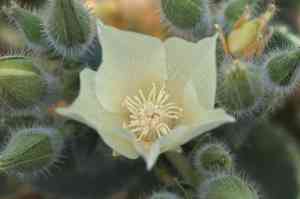
The most favorable period for relocating desert stingbush is during the gentle warmth of late spring transitioning into early summer, offering an ideal environment for root development. Select a location bathed in sunlight with soil that drains effectively to foster vigorous development, and if required, irrigate deeply after the move to help the roots settle.
Essential Preparations Before Relocating Desert Stingbush?
Optimal Period for Moving Desert Stingbush?
The best time to move desert stingbush is during the transition from late spring to early summer. This period offers mild weather, which aids root development without the stress of intense summer heat. Transplanting desert stingbush at this point encourages strong growth, allowing the plant sufficient time to adapt before temperatures rise. Selecting this season provides desert stingbush with the best start in its new spot, with extended daylight hours supporting recovery and vigorous development.
Required Spacing Between Desert Stingbush Plants?
When selecting a location for your desert stingbush, ensure adequate room for expansion! Position each plant approximately 12-18 inches (30-45 cm) apart. This spacing will allow for ample growth and proper air circulation, helping your desert stingbush flourish.
Ideal Soil Blend for Desert Stingbush Transplantation?
Desert stingbush thrives in soil that drains well! Before planting, incorporate some organic compost to enrich the soil. A slow-release, balanced fertilizer will supply your desert stingbush with the necessary nutrients to establish itself in its new home.
Recommended Location for Your Desert Stingbush?
Your desert stingbush loves sunlight, so choose a location where it can receive at least 6 hours of direct sun daily. Full sun exposure is perfect to ensure your desert stingbush remains vibrant and healthy in its new setting.
Tools to Prepare Before Transplanting Desert Stingbush?
Gardening Gloves
To safeguard your hands while handling soil and the plant.
Shovel or Spade
For excavating the desert stingbush from its original spot and preparing the new planting hole.
Pruning Shears
To trim any dead or damaged roots prior to transplanting.
Watering Can or Hose
To hydrate the desert stingbush before and after relocation to ease the transition.
Wheelbarrow
To move the desert stingbush and soil without causing strain or harm.
Garden Fork
To loosen the soil around the desert stingbush during its removal.
Root Pruner or Saw
To cut through larger roots if necessary when extracting the desert stingbush from its initial location.
How to Extract Desert Stingbush from the Soil?
How to Extract Desert Stingbush from the Soil?
From Ground: First, water the desert stingbush to moisten the soil. Next, use a shovel or spade to dig a wide trench around the plant, ensuring the root ball remains intact. Carefully work the tool beneath the root ball to lift the desert stingbush from its original position.From Pot: Start by watering the plant to make the soil damp, which helps minimize root damage. Turn the pot on its side, hold the desert stingbush at its base, and gently tap the bottom to release it. If needed, run a knife along the inner edge to help separate the root ball from the pot.From Seedling Tray: Dampen the soil in the tray to reduce root disturbance. Use a gardening tool, such as a dibbler or spoon, to gently lift the desert stingbush from its compartment, ensuring the root ball stays intact.
Step-by-Step Guide for Relocating Desert Stingbush
Prepare the New Site
Dig a hole in the ground that is twice the width and the same depth as the desert stingbush's root ball.
Examine the Roots
Inspect the roots once removed from their original spot. Trim any broken, dead, or excessively long roots with pruning shears.
Position desert stingbush
Place the desert stingbush in the center of the new hole, spreading its roots outwards. The top of the root ball should be level with the surrounding ground.
Replant desert stingbush
Gently backfill the hole with soil, lightly compacting it around the root ball. Water thoroughly to settle the soil and eliminate any air pockets.
Support desert stingbush
If desert stingbush is large or top-heavy, stake it to prevent wind damage. Secure the desert stingbush to stakes using soft materials like fabric strips or specialized plant ties.
Post-Transplant Care for Desert Stingbush?
Immediate Watering
Provide the desert stingbush with a thorough watering after transplanting to aid recovery from shock and supply essential hydration for the roots.
Mulching
Apply mulch around the base of the desert stingbush to help retain soil moisture and moderate temperature fluctuations.
Monitoring
Observe the desert stingbush for signs of transplant shock, such as wilting or yellowing leaves, and take corrective actions if necessary.
Staking
Ensure any support stakes are firm, and adjust ties as the desert stingbush grows to prevent them from cutting into the stems.
Observing Growth
Look for new growth as an indication of successful transplanting, suggesting that the desert stingbush is adapting to its new environment.
Addressing Common Issues with Desert Stingbush Transplantation.
When is the best time to transplant desert stingbush?
The ideal period is during the pleasant days of late spring to early summer, when growth potential is at its peak.
How much space should I leave between desert stingbush transplants?
Allow a generous spacing of 12-18 inches (30-45 cm) between each desert stingbush to ensure ample room for growth.
What's the ideal soil condition for transplanting desert stingbush?
Ensure a well-draining mixture, rich in organic material, for optimal establishment of desert stingbush.
How deep should I plant desert stingbush's roots?
The roots of desert stingbush should be buried just beneath the soil surface, without exposing the crown.
Do I need to water desert stingbush right after transplanting?
Absolutely, give desert stingbush a thorough drenching to settle the soil and remove any air pockets.
Should I prune desert stingbush during transplant?
A light trim to remove any damaged sections helps desert stingbush focus energy on root establishment.
Can I fertilize desert stingbush after transplanting?
Wait a few weeks post-transplant before applying fertilizer to encourage stable desert stingbush growth.
How do I protect transplanted desert stingbush from the sun?
Provide a shade cloth during the hottest part of the day for the initial couple of weeks.
My desert stingbush is wilting post-transplant. What do I do?
Ensure consistent soil moisture without overwatering, and shield desert stingbush from strong winds and intense sun.
Why are desert stingbush's leaves turning yellow after transplant?
This may indicate overwatering or poor drainage. Adjust watering and check soil conditions for desert stingbush.



