How to Prune Desert stingbush?
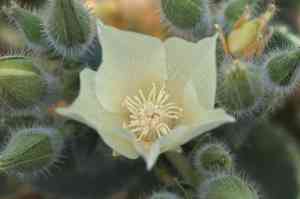
Regarding the Desert stingbush, a unique thorny bush, trimming efforts should concentrate on eliminating deceased or compromised sections and sculpting for visual appeal. The ideal period to trim Desert stingbush is in early spring or late winter, right before its growth cycle recommences. Pruning at this time stimulates robust new development, lessens the chance of illness, and preserves the intended structure. Consistent, meticulous trimming additionally enhances air movement and light access within the plant's core, contributing to its general well-being.
What Are the Benefits of Pruning Desert Stingbush?
What Are the Benefits of Pruning Desert Stingbush?
Trimming desert stingbush promotes robust development and helps maintain its desired form. By selectively removing parts of the plant, energy is redirected to healthier branches, fostering a strong structure and preventing excessive growth.
What Is the Best Time for Pruning Desert Stingbush?
What Is the Best Time for Pruning Desert Stingbush?
Trimming desert stingbush from late winter to early spring is ideal, as this period typically marks dormancy for many plants. This timing minimizes stress and supports vigorous growth once the active season begins. During dormancy, desert stingbush's sap flow is reduced, lowering the risk of excessive sap loss and disease entry that can occur with pruning in other seasons. Furthermore, the plant's structure is more visible without full foliage, allowing for more precise cuts. Additionally, pruning before the flush of new spring growth ensures the plant's energy is directed towards healing and supporting new shoots, promoting healthier and more vigorous development.
What Tools Do I Need to Prune Desert Stingbush?
Bypass Pruners
These are perfect for making clean cuts on the younger, green stems of desert stingbush. The blade 'bypasses' the other, creating a sharp and precise cut, which is better for the plant's health.
Thick Gloves
Desert stingbush is known for its stiff, stinging hairs, which can irritate skin. Wearing gloves protects the gardener from getting stung while pruning.
Long-sleeved Clothing
To prevent irritation from the plant's bristles, wearing long-sleeved clothing ensures the gardener's skin is covered while working with desert stingbush.
Pruning Saw
For mature, thicker branches that bypass pruners cannot handle, a pruning saw is necessary to cut through the wood without causing damage to the plant.
Loppers
If desert stingbush has branches that are too thick for bypass pruners but not quite thick enough for a saw, loppers make a good intermediate tool. They can cut through moderately-sized stems with more leverage.
How to Prune Desert Stingbush
Wear protection
Before beginning to prune desert stingbush, ensure you wear protective gloves and long sleeves to avoid the plant's stinging hairs and use clean, sharp pruning shears.
Disinfect tools
Disinfect pruning tools with a solution of 1 part bleach to 9 parts water or use rubbing alcohol to prevent the spread of disease while cutting desert stingbush.
Remove diseased material
Carefully identify and prune away any diseased leaves and branches from desert stingbush, making clean cuts at the base of the affected material to remove it entirely and improve plant health.
Trim dead material
Trim off any dead or withered leaves, as well as dead branches, by cutting back to the point of healthy growth to encourage new growth and maintain the desired shape of desert stingbush.
Cleanup
After pruning desert stingbush, promptly clean up and dispose of all removed plant material in a way that prevents the spread of disease, and sanitize your tools once more before storing them.
Common Pruning Mistakes with Desert Stingbush
Over pruning
Removing too much foliage at once can stress desert stingbush, hindering its ability to photosynthesize and grow properly. Aim for gradual thinning rather than drastic cuts.
Improper cut location
Cutting too close or too far from the node can result in poor healing and unwanted growth. Make clean cuts at the correct location to promote healthy recovery.
Using dull tools
Dull pruning tools can crush stems and branches instead of making clean cuts, making desert stingbush more susceptible to disease and pests.
Neglecting safety
Failing to wear protective gloves and long sleeves can lead to skin irritation due to desert stingbush's stinging hairs. Always protect skin when handling the plant.
Ignoring plant structure
Pruning without considering desert stingbush's natural growth pattern can lead to an unbalanced appearance and hinder potential flowering.
Improper disposal
Trimmed branches with stinging hairs should be carefully disposed of to prevent irritation to skin and eyes upon contact.
Common Pruning Tips for Desert Stingbush
Sterilize tools
Before pruning desert stingbush, sterilize tools using a solution like isopropyl alcohol to prevent the spread of diseases.
Focus growth
To encourage healthy growth and flowering, prune selectively; remove only damaged or overly dense branches to improve light penetration and air circulation.
Preserve structure
Maintain desert stingbush's natural shape by identifying and preserving the main structural branches, only trimming overgrowth or irregularities.
Healthy timing
While specific timing is excluded, ensure pruning is done when desert stingbush is most resilient to encourage recovery and minimize stress on the plant.
Prompt regeneration
Prune desert stingbush strategically to stimulate new growth where desired. Cut near nodes pointing in the direction of preferred growth.



