How to Transplant Redmahogany?
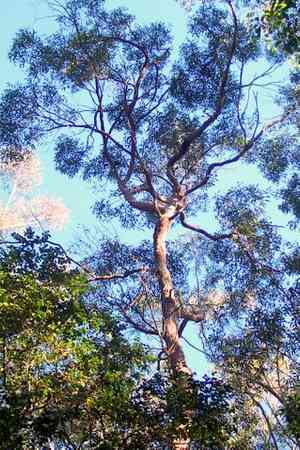
Relocating redmahogany is most effective during its active growth phase, spanning from early to late spring, thanks to the moderate climate. Select a bright, adequately drained spot with ample room. Perform the transplant only when the root system is robust, guaranteeing successful integration.
What Preparations are Needed Before Relocating Redmahogany?
What is the Optimal Period for Relocating Redmahogany?
Redmahogany flourishes most effectively when moved between early and mid-spring. This timeframe offers mild temperatures and ample moisture, enabling the plant to develop robust roots prior to the harsher summer conditions. Relocating during this season boosts growth, ensuring the perennial is firmly rooted and resilient, leading to a healthier and stronger plant.
How Much Distance Should You Maintain Between Redmahogany Plants?
For relocating redmahogany, aim for a separation of 8-12 meters (26-39 feet) between each specimen. This provides adequate room for development and air circulation.
What is the Best Soil Mixture for Redmahogany Relocation?
Prepare soil that drains well and is rich in organic material. Before relocating redmahogany, incorporate compost or a balanced slow-release fertilizer to supply essential nutrients for vigorous growth.
Where Should You Move Your Redmahogany?
Select a site that receives full sunlight for at least 6-8 hours daily. This guarantees redmahogany gets the necessary sun exposure to thrive and prosper.
What Equipment Should You Prepare Before Moving Redmahogany?
Gardening Gloves
To safeguard your hands while handling soil and the plant.
Shovel or Spade
Crucial for excavating the new planting hole and extracting the plant from its original spot.
Trowel
Useful for digging smaller holes and working in confined areas.
Watering Can or Hose
To hydrate the plant before and after relocation to help settle the soil.
Pruning Shears
For trimming any damaged or dead roots or branches during the relocation process.
Burlap or Plastic Sheet
To wrap the root ball and safeguard it during the move, especially for larger specimens.
How Do You Extract Redmahogany from the Soil?
How Do You Extract Redmahogany from the Soil?
From Ground: First, water the redmahogany plant to moisten the soil. Then, dig a wide trench around the plant using a shovel or spade, ensuring the plant's root ball remains intact. Carefully work the spade beneath the root ball to lift the plant from its original location.From Pot: Water the redmahogany plant thoroughly to loosen the soil. Gently tilt the container and tap its sides to dislodge the plant, then carefully slide the plant out, supporting the root ball with your hands.From Seedling Tray: Water the redmahogany plant gently. Using a trowel or your fingers, carefully lift each seedling from the tray, ensuring the roots remain intact and undamaged. Hold the seedlings by the leaves, not the stems, to prevent harm.
Step-by-Step Guide for Relocating Redmahogany
Prepare the New Site
Choose a suitable new spot in your garden. Ensure the area is ready by digging a hole that is at least twice the width of the root ball and of appropriate depth.
Remove the Plant from Original Location
Follow the method outlined in the extraction process section to carefully remove the redmahogany plant from its current position.
Inspect the Roots
Examine the plant's roots for any indications of damage or disease. Trim any compromised or excessively long roots with pruning shears.
Planting the redmahogany
Place the redmahogany plant into the prepared hole, ensuring it is at the same depth as it was in its previous spot. Fill the hole with soil, gently firming it around the roots to eliminate air pockets.
Watering
Water the plant thoroughly after relocation to help settle the soil and support the plant's establishment in its new environment.
How Do You Care For Redmahogany After Relocation?
Watering
Keep the soil around the redmahogany consistently moist, but not waterlogged, for the initial few weeks after relocation to aid in establishing strong roots.
Mulching
Apply a layer of mulch around the base of the redmahogany to help retain moisture and regulate soil temperature.
Monitoring
Regularly check the plant for signs of stress, such as wilting or discoloration, and address any issues promptly.
Pruning
Remove any damaged or dead leaves and branches to encourage new growth and reduce the plant's stress.
Troubleshooting Common Issues with Redmahogany Relocation.
When is the best time to relocate redmahogany?
The optimal period to relocate redmahogany is from early spring to late spring.
What spacing should I use for redmahogany?
Ensure a separation of 8-12 meters (26-39 feet) between redmahogany plants for optimal growth.
How do I prepare the soil for relocating redmahogany?
Prepare well-draining soil, enriched with organic matter, to help redmahogany establish roots swiftly.
How deep should the planting hole be?
Dig a hole twice as wide and the same depth as the root ball of redmahogany.
How much water does redmahogany need after relocating?
Water redmahogany thoroughly after relocating and maintain moist soil without waterlogging it.
What should I do if the leaves of redmahogany turn yellow after relocating?
Yellow leaves may indicate overwatering or poor drainage; ensure proper soil moisture levels.
How can I support redmahogany after relocating?
Use stakes to support redmahogany's trunk if it shows signs of bending or instability.
Is mulching necessary for relocated redmahogany?
Applying mulch around redmahogany helps retain soil moisture and control weeds.
How to prevent relocation shock in redmahogany?
Minimize root disturbance, maintain soil moisture, and avoid planting during extreme temperatures.
What fertilizer should I use for redmahogany after relocating?
Use a balanced, slow-release fertilizer to encourage healthy root and foliage growth in redmahogany.



