How to Prune Redmahogany?
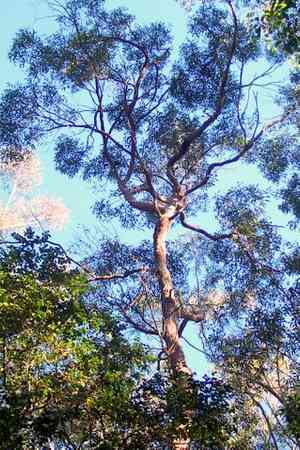
Redmahogany is recognized for its resilient character and thick leaf cover. Trim redmahogany during the latter part of winter or early spring to sculpt and manage its development. Concentrate on excising deceased or injured branches, intersecting boughs, and any shoots growing inward to foster air movement. Juvenile plants thrive when lightly trimmed to build a sturdy framework. Consistent trimming improves the visual attractiveness and well-being of redmahogany, guaranteeing vigorous development and a diminished likelihood of illness.
What Are the Benefits of Pruning Redmahogany?
What Are the Benefits of Pruning Redmahogany?
Redmahogany thrives with pruning, leading to robust growth and an ideal form. This not only enhances its visual appeal but also aids in pest and disease resistance, fostering healthy development by eliminating dead or crowded branches.
What Is the Best Time for Pruning Redmahogany?
What Is the Best Time for Pruning Redmahogany?
Trimming redmahogany in late winter and early spring is advised as it aligns with the plant's dormant phase before new growth emerges. This timing minimizes plant stress, lowers disease risk, and ensures more vigorous, healthier growth during the active season. Additionally, pruning then avoids disrupting its blooming cycle, encouraging better flowers and overall plant vitality.
What Tools Do I Need to Prune Redmahogany?
Hand Pruners
Hand pruners are perfect for trimming smaller branches and leaves near the trunk. They offer precision and control, crucial for maintaining redmahogany's shape and health.
Loppers
Loppers are vital for cutting medium-sized branches too thick for hand pruners. Their long handles provide extra leverage and reach, ideal for redmahogany's dense foliage.
Pruning Saw
A pruning saw is necessary for cutting larger branches that loppers cannot manage. Redmahogany can have thick, tough wood, so a curved-blade pruning saw can cut through it effectively.
Pole Pruner
Pole pruners are useful for reaching higher branches without a ladder. This tool is especially helpful given the height redmahogany can attain.
Gloves
Heavy-duty gloves protect hands from rough bark and improve tool grip. They are essential for safety and comfort when pruning redmahogany.
How to Prune Redmahogany
Sterilize tools
Clean pruning shears or scissors with rubbing alcohol to prevent disease transmission.
Identify affected areas
Examine redmahogany to pinpoint diseased and withered leaves, ensuring accurate distinction from healthy foliage.
Remove diseased leaves
Carefully cut diseased leaves at their base, near where the leaf stem meets the main branch. Ensure all affected tissue is removed to prevent further infection.
Trim withers
Cut away withered leaves by tracing their stems to the origin and making clean cuts just above a leaf node or the base.
Dispose debris
Immediately discard all pruned material in a sealed bag or burn it to prevent contamination or disease spread to other plants.
Common Pruning Mistakes with Redmahogany
Over-pruning
Removing too many branches at once can stress the plant, making it vulnerable to disease and reducing its vigor.
Incorrect Cutting Technique
Using dull or unsuitable tools can lead to jagged cuts that heal poorly, inviting pests and diseases.
Improper Branch Removal
Failing to remove branches correctly, such as cutting too close or too far from the trunk, can harm the main stem.
Ignoring Plant Health
Pruning without checking for disease signs can spread pathogens, further damaging the plant.
Random Pruning
Removing branches without a strategy can result in an unbalanced structure and poor development.
Common Pruning Tips for Redmahogany
Use Sharp Tools
Ensure all pruning shears and saws are sharp and clean to make precise cuts that heal well.
Cut at the Right Place
Always make cuts just outside the branch collar (the swollen area at the branch's base) to promote proper healing.
Remove Dead or Diseased Wood First
Prioritize removing any dead, damaged, or diseased branches to enhance overall plant health.
Prune for Structure
Focus on creating a balanced structure by removing branches that cross or grow inward, promoting better air circulation and light penetration.
Moderate Pruning
Avoid heavy pruning. Aim to remove no more than 20-30% of the plant's foliage at one time to prevent shocking the plant.



