How to Transplant Swamp gum?
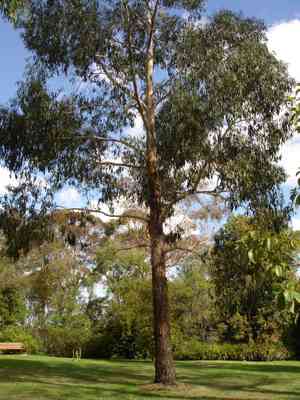
Swamp gum flourish most effectively when relocated between early and late spring, since the temperate climate aids in root development. Select a bright, adequately drained spot sheltered from strong gusts for peak development. Verify that the soil is damp yet not oversaturated to boost successful transplantation.
Essential Preparations Before Relocating Swamp Gum?
Optimal Timing for Moving Swamp Gum?
The best time to move swamp gum is from the beginning to the end of spring. Relocating during this period allows the plant to benefit from favorable growing conditions—milder temperatures and increased precipitation—which aid root establishment and development. This timing minimizes transplant stress and maximizes the plant's chances for successful adaptation and robust growth.
Required Spacing Between Swamp Gum Specimens?
When relocating swamp gum, ensure a distance of 10-16 feet (3-5 meters) between plants. This provides ample room for them to grow and flourish without becoming overcrowded.
Ideal Soil Mixture for Swamp Gum Relocation?
For swamp gum, prepare a soil blend that drains well and is rich in organic matter. Incorporating a phosphorus-rich base fertilizer can aid root development. Ensure the soil pH is slightly acidic to neutral (5.5-7).
Recommended Location for Your Swamp Gum?
Select a sunny spot for swamp gum that receives at least 6 hours of direct sunlight daily. This helps the plant perform optimally.
Equipment Needed Before Transplanting Swamp Gum?
Gardening Gloves
To safeguard your hands while handling soil and plants.
Shovel or Spade
For excavating the plant and preparing the new planting site.
Pruning Shears
To remove any damaged or dead roots and branches.
Wheelbarrow
To move the plant to its new spot if necessary.
Mulch
To cover the soil surface post-transplant, helping retain moisture and regulate temperature.
Stakes and Ties
To support the plant if it is tall or if windy conditions are expected.
Watering Can or Hose
For hydrating the plant before and after relocation.
How to Extract Swamp Gum from Its Current Location?
How to Extract Swamp Gum from Its Current Location?
From Ground: First, hydrate the swamp gum plant to moisten the soil. Then, dig a wide trench around the plant using a shovel or spade, ensuring the plant's root ball remains intact. Carefully work the spade beneath the root ball to gently lift the plant from its original spot.From Pot: Water the swamp gum thoroughly to make the soil easier to manage. Gently tap the pot's sides and bottom to loosen the root ball. Hold the plant at its base and tilt the pot sideways to slide the plant out, taking care not to harm the roots.From Seedling Tray: Water the seedlings first to minimize stress. Use a small tool like a dibber or a spoon to carefully lift each seedling, aiming to keep as much of the root system intact as possible. Handle seedlings by their leaves, not their stems, to prevent damage.
Step-by-Step Guide for Relocating Swamp Gum
Site Preparation
Begin by selecting a location that meets the swamp gum's sunlight and spacing requirements. Prepare the soil by loosening it and incorporating compost to ensure good drainage and nutrient availability.
Digging the Hole
Excavate a hole at the prepared site that is approximately twice as wide and the same depth as the plant's root ball. Ensure the hole's sides are rough to aid root establishment.
Planting
Position the swamp gum in the center of the hole. Make sure the top of the root ball is level with the surrounding soil surface. Backfill the hole with soil, gently pressing it down to remove air pockets.
Watering
Thoroughly water the plant after planting to help settle the soil around the root ball and provide initial moisture for the roots.
Mulching
Apply a layer of mulch around the plant's base, leaving some space around the stem to prevent rot. Mulching helps retain moisture and regulate soil temperature.
Staking
If necessary, drive stakes into the ground around the plant and use ties to secure it. This will provide stability, especially in windy conditions.
Post-Transplant Care for Swamp Gum
Watering
Keep the soil around the swamp gum consistently moist, but not waterlogged, for the initial weeks after transplanting to encourage strong root development.
Monitoring
Regularly inspect the plant for signs of distress, such as wilting or yellowing leaves, and adjust care as needed.
Weeding
Maintain a weed-free area around the plant to reduce competition for water and nutrients.
Pruning
Trim any damaged or dead branches to promote healthy growth and shape the plant.
Mulch Maintenance
Replenish mulch as required to maintain a consistent layer around the plant.
Resolving Common Issues with Swamp Gum Relocation.
What is the optimal season for moving swamp gum?
Early to late spring is ideal for transplanting swamp gum to ensure robust growth.
What spacing is recommended for swamp gum plants?
Space swamp gum plants 10-16 feet (3-5 meters) apart for optimal growth and development.
How deep should the planting hole be?
Dig a hole twice as wide and as deep as the root ball for swamp gum.
How do I prepare the soil for swamp gum?
Ensure soil is well-draining and slightly acidic for the best conditions for swamp gum.
What if swamp gum leaves wilt after transplanting?
Water thoroughly and provide partial shade to reduce transplant shock for swamp gum.
How often should I water swamp gum after transplanting?
Water swamp gum deeply once a week for the first few months post-transplant.
Can I use fertilizer after transplanting swamp gum?
Avoid immediate fertilization. Wait a few weeks before applying a balanced fertilizer to swamp gum.
Is staking necessary for swamp gum after transplanting?
Stake swamp gum if planted in a windy area to provide support during establishment.
Should I prune swamp gum when transplanting it?
Light pruning can help reduce water loss, but avoid heavy pruning during transplanting of swamp gum.
What type of mulch is best for swamp gum?
Use organic mulch like wood chips around swamp gum to retain moisture and reduce weeds.



