How to Prune Swamp gum?
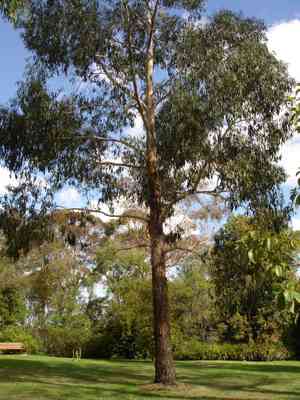
Eucalyptus ovata, a towering evergreen recognized for its resilience in moist habitats, greatly benefits from dormant season trimming. Essential methods involve excising lifeless or ailing limbs, reducing the density of the crown to facilitate sufficient light infiltration, and sculpting its development for robust architecture. Winter trimming coincides with the plant's inactive period, lessening strain and fostering robust development in the spring. Consistent pruning improves air movement, diminishes insect infestations, and preserves visual attractiveness, guaranteeing the vitality and extended lifespan of Eucalyptus ovata.
What Are the Benefits of Pruning Swamp Gum?
What Are the Benefits of Pruning Swamp Gum?
Trimming swamp gum promotes vigorous growth by eliminating dead or damaged limbs, maintains its form, enhances air circulation, and lowers disease risk. Regular trimming ensures the plant keeps its structural integrity and overall health.
What Is the Best Time for Pruning Swamp Gum?
What Is the Best Time for Pruning Swamp Gum?
Winter is considered the optimal period for pruning swamp gum for several reasons. During this season, swamp gum is in its dormant state, meaning it is not actively growing. Pruning during dormancy minimizes plant stress and reduces the likelihood of disease infiltration, as there are fewer active pests and pathogens. Additionally, the absence of leaves and reduced sap flow in winter make it easier to discern the plant's structure and remove any dead or diseased wood, ensuring a healthier growth cycle in the upcoming growing season.
What Tools Do I Need to Prune Swamp Gum?
Hand Pruners
Perfect for smaller branches and precise cuts, especially for minor shaping tasks on swamp gum.
Lopping Shears
Useful for cutting thicker branches that hand pruners cannot manage. The leverage allows for cleaner cuts.
Pruning Saw
Essential for larger branches due to swamp gum's potential size. Ensures clean cuts that promote healthy healing.
Pole Pruner
Necessary for reaching higher branches safely without the need for ladders, allowing for efficient pruning of tall growths.
Anvil Pruners
Best for dead wood or very tough branches as they provide more power. Ensure not to use on green wood to avoid damage.
How to Prune Swamp Gum
Inspect
Carefully examine swamp gum to identify dead and diseased branches. These branches typically lack leaves, are discolored, or show signs of damage.
Sanitize
Sanitize pruning tools with a solution of one-part bleach to nine parts water to prevent the spread of any diseases that may be present. This is crucial, especially when dealing with diseased branches.
Remove dead
Begin by trimming the dead branches. Cut back to live wood, making sure to make clean cuts to avoid damaging the plant. Use pruning shears for small branches and saws for larger ones.
Cut diseased
Carefully remove diseased branches by cutting at least 6 inches below the affected area to ensure complete removal of the disease. Ensure each cut is made at a slight angle to facilitate water runoff.
Dispose
Dispose of the removed dead and diseased branches properly. Do not compost these, as the diseases can spread. Instead, discard or burn them according to local regulations.
Common Pruning Mistakes with Swamp Gum
Over-pruning
Removing too much foliage can stress swamp gum, leading to poor growth and increased susceptibility to diseases and pests.
Incorrect cuts
Making improper cuts can result in ragged wounds that are slow to heal, increasing the risk of infection and disease.
Timing errors
Pruning at the wrong time can disrupt swamp gum's natural growth cycle, potentially causing it to produce weaker growth or fail to flower properly.
Using dull tools
Blunt cutting tools can crush branches instead of making clean cuts, which can harm the plant and open it up to diseases.
Neglecting maintenance
Failing to regularly prune can lead to an overgrown and unmanageable plant, which may hinder airflow and sunlight penetration.
Common Pruning Tips for Swamp Gum
Use sharp, clean tools
Always prune with sharpened and sterilized tools to make clean cuts that heal quickly, reducing the risk of disease.
Make clean cuts
Ensure all cuts are clean and smooth, avoiding jagged edges which can be an entry point for infections.
Cut at the right place
When removing branches, cut just outside the branch collar rather than flush with the trunk to encourage proper healing.
Light pruning regularly
Perform light pruning on a regular basis to maintain shape and remove dead or diseased wood, rather than making large cuts infrequently.
Avoid heavy pruning
Limit the amount of foliage removed during any single session to prevent overwhelming the plant's ability to recover.



