How to Propagate Swamp gum?
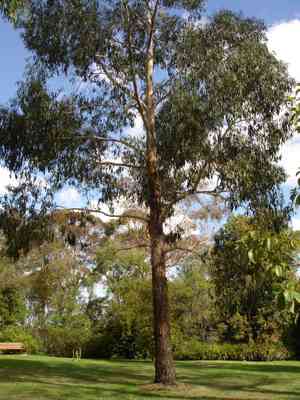
Eucalyptus ovata, a resilient tree, thrives in damp environments. Reproduction is generally achieved via cuttings, ideally sourced from semi-lignified portions for peak performance. To facilitate successful root development, guarantee a damp yet not saturated growing medium. Sustaining steady humidity and warmth is crucial. Employing a rooting stimulant can boost the chances of success. After rooting, juvenile plants require progressive acclimatization to external conditions prior to their permanent placement.
Optimal Period for Swamp Gum Propagation
Propagation Method
Cutting
Propagation Period
Autumn,Winter
Tools for Swamp Gum Propagation
Pruning Shears
Utilized for obtaining cuttings from swamp gum. These must be sharp and clean to ensure precise cuts and minimize harm to the parent plant.
Rooting Hormone
Aids in stimulating root growth on cuttings by supplying essential hormones and nutrients. Crucial for enhancing the likelihood of successful root formation in swamp gum.
Propagation Trays
Offer a regulated setting for cuttings to root. They assist in maintaining moisture and provide good air circulation, which is vital for swamp gum cuttings.
Humidity Dome
Sustains the required humidity levels for the cuttings. Swamp gum needs high humidity to prevent cuttings from drying out and to encourage root development.
Sterile Potting Mix
Ensures proper drainage and aeration, which are essential for root development in swamp gum cuttings. The mix should be sterile to prevent disease.
Heat Mat
Delivers consistent bottom warmth, which accelerates the rooting process. Swamp gum cuttings benefit from the increased temperature during the propagation phase.
Spray Bottle
Used to regularly mist the cuttings to maintain humidity without overwatering. Swamp gum requires careful moisture management for successful propagation.
How to Propagate Swamp Gum?
Propagation Type
Moderately Difficult
Caring for Your Newly Propagated Swamp Gum
Caring for Your Newly Propagated Swamp Gum
Once cuttings have rooted, gradually introduce the new plants to their natural environment by exposing them to more direct sunlight. Replant them into individual containers filled with a well-draining, fertile soil mixture. Water the young plants consistently, allowing the soil to dry slightly between waterings, and shield them from frost. Trim any damaged or weak growth to encourage robust, healthy development.
Common Errors to Avoid When Propagating Swamp Gum
Improper Soil Use
Employing soil that drains poorly or lacks adequate nutrients can impede root development.
Overwatering
Excessive moisture can lead to root rot and fungal problems.
Underwatering
Insufficient moisture can cause cuttings to dehydrate and fail to root.
Incorrect Cutting Techniques
Using dull tools or taking cuttings of unsuitable size can decrease the chances of successful propagation.
Lack of Humidity Control
Without proper humidity, cuttings can become dehydrated.
Inadequate Light
Low light levels can weaken cuttings and slow root development.
Advice for Propagating Swamp Gum
Utilize Well-Draining Soil
Ensure the planting medium drains effectively to prevent waterlogging and root rot.
Balance Watering
Keep the soil consistently moist but avoid water saturation.
Use Sharp, Clean Tools
Take cuttings with sterilized, sharp tools to avoid crushing stems and reduce disease risk.
Maintain Humidity
Use a propagator or cover cuttings with a plastic bag to maintain high humidity levels.
Provide Adequate Light
Ensure cuttings receive bright, indirect light to promote healthy growth.
Monitor for Pests
Regularly inspect cuttings for any signs of pests and address them promptly to prevent damage.



