How to Transplant Grand eucalyptus?
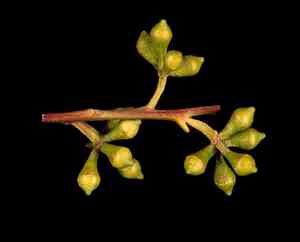
The optimal period for relocating grand eucalyptus coincides with the vigorous development of springâusually from the mild conditions of early spring until the onset of summer's heat. Select a sunny spot featuring soil that drains effectively. During the transplanting process, exercise care to safeguard the delicate root structure.
What Preparations are Needed Before Transplanting Grand Eucalyptus?
What is the Ideal Time for Transplanting Grand Eucalyptus?
The best period for moving grand eucalyptus is when nature revives, typically from the emergence of new buds until the full bloom of spring. This timing ensures grand eucalyptus establishes itself well before the intense heat of summer. Relocating grand eucalyptus during this renewal phase leverages the season's mild temperatures and increasing daylight, which are crucial for root development and minimizing stress, paving the way for strong growth.
How Much Space Should You Leave Between Grand Eucalyptus Plants?
When arranging grand eucalyptus, it's advisable to provide ample room for their development. Aim to space your grand eucalyptus approximately 25-40 feet apart (7.6-12.2 meters). This will allow their root systems to expand and prevent overcrowding as they mature.
What is the Best Soil Mix for Grand Eucalyptus Transplanting?
Prepare your soil by ensuring it drains effectively and has a pH ranging from slightly acidic to neutral. Incorporating a balanced, slow-release fertilizer at the base will supply your grand eucalyptus with the necessary nutrients for vigorous growth. A gentle reminder: Avoid excessive fertilization!
Where Should You Relocate Your Grand Eucalyptus?
Select a sunny spot for your grand eucalyptus as they thrive in bright conditions! Choose a location where they can receive full sunlight for most of the day to encourage robust growth and vitality.
What Equipments Should You Prepare Before Transplantation Grand Eucalyptus?
Gardening Gloves
To safeguard your hands while handling soil and plants.
Spade or Shovel
For excavating the plant and preparing the new planting site.
Wheelbarrow or Garden Cart
To move the grand eucalyptus and soil.
Garden Fork
To loosen and aerate the ground around the planting area.
Watering Can or Hose
For hydrating the grand eucalyptus prior to and following transplantation.
Pruning Shears
To trim any damaged or overly long roots or branches.
Mulch
To aid in moisture retention and regulate soil temperature around the new planting spot.
Stake or Tree Guard
To support the grand eucalyptus until it becomes settled in its new position.
How Do You Remove Grand Eucalyptus from the Soil?
How Do You Remove Grand Eucalyptus from the Soil?
From Ground: Water the grand eucalyptus thoroughly to make the soil easier to manage. Dig a wide circle around the grand eucalyptus to preserve a substantial portion of its roots. Carefully slide the spade beneath the root ball to gently lift the grand eucalyptus from the ground.From Pot: Water the grand eucalyptus and gently tap the pot's sides to loosen the soil. Turn the pot sideways, support the plant's base with your hand, and carefully extract the grand eucalyptus while keeping the root ball intact.From Seedling Tray: If the grand eucalyptus is in a seedling tray, water it first to moisten the soil. Use a dibber or small tool to carefully remove the seedling, taking care not to harm the delicate roots and stem.
Step-by-Step Guide for Transplanting Grand Eucalyptus
Preparation
Water the grand eucalyptus one day prior to transplanting to ensure the roots are well-hydrated.
Plant Removal
Follow the appropriate guidelines from the removal process mentioned above based on the original location of your grand eucalyptus.
Prepare New Site
Dig a hole twice as wide and to the same depth as the grand eucalyptus's root ball. Amend the excavated soil with compost if necessary, avoiding fertilizers at this stage.
Placing the Plant
Position the grand eucalyptus in the center of the hole at the same depth it was previously growing, gently spreading out the roots.
Backfill the Hole
Carefully refill the hole with the excavated soil, gently firming it down to eliminate air pockets.
Watering
Water the grand eucalyptus thoroughly to settle the soil and hydrate the roots.
Mulching
Spread a layer of mulch around the base of the grand eucalyptus, keeping some distance from the trunk to prevent rot.
Staking
Insert a stake a few inches away from the root ball and loosely tie the grand eucalyptus to it for support if needed.
How Do You Care For Grand Eucalyptus After Transplanting?
Regular Watering
Ensure the grand eucalyptus receives adequate water, especially during the first few months after transplant, to establish its root system.
Mulch Management
Verify that mulch is properly placed and not directly touching the plant to prevent moisture-related diseases.
Pruning
Only trim dead or broken branches, avoiding shaping or extensive pruning until the grand eucalyptus has fully recovered from the transplant.
Staking Check
Monitor the staking, adjusting as needed to ensure the grand eucalyptus is stable but has room for growth.
Pest Monitoring
Regularly inspect for signs of pests or diseases and take prompt, suitable actions if any are detected.
Troubleshooting Common Issues with Grand Eucalyptus Transplantation.
When's the best time to transplant grand eucalyptus?
The ideal transplant period for grand eucalyptus is from early to late spring, ensuring a beneficial growth season ahead.
How far apart should I space grand eucalyptus when transplanting?
Allow grand eucalyptus ample room to thrive by spacing them 25-40 feet (7.6-12.2 meters) apart, preventing overcrowding.
What size should the hole be for transplanting grand eucalyptus?
Excavate a hole that is twice the width of the root ball and of equal depth, ensuring comfortable placement.
How much should I water grand eucalyptus after transplanting?
Following transplant, provide a deep watering to settle the soil around the roots, then maintain consistent moisture.
Why is my grand eucalyptus wilting after transplant?
Wilting can indicate shock or dry roots. Ensure sufficient water and avoid direct sun for a few days post-transplant.
What soil conditions favor grand eucalyptus transplant success?
Aim for well-draining, fertile soil. Amend with organic matter if necessary to promote healthy root development.
Should I fertilize grand eucalyptus when transplanting?
Refrain from immediate fertilization. Allow grand eucalyptus to settle for several weeks, then apply a balanced fertilizer.
How deep should I water grand eucalyptus during establishment?
Water deeply, saturating the root zone, typically 10-12 inches (25-30 cm) deep, to encourage roots to anchor and grow.
Can I transfer grand eucalyptus during the hottest months?
It's preferable to transplant grand eucalyptus during milder temperatures to reduce stress and allow acclimatization.
What's the sign of a successful grand eucalyptus transplant?
New, healthy leaf growth indicates that grand eucalyptus is adapting well to its new location.



