How to Prune Grand eucalyptus?
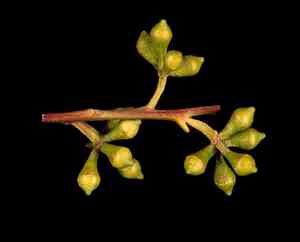
This lofty, rapidly developing evergreen is recognized for its elevated, upright stem and sleek-barked foliage. Essential trimming methods involve detaching lower limbs to foster vertical growth (termed 'crown elevation') and judicious thinning to preserve form and vigor. The most suitable period for pruning is during winter, when the tree exhibits reduced susceptibility to strain and ailments. Pruning improves wood quality by minimizing imperfections and guarantees security by eliminating fragile or compromised branches.
What Are the Benefits of Pruning Grand Eucalyptus?
What Are the Benefits of Pruning Grand Eucalyptus?
Trimming grand eucalyptus promotes robust development and maintains its desired form. Strategic cuts enhance light penetration and air circulation, crucial for vigorous health. Formative pruning shapes the grand eucalyptus structure, fostering a strong framework for future growth.
What Is the Best Time for Pruning Grand Eucalyptus?
What Is the Best Time for Pruning Grand Eucalyptus?
Pruning grand eucalyptus during winter is ideal as the plant is typically dormant, not actively growing. Trimming in this season minimizes stress on grand eucalyptus and reduces the risk of disease entering through pruning wounds. Winter pruning also allows for easier assessment of the plant's structure due to leaf drop in deciduous types and encourages vigorous growth the following spring. This timing avoids disrupting flowering or fruiting cycles typical of grand eucalyptus's growth pattern, which could decrease subsequent yield. Additionally, it prevents sap leakage, which can be more pronounced during periods of active growth.
What Tools Do I Need to Prune Grand Eucalyptus?
Hand Pruners
For small branches under 1 inch in diameter, hand pruners are perfect for making clean cuts without harming grand eucalyptus.
Loppers
For medium-sized branches up to 2 inches thick, loppers offer the leverage needed to trim grand eucalyptus with less effort.
Pruning Saw
For larger branches exceeding 2 inches in diameter, a pruning saw is essential to cut through grand eucalyptus's dense wood without causing tearing or splitting.
Pole Pruner
To reach higher branches on grand eucalyptus without a ladder, a pole pruner provides extended reach while ensuring safety.
Hedge Shears
For shaping and controlling the growth of grand eucalyptus when cultivated as a hedge, hedge shears allow for trimming numerous small twigs simultaneously.
Chainsaw
Only use a chainsaw for removing very large branches or felling grand eucalyptus, and ensure proper safety measures are in place due to the tool's high risk.
How to Prune Grand Eucalyptus
Identification
Examine grand eucalyptus thoroughly to pinpoint all dead and diseased branches that need removal. Look for branches that are dry, brittle, discolored, or show any signs of fungal infection.
Preparation
Sanitize your pruning tools with a solution of one part bleach to nine parts water to prevent disease spread. Ensure tools are sharp for clean cuts.
Cutting Dead Branches
Using the appropriate tool, such as loppers or a pruning saw, cut dead branches as close to the trunk as possible without damaging the branch collar. This aids in faster healing.
Cutting Diseased Branches
Trim diseased branches by cutting at least several inches into healthy wood beyond the affected parts to ensure all infected material is removed. Clean tools after each cut to prevent pathogen spread.
Cleanup
Dispose of all removed branches properly by burning or bagging them. Do not compost as this could allow diseases to spread to other plants.
Common Pruning Mistakes with Grand Eucalyptus
Overpruning
Removing too much foliage from grand eucalyptus can stress the tree, leading to poor health and reduced vigor. It's crucial not to remove more than 25-30% of the crown in any single season.
Improper Cut Location
Cuts made too close to the trunk can damage the collar, hindering the healing process, while cuts too far from the trunk can leave a stub susceptible to pests and disease.
Tearing Bark
Making an incorrect cut can result in the bark tearing away from grand eucalyptus, causing significant damage to the cambial layer, which can be detrimental to the tree's health.
Not Disinfecting Tools
Grand eucalyptus's open wounds can easily become infected. It's crucial to disinfect pruning tools between cuts, especially when moving from one tree to another, to minimize the spread of disease.
Pruning Young Trees Heavily
Young grand eucalyptus should not be heavily pruned as they need to develop a strong framework of branches. Overpruning can delay this essential development.
Neglecting To Prune
While grand eucalyptus requires minimal pruning compared to other species, complete neglect can lead to a dense canopy with poor air circulation, increasing the potential for disease.
Common Pruning Tips for Grand Eucalyptus
Correct Tool Selection
Use sharp, clean tools suitable for the size of the branches being trimmed. For grand eucalyptus, this might include hand pruners for small branches, loppers for medium branches, and a saw for larger limbs.
Clean Cuts
Make clean cuts at a slight angle, just above a bud or branch that is facing the direction you want new growth to go. This will help grand eucalyptus to heal more quickly and encourage proper tree form.
Three Cut Method
For large branches, use the three-cut method on grand eucalyptus to prevent bark tearing. The first cut should be a notch made on the underside of the branch, followed by a second cut outside of, but further down from the notch, and the final cut at the branch collar to remove the stub.
Thin Out Not Head Back
Thin out grand eucalyptus by removing entire branches to the point of origin to maintain the natural form and promote better airflow. Avoid heading back, which is the indiscriminate cutting of branches, as this can result in weak growth.
Focus On Dead Damaged Diseased
Regularly remove dead, damaged, or diseased wood from grand eucalyptus. This not only cleans up the appearance but also prevents the spread of pests and diseases.
Maintain Tree Structure
When pruning grand eucalyptus, aim to maintain a strong tree structure with well-spaced main branches and a clear central leader. This will promote tree health and longevity.



