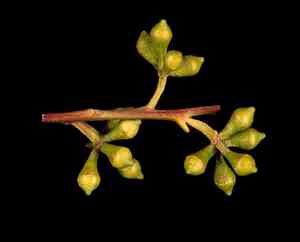
Grand eucalyptus (Eucalyptus grandis)
Also known as: Flooded gum
The grand eucalyptus tree, known for its smooth bark and towering height (commonly up to 50 meters, with some reaching over 80 meters), serves various purposes. Its wood is highly sought after for construction and manufacturing, being utilized in flooring, boat building, paneling, and plywood. Additionally, the tree's strong, fast-growing nature makes it ideal for producing paper pulp. Environmentally, it is valuable for stabilizing riverbanks and preventing erosion.
In This Article
Attributes of Grand eucalyptus
Lifespan
Perennial
Plant Type
Tree
Plant Height
50 m
Spread
20 m
Leaf Color
Dark green
Flower Size
2 cm
Flower Color
White
Images of Grand eucalyptus
Quickly Identify Grand eucalyptus
1
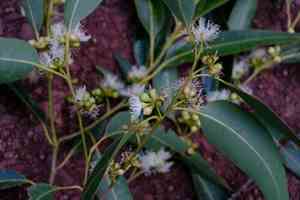
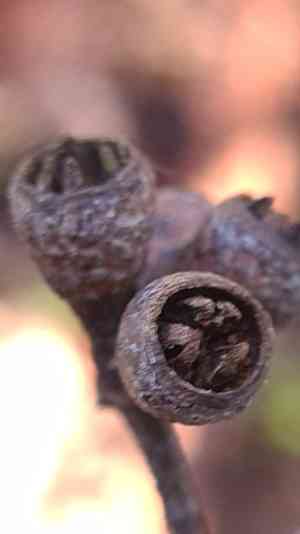
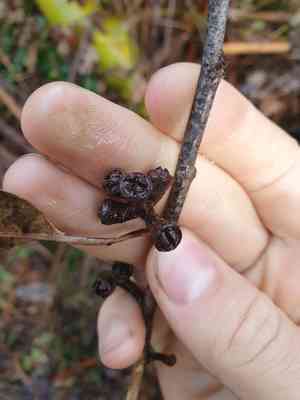
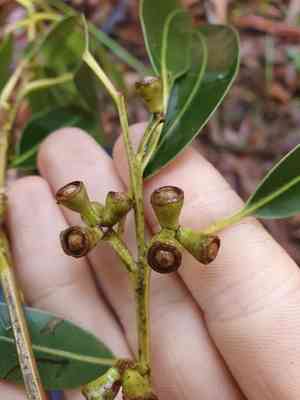
Eucalyptus grandis can be identified by its tall and straight trunk, smooth bark which can be white, grey, or light brown, and its lance-shaped leaves. The tree often sheds its outer bark in strips.
Scientific Classification of Grand eucalyptus
Phylum
Vascular plants
Class
Dicotyledons
Order
Myrtales
Family
Myrtle
Genus
Eucalypts
Species
Grand eucalyptus
Planting and Growing of Grand eucalyptus
Care Difficulty
Easy
Watering Schedule
Every 4 days
Sunlight Requirements
Full sun
Sunshine Duration
6-10 hours
Ideal Temperature
60-77℉
Soil Type
Potting Mix, Peat Mix
Soil pH
6.5-7.5
Fertilizer Type
Balanced
Pruning Season
Spring, Summer
Pruning Area
Branches, Leaves
Pruning Frequency
2 times a year
Repotting Season
Spring
Pot Type
Plastic, Ceramic
 How to Water Grand eucalyptus?
Eucalyptus grandis, commonly known as the Rose Gum, thrives in moist conditions but prefers well-drained soil. When watering, aim for the soil to be evenly moist but not soggy. About 1000 ml should be sufficient to penetrate deep into the root zone, promoting robust growth without waterlogging the plant.
What are the symptoms of an underwatered Grand eucalyptus?
›
What should I do if my Grand eucalyptus is not getting enough water?
›
What are the symptoms of an overwatered Grand eucalyptus?
›
How to save an overwatered Grand eucalyptus?
›
 What Are the Sunlight Requirements for Grand eucalyptus?
Eucalyptus grandis thrives in environments with full sun exposure, ideally between 6-8 hours daily. This improves photosynthesis rates, leading to more vigorous growth and enhanced disease resistance.
More About Sunlight Requirements Techniques→
What amount of light does Eucalyptus grandis need for optimal growth?
›
What solutions can be implemented to provide ideal lighting?
›
What benefits does Eucalyptus grandis gain from ideal lighting?
›
 What Is the Ideal Temperature Range for Grand eucalyptus?
What is the ideal temperature range for Eucalyptus grandis growth? The ideal temperature range for Eucalyptus grandis is between 60°F and 77°F. This range helps ensure optimal growth and physiological functioning. Within this temperature range, the plant can carry out photosynthesis efficiently, manage water loss appropriately, and exhibit strong cellular functioning. Maintaining temperatures within this band helps to reduce stress on the plant and promotes vigorous growth.
 What Soil is Best for Grand eucalyptus?
Eucalyptus grandis thrives best in well-drained soils that prevent waterlogging. This condition is beneficial for the plant as it avoids root rot that can occur in poorly drained conditions, ensuring healthy growth and robustness. High organic content is favorable for Eucalyptus grandis, ensuring that it has a constant supply of essential nutrients. This setup enhances growth rates and facilitates the tree's ability to produce a dense, healthy foliage. While well-drained soils are important, the ability to retain some moisture is also crucial for Eucalyptus grandis. This balance ensures that the plant remains hydrated, particularly during dry spells, without succumbing to water stress.
 How to Fertilize Grand eucalyptus?
For Eucalyptus grandis, the ideal amount of fertilizer depends on factors such as soil type, age of the tree, and environmental conditions. A balanced approach involves applying about 1/2 pound of 10-10-10 fertilizer for young trees annually, increasing to 2 pounds for mature trees. It is crucial to adjust this based on soil nutrient tests and specific growth responses.
 How to Prune Grand eucalyptus?
Make sure to use clean and sharp pruning shears to get a precise cut. This will minimize damage to the plant and promote healing. Always sterilize your tools before and after use to prevent the spread of any potential diseases. Always make clean cuts at a 45-degree angle, just above a bud. This not only helps in water runoff but also encourages better regrowth, as the plant will channel energy effectively to the cut area. Eucalyptus grandis tends to have a rapid growth pattern. Understand the natural growth direction of your tree to avoid haphazard shaping. This will facilitate even growth and help in shaping mature trees into your desired form.
More About Pruning Techniques→
 How to Propagate Grand eucalyptus plant?
1
Soak the eucalyptus seeds in warm water for 24 hours to help break any dormancy and improve germination rates. Use a well-draining potting mix and plant the seeds shallowly.
2
Select healthy branches free from disease. Cut sections around 10-15 cm long. Dip the cut end in rooting hormone powder to encourage root development.
3
Collect shoot apexes or nodal sections under sterile conditions. Surface sterilize these tissue sections and place them on a nutrient agar medium suitable for eucalyptus.
 How to Repot Grand eucalyptus plant?
1
Eucalyptus grandis should be repotted when its roots start growing out of the drainage holes. This indicates that the plant is root-bound and needs more room to grow. Additionally, if the growth of the plant seems stunted or the soil drains too slowly, these are signs it's time to repot.
2
Choose a pot that is 1-2 inches larger in diameter than the current one. Ensure it has adequate drainage holes, which help prevent water logging and root rot. This additional space encourages healthy root expansion and better overall plant growth.
3
Selecting well-draining loamy soil is crucial. This type of soil retains the necessary moisture without becoming waterlogged, which can lead to root rot. Its texture is ideal for providing the essential balance of air, moisture, and nutrients.
Toxicity
Ingestion
WARNING
The judgment on toxicity and danger is for reference only. We DO NOT GUARANTEE any accuracy of such judgment. Therefore, you SHALL NOT rely on such judgment. It is IMPORTANT TO SEEK PROFESSIONAL ADVICE in advance when necessary.



