How to Transplant Apple box?
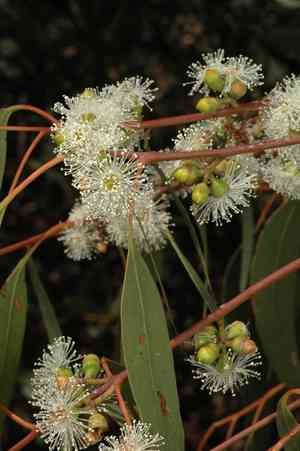
Apple box flourishes when relocated in the initial to middle part of spring, allowing sufficient duration for root establishment prior to summer. Optimal environments feature a bright, adequately drained spot. Steer clear of frequently disturbed zones to minimize strain.
What Preparations are Needed Before Transplanting Apple Box?
What is the Ideal Time for Transplanting Apple Box?
Apple box, a perennial plant, should be moved during early to mid-spring for optimal outcomes. Relocating at this time leverages the mild weather and upcoming growth period, which helps lessen transplant shock and fosters robust root development. This timeframe allows the plant to settle before summer heat, ensuring healthier growth and progress.
How Much Space Should You Leave Between Apple Box Plants?
When relocating apple box, ensure you position the plants approximately 15-20 feet (4.5-6 meters) apart. This provides ample room for development and aids in maintaining good air circulation among plants.
What is the Best Soil Mix for Apple Box Transplanting?
For apple box, prepare a well-draining soil rich in organic matter. A loamy soil blend performs best. Incorporate a balanced, all-purpose base fertilizer into the soil before planting to supply essential nutrients and encourage healthy growth.
Where Should You Relocate Your Apple Box?
Select a sunny location for apple box, as it flourishes in full sunlight. Ideally, the spot should receive at least 6-8 hours of direct sun daily to support its growth and blooming.
What Equipments Should You Prepare Before Transplantation Apple Box?
Gardening Gloves
To safeguard your hands while handling soil and plants.
Shovel or Spade
For excavating around the plant and creating the new planting site.
Watering Can or Hose
To hydrate the plant before and after its relocation.
Pruning Shears
To trim any damaged roots or branches during the moving process.
Wheelbarrow or Tarp
To transport the plant from its original spot to the new planting area.
Garden Fork
To gently loosen the soil around the plant if necessary.
Mulch
To help retain moisture in the soil following transplantation.
How Do You Remove Apple Box from the Soil?
How Do You Remove Apple Box from the Soil?
From Ground: First, water the apple box plant to moisten the soil. Then, dig a wide trench around the plant using a shovel or spade, ensuring the plantâs root ball remains intact. Carefully work the spade under the root ball to lift the plant from its original location.From Pot: Water the apple box plant thoroughly. Gently tap the sides of the pot to loosen the soil. Carefully slide the plant out of the pot by holding the base of the stem and tilting the pot.From Seedling Tray: Water the apple box plant in the seedling tray. Use a small tool like a garden fork to gently lift the seedlings from the tray, handling them by the leaves to avoid damaging the delicate stems.
Step-by-Step Guide for Transplanting Apple Box
Site Selection
Choose a spot with adequate sunlight and room for your apple box plant to reach its mature size.
Prep the New Hole
Dig a hole in the new location that is twice as wide and equal in depth to the root ball of your apple box plant.
Amend the Soil
If required, mix in any necessary soil improvements to enhance drainage and fertility for the apple box plant.
Remove the Plant
Follow the appropriate steps from the removal process to carefully lift your apple box plant from its original location.
Place the Plant
Position the apple box plant in the prepared hole, ensuring it sits at the same depth as it was in its original location.
Backfill Soil
Fill the hole with soil gently but firmly to eliminate air pockets around the root ball.
Water Thoroughly
Give the apple box plant a deep watering to settle the soil and help the roots establish in the new location.
Add Mulch
Apply a layer of mulch around the base of the plant to retain moisture and regulate soil temperature.
How Do You Care For Apple Box After Transplanting?
Watering
Keep the soil around the apple box consistently moist, but not waterlogged, for the initial weeks after transplanting to aid in developing strong roots.
Monitoring
Inspect the plant regularly for indications of stress, such as wilting or yellowing foliage, and adjust care as needed.
Mulching
Replenish the mulch as necessary to maintain an effective mulch layer and prevent weed growth.
Pruning
Remove any damaged or dead branches to lessen stress on the apple box and encourage healthy development.
Protection
If transplanting in an area with strong winds or direct sun, consider providing temporary shade or wind protection to reduce transplant shock.
Troubleshooting Common Issues with Apple Box Transplantation.
When is the best time to transplant apple box?
Relocate apple box in early to mid-spring for optimal growth and establishment.
What is the ideal spacing for transplanting apple box?
Allow 15-20 feet (4.5-6 meters) between each plant to ensure proper development.
How deep should I dig the hole for apple box?
Excavate a hole twice the width and as deep as the root ball.
What soil type does apple box prefer?
Apple box thrives in well-draining soil with a neutral to slightly acidic pH level.
How much water does apple box need after transplanting?
Apple box requires regular watering, keeping the soil moist but not saturated.
How can I reduce transplant shock in apple box?
Utilize root stimulator and avoid disturbing the roots to minimize transplant shock.
Should apple box be fertilized immediately after transplanting?
Wait a few weeks before fertilizing apple box, allowing it to establish first.
How do I protect apple box from strong winds after transplanting?
Use stakes to securely tie apple box, providing support against strong winds.
What should I do if the leaves of apple box start to wilt?
Ensure adequate watering and mulch around the base to retain moisture.
How do I know if apple box is successfully transplanted?
New growth and healthy leaves indicate successful transplanting of apple box.



