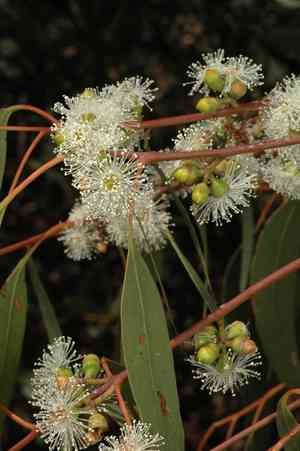
Apple box (Eucalyptus bridgesiana)
Also known as: Apple Box, But But
The Apple Box tree, scientifically known as *Eucalyptus bridgesiana*, is an Australian eucalypt recognized for the exceptional honey produced by bees from its flowers. Named in honor of Frederick Bridges (1840–1904), a distinguished Australian education officer, this tree has notably softer wood compared to other eucalypts, making it less ideal for firewood and timber.
In This Article
Attributes of Apple box
Lifespan
Perennial
Plant Type
Tree
Plant Height
20-25 meters
Spread
10-15 meters
Leaf Color
Dark green to grey-green
Flower Size
1-2 cm
Flower Color
White
Images of Apple box
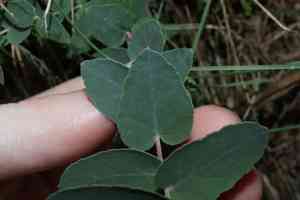
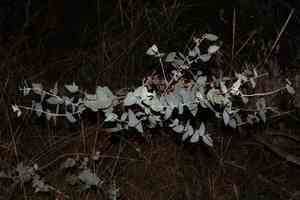
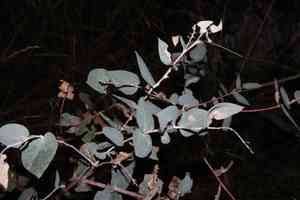
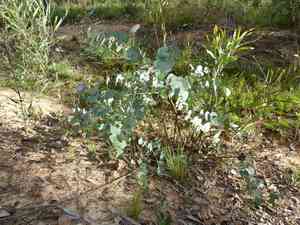
Quickly Identify Apple box
1
Eucalyptus bridgesiana can be identified by its rough, fibrous bark on the trunk and larger branches, smooth bark above, and lance-shaped adult leaves. The tree also produces small white flowers clustered in groups.
Scientific Classification of Apple box
Phylum
Vascular plants
Class
Dicotyledons
Order
Myrtales
Family
Myrtle
Genus
Eucalypts
Species
Apple box
Planting and Growing of Apple box
Care Difficulty
Moderate
Watering Schedule
Every 2 days
Sunlight Requirements
Full sun
Sunshine Duration
4-8 hours
Ideal Temperature
50-77℉
Soil Type
Potting Mix, Peat Mix
Soil pH
6.5-7.5
Fertilizer Type
Balanced
Pruning Season
Spring, Summer
Pruning Area
Branches, Leaves
Pruning Frequency
2 times a year
Repotting Season
Spring
Pot Type
Plastic, Terracotta
 How to Water Apple box?
For Eucalyptus bridgesiana, the principle of watering is to ensure that the soil remains moist but not waterlogged. Water the tree deeply, allowing the water to penetrate the soil around the root zone. Approximately 500 ml per watering should be sufficient for young trees, while mature trees require additional water to maintain optimal health and growth.
What are the symptoms of an underwatered Apple box?
›
What should I do if my Apple box is not getting enough water?
›
What are the symptoms of an overwatered Apple box?
›
How to save an overwatered Apple box?
›
 What Are the Sunlight Requirements for Apple box?
Eucalyptus bridgesiana thrives in full to partial sun conditions, with advantages including vibrant foliage and enhanced photosynthetic activity leading to stronger growth.
Optimal Time for Sunlight Exposure
›
Adjusting Sunlight in Varied Seasons
›
Ensuring Even Sunlight Distribution
›
 What Is the Ideal Temperature Range for Apple box?
Eucalyptus bridgesiana thrives best within a specific temperature range that balances its physiological processes. The ideal temperatures, ranging from 50°F to 77°F, support optimal growth, photosynthesis, and water retention. At these temperatures, the plant can maintain its metabolic functions efficiently, using nutrients effectively to support its structural development and resilience to pests and diseases.
 What Soil is Best for Apple box?
Eucalyptus bridgesiana thrives in well-drained soils which prevent waterlogging. This helps in averting root rot and ensures the plant gets adequate oxygen, aiding healthy root development. The plant prefers nutrient-rich soil that provides essential minerals and nutrients, fostering robust growth and improving resilience against pests and diseases. Soils that hold moderate moisture ensure a steady supply of water to the plant without saturation, promoting a healthy balance for optimal growth.
 How to Fertilize Apple box?
Eucalyptus bridgesiana prefers light fertilization. A general guideline is to apply about 100-150 grams of slow-release fertilizer per plant annually, as these trees are native to nutrient-poor soils and typically require less fertilization compared to more demanding species.
 How to Prune Apple box?
Ensure you have sharp, clean pruning shears, loppers, or a saw, depending on the branch size. Disinfect your tools with alcohol to prevent spreading any disease among plants. Begin by identifying and removing any dead, broken, or diseased branches. This prevents disease spread and promotes new growth. This tree also benefits from removing any branches that cross or rub against each other. Prune branches to open up the tree's canopy, improving air circulation and exposure to sunlight. Focus on maintaining the tree’s natural shape and balance while promoting a strong structure. When cutting, make clean, angled cuts just outside the branch collar. This helps the tree to heal quickly and reduces the risk of infection. Avoid leaving stubs or cutting into the trunk.
More About Pruning Techniques→
 How to Propagate Apple box plant?
1
Collect mature seeds from the Eucalyptus bridgesiana's seed capsules. Allow the capsules to dry and open naturally to release the seeds. This ensures that the seeds you plant are mature and viable.
2
Use a well-draining, sterile seed-starting mix. Fill seed trays with this mix, leaving about 1 cm from the top for watering. This mixture provides a clean environment, reducing the risk of damping-off.
3
Select healthy, disease-free stems from an established plant, ideally 10-15 cm long. Make a clean cut just below a node, remove lower leaves, and use a rooting hormone. Properly prepared cuttings have a higher chance of rooting successfully.
 How to Repot Apple box plant?
1
You'll know it's time to repot Eucalyptus bridgesiana when you see roots coming out of the drainage holes or the plant's growth starts to slow down. Another sign is the soil drying out quickly after watering, indicating the plant has outgrown its pot.
2
Select a container that is about 2 inches larger in diameter than the current pot. This provides enough space for root expansion while avoiding an overly large pot that can lead to water retention and root rot. Ensure the pot has ample drainage holes.
3
Opt for a well-draining loamy soil mix that retains some moisture but doesn’t stay soggy. A balanced mix facilitates root growth and prevents the roots from sitting in water, which can cause root rot and stunt the plant's growth.
Learn More About Apple box Diseases
Anthracnose
Bacterial Leaf Spot
Black Spot
Chemical Injury
Crown Gall
Damping-off
Downy Mildew
Drought Stress
Fusarium Wilt
Gray Mold
Leaf Spot
Mosaic
Nutrient Deficiency
Nutrient Toxicity
Powdery Mildew
Root Rot
Root-knot Nematode
Rusts
Sooty Mold
Spider Mites
Temperature Stress
Thrips Damage
White Mold



