How to Prune Apple box?
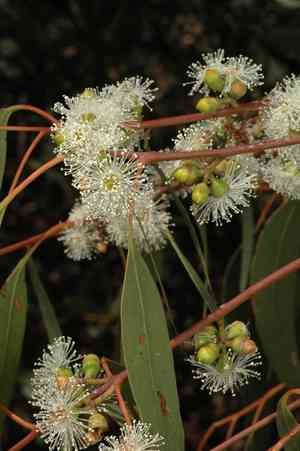
Recognized for its vigorous development and lustrous foliage, apple box thrives with trimming performed from late winter through early spring. Initiate the process by excising any lifeless or ailing limbs, then proceed to thin out congested sections to facilitate light access. Consistent, moderate trimming averts excessive density and sustains a sturdy framework. This practice not only enhances air circulation, thereby lowering the potential for disease, but also stimulates robust new development. Always employ disinfected implements to avert contamination.
What Are the Benefits of Pruning Apple Box?
What Are the Benefits of Pruning Apple Box?
For apple box, trimming promotes robust development and assists in maintaining a desired form, leading to a more visually appealing structure and preventing the plant from becoming unruly or excessively large. Additionally, it aids in eliminating dead or diseased limbs, fostering overall plant vitality.
What Is the Best Time for Pruning Apple Box?
What Is the Best Time for Pruning Apple Box?
Trimming or cutting apple box in early spring or late winter is ideal as it coincides with the plant's dormant phase. During this period, apple box is not actively growing, which minimizes stress and lowers the risk of pest infestations or diseases entering through fresh cuts. Furthermore, performing pruning before the start of the growing season ensures better shape management and encourages healthy, vigorous new growth once warmer weather arrives. Early spring and late winter timing also reduces disruption to the plant's natural flowering or fruiting cycles, promoting overall health and productivity.
What Tools Do I Need to Prune Apple Box?
Bypass Pruning Shears
Perfect for precise cuts on small branches and stems. Their scissor-like action provides a clean cut, encouraging quicker recovery.
Lopping Shears
Suitable for larger branches that are too thick for bypass pruning shears. They offer greater leverage and cutting capacity without harming the plant.
Pruning Saw
Essential for cutting through thick, woody branches. A pruning saw ensures clean cuts, preventing tearing or shredding.
Pole Pruner
Useful for reaching and trimming high branches without needing a ladder. Ensures safety and accuracy when dealing with taller growth.
How to Prune Apple Box
Assess
Carefully examine apple box to pinpoint dead and diseased branches. Look for discolored, brittle, or visibly infected sections.
Clean Tools
Ensure all pruning tools, such as shears and saws, are disinfected to prevent disease spread. Use a solution of one part bleach to nine parts water for sanitizing.
Remove Dead
Start by removing dead branches using clean cuts near the base of each dead branch. Cut at an angle to prevent water accumulation on the cut surface.
Remove Diseased
Trim diseased branches several inches below the visibly affected area. Dispose of the cuttings safely to avoid spreading pathogens.
Finish and Sanitize
After all targeted pruning is complete, sanitize tools again to ensure no pathogens remain on them, guaranteeing future cuts will not introduce disease.
Common Pruning Mistakes with Apple Box
Over-pruning
Removing too much foliage can stress apple box, hindering its ability to photosynthesize and recover. Avoid cutting more than 25% of the canopy in a single session.
Improper Cuts
Making incorrect cuts such as leaving stubs or cutting too close to the trunk can lead to infection and decay issues. Use clean, sharp tools to make precise cuts just outside the branch collar.
Pruning at the Wrong Time
While the specific season is not mentioned here, pruning at the wrong times within the season can expose the plant to pests and diseases or hinder its ability to heal.
Common Pruning Tips for Apple Box
Use Clean Tools
Always sterilize pruning tools before use to prevent the spread of diseases. Rubbing alcohol or a bleach solution can be effective for this purpose.
Thin Out Competing Branches
Focus on removing branches that cross or compete with each other to improve air circulation and light penetration, which can promote healthy growth.
Remove Damaged or Diseased Parts
Prune away any branches that are dead, damaged, or diseased to prevent them from affecting the healthier parts of apple box.
Shape Gradually
When shaping apple box, do so gradually over multiple pruning sessions instead of making drastic cuts all at once. This helps in maintaining the plant’s natural form and reducing stress.



