How to Transplant Missouri foxtail cactus?
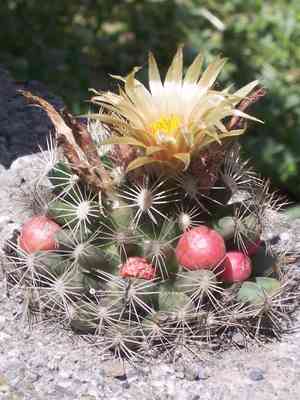
The most suitable period for transplanting missouri foxtail cactus is during the spring, when its development is robust. Select a brightly lit location that offers excellent drainage. If necessary, exercise caution when handling because of its fragile thorns.
What Preparations are Needed Before Transplanting Missouri Foxtail Cactus?
What is the Ideal Time for Transplanting Missouri Foxtail Cactus?
The best time to move missouri foxtail cactus is during the spring season, as moderate temperatures aid root development without causing undue stress. Relocating missouri foxtail cactus in spring promotes vigorous growth, maximizing the benefits of the growing period. A helpful tip: this timing ensures missouri foxtail cactus acclimates comfortably, preparing it for the summer heat. Utilizing spring's mild weather conditions establishes a strong foundation for a successful transition. Remember, careful handling during this phase is crucial for missouri foxtail cactus's future prosperity!
How Much Space Should You Leave Between Missouri Foxtail Cactus Plants?
When relocating your missouri foxtail cactus, ensure they have ample room to expand. Ideally, a spacing of approximately 0.5-1 feet (15-30 cm) is recommended. This provides sufficient area for them to thrive and maintain good health.
What is the Best Soil Mix for Missouri Foxtail Cactus Transplanting?
For your missouri foxtail cactus, you'll want to prepare a soil that drains well, as these plants prefer arid conditions. Combine sand or perlite with standard potting soil for optimal results. Incorporate a slow-release cactus fertilizer to give them a healthy start.
Where Should You Relocate Your Missouri Foxtail Cactus?
Ample sunlight is crucial for your missouri foxtail cactus! Select a spot that receives direct sunlight for at least six hours daily. However, shield them from the most intense afternoon sun to prevent scorching. Happy planting!
What Equipments Should You Prepare Before Transplantation Missouri Foxtail Cactus?
Gardening Gloves
To shield your hands from the spines of the missouri foxtail cactus while handling the soil and plant.
Shovel
To excavate the plant from its original spot and to prepare the new location.
Gardening Fork
For gently loosening the soil around the root mass without causing significant harm to the plant.
Secateurs or Pruning Shears
To trim any damaged roots or stems during the process.
Watering Can or Hose
To hydrate the plant before and after its relocation.
Wheelbarrow
To safely transport the plant from its initial position to the new site.
Tarp or Burlap
To safeguard the root ball during transit.
How Do You Remove Missouri Foxtail Cactus from the Soil?
How Do You Remove Missouri Foxtail Cactus from the Soil?
From Ground: First, hydrate the missouri foxtail cactus a day prior to transplanting to minimize shock. Then, using your shovel, dig a wide trench about a foot away from the plant's base, keeping the root ball intact to prevent damage. Gradually work the spade beneath the root ball, and gently lift the plant from its position. If the plant is large, use a wheelbarrow to move it to the new location.From Pot: Water the missouri foxtail cactus plant thoroughly before beginning. Carefully turn the pot sideways, hold the plant at its base, and try to ease it out. If the plant is stuck, compress the sides of the pot to loosen the soil and attempt again.From Seedling Tray: Water the tray to moisten the soil, making it easier for the seedlings to slide out. Using a gardening fork, carefully lift the small seedling from the bottom to ensure the roots remain undamaged.
Step-by-Step Guide for Transplanting Missouri Foxtail Cactus
Site Preparation
Prepare the new planting area by digging a hole that is twice as wide and as deep as the root ball of the missouri foxtail cactus. Loosen the soil at the base of the hole with a gardening fork.
Placement
Position the cactus in the hole, ensuring the root ball is level with the ground surface. Backfill the hole with the previously excavated soil, gently firming it around the base of the missouri foxtail cactus.
Watering
Once planted, water the cactus generously. This will eliminate air pockets and help the plant settle into its new home.
How Do You Care For Missouri Foxtail Cactus After Transplanting?
Watering
After transplanting, provide enough water to the missouri foxtail cactus to keep the soil slightly damp. Avoid overwatering; excessive moisture can lead to root rot.
Monitoring
Observe the plant for any indications of transplant shock, such as wilting or yellowing. If these symptoms appear, reduce exposure to sunlight and maintain consistent watering. Remember, recovery may take time.
Pruning
Remove any withered or dead sections. This will help the missouri foxtail cactus prioritize establishing new roots instead of maintaining damaged parts.
Protecting
Because the missouri foxtail cactus is newly transplanted, it can be more susceptible to pests and diseases. Keep a close watch for these potential issues and treat them accordingly to ensure the plant's healthy development.
Troubleshooting Common Issues with Missouri Foxtail Cactus Transplantation.
What's the best time of year to transplant missouri foxtail cactus?
The optimal seasons to relocate missouri foxtail cactus are late spring to early summer. This provides the plant with the best opportunity to establish itself before colder weather arrives.
How far apart should missouri foxtail cactus be planted?
For ideal growth, position missouri foxtail cactus at least 0.5-1 feet (15-30 cm) apart. This allows ample room for each plant to flourish without competing for resources.
Why is my transplanted missouri foxtail cactus wilting?
Wilting after transplant is typically a sign of transplant shock. Ensure missouri foxtail cactus is adequately watered but not excessively, and shield it from extreme weather conditions.
What should I do if the missouri foxtail cactus shows yellowing after transplant?
Yellowing could indicate a nutrient deficiency or overwatering. Check soil drainage and consider using a balanced fertilizer. If the condition persists, consult a plant specialist.
What kind of soil mix is ideal for transplanting missouri foxtail cactus?
Missouri foxtail cactus thrives in well-draining, sandy or gritty soil. It's best to incorporate coarse grit to enhance drainage for the plant's health and growth.
What's the process of preparing missouri foxtail cactus for transplant?
Begin by carefully removing missouri foxtail cactus from its current location, preserving the root ball. Then, prepare the new hole, making it deep and wide enough for the root system.
How should I water missouri foxtail cactus immediately after transplanting?
Water the missouri foxtail cactus generously right after transplanting. This helps settle the soil and reduces transplant shock. However, avoid overwatering as it can lead to root rot.
Should I prune missouri foxtail cactus before or after transplanting?
Generally, it's not necessary to prune missouri foxtail cactus during transplantation. However, if the plant is overgrown or damaged, you may prune it carefully before moving.
Can I use mulch when transplanting missouri foxtail cactus?
Yes, applying a thin layer of mulch can help retain soil moisture and protect the plant from extreme temperatures. However, ensure it doesn't touch the plant's stem to prevent rot.
What if missouri foxtail cactus doesn't show new growth after transplant?
Sometimes missouri foxtail cactus needs time to establish after transplant. Ensure it's provided optimal care. If no new growth appears after a few weeks, consult with a plant expert.



