How to Propagate Missouri foxtail cactus?
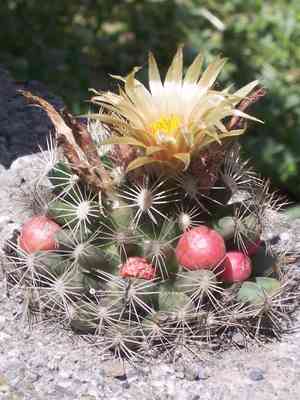
Hailing from the prairies of North America, missouri foxtail cactus excels in harsh landscapes and thus responds favorably to propagation techniques that emulate its natural surroundings. Cuttings represent the frequently employed approach, involving a section of the cactus, ideally a robust stem piece, being allowed to harden for several days. Subsequently, it ought to be placed in a substrate that drains effectively, akin to the coarse ground it typically inhabits. Regular, measured irrigation aids the cuttings in developing roots, mirroring indigenous circumstances without encouraging decay. For flourishing development, the selected setting should be maintained at a warm temperature, replicating missouri foxtail cactus's inherent climate.
Optimal Time for Missouri Foxtail Cactus Propagation
Propagation Method
Cutting
Propagation Period
Spring,Summer
Tools for Missouri Foxtail Cactus Propagation
Sharp, sterilized knife or scissors
These implements are essential for making clean cuts on missouri foxtail cactus segments, thereby minimizing infection risk and damage to the parent plant. A precise cut promotes a healthy cutting, enhancing rooting success.
Rooting hormone powder or gel
This substance encourages root growth at the severed end of missouri foxtail cactus cuttings. Dipping the base of the cuttings into the hormone significantly boosts root development, crucial for new plant establishment.
Well-draining cactus potting mix
Ensures missouri foxtail cactus cuttings are not in excessively moist soil, which can cause rot. The blend typically includes sand, perlite, and compost, providing the necessary drainage and aeration for cactus species.
Small pots or trays
These containers are utilized for planting missouri foxtail cactus cuttings. They should be appropriately sized to support initial growth without crowding, allowing ample space for root development.
Tweezers or tongs
Due to the spiny nature of missouri foxtail cactus, these tools aid in safely handling cuttings, preventing injury to the propagator and avoiding damage to plant tissue.
Environmental humidity control (e.g., plastic wrap or a propagation dome)
Maintains high humidity around missouri foxtail cactus cuttings, promoting moisture retention in the air and soil, which is beneficial for rooting without drying out.
How to Propagate Missouri Foxtail Cactus?
Propagation Type
Simple
Caring for Your Newly Propagated Missouri Foxtail Cactus
Caring for Your Newly Propagated Missouri Foxtail Cactus?
Once missouri foxtail cactus has developed roots and exhibits new growth, continue care by ensuring ample light, minimal water, and protection from frost. Gradually introduce it to more direct sunlight. Persist with a well-draining soil mix and a pot with adequate drainage holes to prevent water accumulation. Fertilize sparingly during the growing season with a cactus-specific fertilizer to promote health and vigor.
Common Errors to Avoid When Propagating Missouri Foxtail Cactus
Overwatering
Propagating missouri foxtail cactus demands careful water management. Excessive watering can lead to root rot and fungal diseases due to its sensitivity to surplus moisture, especially during the rooting phase.
Using Poor Soil Mix
A frequent error is employing a non-draining soil mixture. Missouri foxtail cactus requires a well-draining cactus mix to prevent water retention around its roots.
Incorrect Cuttings
Taking cuttings that are too immature or not allowing a callus to form before planting are common mistakes that can result in poor rooting success for missouri foxtail cactus.
Excessive Handling
Too much handling or disturbance of missouri foxtail cactus during rooting can harm delicate new roots and impede the plant's development.
Tips For Propagating Missouri Foxtail Cactus
Well-Draining Soil
Utilize a cactus-specific or sandy, gravelly soil blend to ensure proper drainage for missouri foxtail cactus, mimicking its natural rocky environment.
Dry Callousing Period
Allow cuttings to dry and form a callus for several days before planting to reduce rot risk and encourage root formation.
Optimal Cutting Size
When taking cuttings, select healthy, mature stem segments as they will have better chances of successful rooting.
Gentle Handling
Minimize handling of missouri foxtail cactus during the propagation process to protect roots and promote healthy plant growth.



