How to Transplant Henderson's fawn lily?
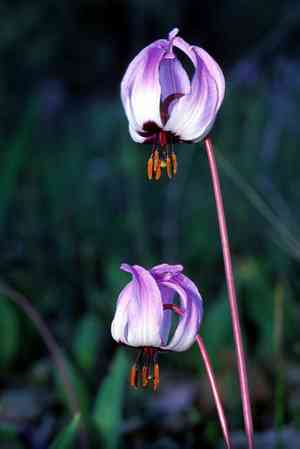
Henderson's fawn lily flourishes optimally when relocated in the initial to middle part of spring, when the ground is damp yet not waterlogged. Select a site offering partial shade and soil that drains effectively. Verify that the new position mirrors its native environment for successful adaptation.
What Preparations are Needed Before Transplanting Henderson's Fawn Lily?
What is the Ideal Time for Transplanting Henderson's Fawn Lily?
The best time to move henderson's fawn lily is during early to mid-spring. This period ensures the ground is manageable and the plant benefits from damp, cool conditions, minimizing transplant stress. Relocating henderson's fawn lily at this time promotes better root development and growth, setting the stage for a vibrant and flourishing perennial garden.
How Much Space Should You Leave Between Henderson's Fawn Lily Plants?
When relocating henderson's fawn lily, ensure each plant is spaced 6-8 inches (15-20 cm) apart. This provides ample room for growth and guarantees healthy development. Your garden will appear organized, and the plants will have sufficient space to flourish!
What is the Best Soil Mix for Henderson's Fawn Lily Transplanting?
For optimal outcomes, plant henderson's fawn lily in well-draining soil enriched with organic compost. If your soil is dense, incorporate some sand to enhance drainage. Begin with a balanced base fertilizer, such as a 10-10-10 formula, to give the plants a strong start.
Where Should You Relocate Your Henderson's Fawn Lily?
Position henderson's fawn lily in an area that receives partial to full sunlight. They thrive in filtered light under trees or along garden borders where they can get morning sun and some afternoon shade. This light arrangement will mimic their natural habitat and encourage blooming.
What Equipments Should You Prepare Before Transplantation Henderson's Fawn Lily?
Gardening Gloves
To safeguard your hands while handling soil and plants.
Shovel or Spade
For digging and lifting the plant from its initial spot.
Trowel
To aid in excavating a hole in the new location.
Watering Can or Hose
For hydrating the plant before and after relocation.
Pruning Shears
To trim any damaged roots or foliage.
How Do You Remove Henderson's Fawn Lily from the Soil?
How Do You Remove Henderson's Fawn Lily from the Soil?
From Ground: First, hydrate the henderson's fawn lily plant to moisten the soil. Next, dig a wide trench around the plant using a shovel or spade, ensuring the plant's root ball remains intact. Carefully work the spade beneath the root ball to lift the plant from its original position.From Pot: Water the henderson's fawn lily plant thoroughly before extraction. Gently tap the pot's sides to loosen the soil, then tilt the pot and slide the plant out, keeping the root ball whole.From Seedling Tray: Water the seedlings prior to removal to dampen the soil. Use a trowel or your fingers to carefully lift the seedling by its leaves, not its stem, ensuring the root system stays intact.
Step-by-Step Guide for Transplanting Henderson's Fawn Lily
Site Preparation
Prepare the new site by digging a hole twice the size of the henderson's fawn lily plant's root ball. Ensure the soil is loose and drains well.
Remove Plant
Refer to the removal procedure for the plant's initial location. Carefully extract the henderson's fawn lily plant, ensuring the root ball remains undamaged.
Planting
Place the henderson's fawn lily plant into the prepared hole at the same depth it was growing previously. Fill the hole with soil, gently pressing down to eliminate air pockets.
Watering
After planting, thoroughly water the henderson's fawn lily to help settle the soil and roots. Ensure the water penetrates deeply to reach the root system.
Mulching
Apply a layer of mulch around the base of the henderson's fawn lily plant to retain moisture and regulate soil temperature. Avoid piling mulch against the stem.
How Do You Care For Henderson's Fawn Lily After Transplanting?
Watering
Keep the soil around the henderson's fawn lily consistently moist, but not waterlogged, for the initial few weeks post-transplant to aid in establishing strong roots.
Monitoring
Observe the henderson's fawn lily for any indications of transplant shock, such as wilting or yellowing leaves, and adjust care as necessary.
Pruning
Remove any damaged or dead foliage to encourage healthy growth and reduce stress on the plant.
Weeding
Regularly remove any weeds around the henderson's fawn lily to lessen competition for nutrients and water.
Troubleshooting Common Issues with Henderson's Fawn Lily Transplantation.
When is the best time to transplant henderson's fawn lily?
Early to mid spring is ideal for transplanting henderson's fawn lily.
How far apart should henderson's fawn lily be spaced?
Space henderson's fawn lily 6 to 8 inches (15 to 20 cm) apart for optimal growth.
What type of soil is best for transplanting henderson's fawn lily?
Choose a well-drained, humus-rich soil for transplanting henderson's fawn lily.
How deep should I plant henderson's fawn lily's bulbs?
Plant henderson's fawn lily's bulbs about 3 inches (7.5 cm) deep.
How much water does henderson's fawn lily need after transplanting?
Water henderson's fawn lily thoroughly after transplanting and keep the soil moist but not waterlogged.
Should I fertilize henderson's fawn lily after transplanting?
Use a balanced, slow-release fertilizer after transplanting henderson's fawn lily to promote healthy growth.
How do I prepare the planting site for henderson's fawn lily?
Loosen the soil and remove any weeds or debris before transplanting henderson's fawn lily.
How can I prevent transplant shock in henderson's fawn lily?
Transplant henderson's fawn lily on a cloudy day and water immediately to reduce transplant shock.
Is it necessary to mulch after transplanting henderson's fawn lily?
Mulching around henderson's fawn lily helps retain moisture and suppress weeds.
What should I do if henderson's fawn lily appears wilted after transplanting?
Ensure henderson's fawn lily is properly watered and consider providing shade until it recovers.



