How to Transplant Kaffirboom?
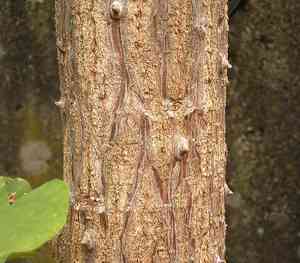
Kaffirboom flourishes when relocated from the beginning to the end of spring, coinciding with its vigorous growth phase. Select a bright area featuring soil that drains effectively for peak development. Verify that the planting site offers protection from powerful gusts.
Essential Preparations Before Relocating Kaffirboom
Optimal Period for Kaffirboom Relocation?
The best time for moving kaffirboom is from the start of early spring through the flourishing period of late spring. Transplanting within this timeframe allows the plant to develop strong roots before summer's intensity. Early spring offers milder temperatures and consistent moisture, while late spring provides extended daylight, both promoting robust growth and stability for kaffirboom.
Required Spacing Between Kaffirboom Specimens?
For optimal development and sufficient room for kaffirboom, ensure each plant is positioned approximately 20-30 feet (6-9 meters) apart. This spacing prevents competition for nutrients among individual plants.
Ideal Soil Blend for Kaffirboom Transplantation?
For kaffirboom, a well-draining, sandy to loamy soil is preferred. Incorporating a phosphorus-rich base fertilizer into the soil can encourage vigorous root growth. Consider adding compost to enrich the soil, fostering healthy development.
Optimal Location for Kaffirboom Relocation?
Kaffirboom thrives in full sun, so choose a bright spot that receives at least 6-8 hours of direct sunlight daily. This ensures the plant gets adequate light to support its growth and vibrant blossoms.
Tools Required Before Kaffirboom Transplantation
Gardening Gloves
To safeguard your hands while handling soil and the plant.
Spade or Shovel
For excavating around the plant and its new planting site.
Watering Can or Hose
To hydrate the plant and soil both before and after the transplant.
Pruning Shears
To trim any damaged roots or branches.
Tarp or Large Cloth
To transport the plant with its root ball intact, minimizing root disturbance.
Stakes and Twine
To provide support for the plant if necessary post-transplant.
Method for Extracting Kaffirboom from its Current Location?
Method for Extracting Kaffirboom from its Current Location?
From Ground: First, water the kaffirboom plant to moisten the soil. Next, dig a wide trench around the plant using a shovel or spade, ensuring the plant's root ball remains undisturbed. Carefully work the spade beneath the root ball to lift the plant from its original spot.From Pot: Thoroughly water the kaffirboom plant. Gently turn the pot on its side and tap the edges to loosen the soil. Carefully slide the plant out, supporting the root ball with your hand. If the plant is root-bound, gently separate the roots with your fingers.From Seedling Tray: Water the seedlings to facilitate easier removal. Use a small implement like a spoon or a pencil to gently lift the seedlings from below, ensuring the roots are supported. Handle the seedlings by their leaves to avoid harming the stem.
Step-by-Step Guide for Relocating Kaffirboom
Prepare New Site
Ensure the new planting location is ready by digging a hole twice the width of the kaffirboom plant's root ball.
Soil Amendment
Improve the soil if needed, ensuring it drains well and is rich in organic matter.
Moisten Soil
Water the new planting hole to dampen it before placing the plant.
Plant Positioning
Position the kaffirboom plant in the hole, making sure it's at the same depth as it was previously. Backfill the hole with soil, gently pressing to remove air pockets.
Thorough Watering
Water the plant thoroughly after planting to settle the soil around the roots.
Support Installation
If necessary, use stakes and twine to support the kaffirboom plant to prevent it from falling over.
Post-Transplant Care for Kaffirboom
Watering
Keep the soil around the kaffirboom consistently damp, but not waterlogged, for the initial weeks after transplanting to aid in root establishment.
Mulching
Apply a layer of mulch around the plant's base to retain moisture and inhibit weed growth.
Pruning
Trim any damaged leaves or branches to lessen stress on the plant and encourage healthy development.
Monitoring
Observe the plant for signs of stress, such as yellowing foliage or wilting, and provide additional water or support as required.
Addressing Common Kaffirboom Transplantation Issues.
When is the optimal time to transplant kaffirboom?
Early spring to late spring is ideal for relocating kaffirboom.
What spacing should I maintain between kaffirboom plants?
Allow 20-30 feet (6-9 meters) between kaffirboom plants for healthy development.
How deep should the hole be for kaffirboom?
Excavate a hole twice the width and the same depth as the kaffirboom's root ball.
What if kaffirboom wilts after transplanting?
Ensure adequate watering and provide partial shade to help kaffirboom recover from transplant shock.
How do I prepare the soil for kaffirboom transplantation?
Enrich the soil with compost and ensure good drainage for robust kaffirboom growth.
What's the best way to water kaffirboom after transplanting?
Water kaffirboom deeply and regularly, keeping the soil consistently moist but not saturated.
How can I prevent root damage when transplanting kaffirboom?
Carefully dig around kaffirboom to preserve the root ball and minimize root disturbance.
Should I fertilize kaffirboom after transplanting?
Wait a few weeks after relocating kaffirboom before fertilizing to prevent root burn.
How can I support a top-heavy kaffirboom after transplanting?
Temporarily stake kaffirboom to provide support until its roots establish and strengthen.
What type of mulch is best for kaffirboom post-transplant?
Utilize organic mulch around kaffirboom to retain moisture and suppress weeds.



