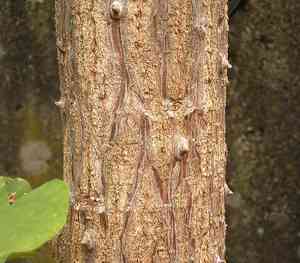
Kaffirboom (Erythrina caffra)
Also known as: Lucky bean tree, Coral tree
The Coral Tree, also known as Erythrina lysistemon, is a remarkable deciduous tree celebrated for its brilliant scarlet flowers that bloom in spring before the leaves appear. Reaching heights of up to 15 meters, this tree features a broad crown and adapts well to coastal areas. Its dark green, trifoliate leaves provide a striking contrast to the tubular red flowers, which attract birds like sunbirds, crucial for pollination. The bark and seeds of the Coral Tree have been used in traditional South African medicine, highlighting its cultural significance.
In This Article
Attributes of Kaffirboom
Lifespan
Perennial
Plant Type
Tree
Plant Height
10-15 meters
Spread
10-12 meters
Leaf Color
Dark Green
Flower Size
5-8 cm
Flower Color
Red
Images of Kaffirboom
Quickly Identify Kaffirboom
1
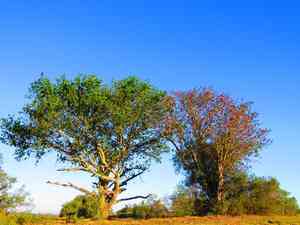
Look for a medium to large deciduous tree with a spreading crown. The flowers are bright red, tubular, and clustered, appearing before the leaves. Leaves are trifoliate with a dark green color.
Scientific Classification of Kaffirboom
Phylum
Vascular plants
Class
Dicotyledons
Order
Fabales
Family
Legume
Genus
Coral trees
Species
Kaffirboom
Planting and Growing of Kaffirboom
Care Difficulty
Easy
Watering Schedule
Every 3 days
Sunlight Requirements
Full sun
Sunshine Duration
6-10 hours
Ideal Temperature
60-75℉
Soil Type
Potting Mix, Peat Mix
Soil pH
6-7.5
Fertilizer Type
Balanced
Pruning Season
Spring, Summer
Pruning Area
Branches, Leaves
Pruning Frequency
2 times a year
Repotting Season
Spring
Pot Type
Plastic, Ceramic
 How to Water Kaffirboom?
Erythrina caffra prefers deep watering, allowing the soil to become moderately moist but not waterlogged. Each watering should involve approximately 500 ml of water per session to ensure the roots have adequate moisture while avoiding excess saturation.
What are the symptoms of an underwatered Kaffirboom?
›
What should I do if my Kaffirboom is not getting enough water?
›
What are the symptoms of an overwatered Kaffirboom?
›
How to save an overwatered Kaffirboom?
›
 What Are the Sunlight Requirements for Kaffirboom?
Erythrina caffra thrives with full sun, benefiting from a robust photosynthesis process that supports extensive flowering and healthy foliage.
Best Location for Growth
›
Protection from Harsh Elements
›
Adaptability to Sun Variability
›
 What Is the Ideal Temperature Range for Kaffirboom?
The ideal temperature range for Erythrina caffra is between 60°F and 75°F. In this range, the plant achieves optimal growth, ensuring healthy foliage and vibrant blooms. Maintaining a stable temperature within this range is crucial to mimic its natural environment and fostering its growth.
 What Soil is Best for Kaffirboom?
Erythrina caffra thrives in nutrient-rich soil as it supports robust growth and vibrant displays of flowers. Providing organic matter like compost can enhance soil fertility and promote healthy development. Good drainage is crucial for Erythrina caffra to prevent root rot. A soil mix incorporating sand or small gravel ensures excess water drains away quickly, keeping the root system healthy. While Erythrina caffra is drought-tolerant, maintaining moderate moisture levels supports optimal growth. Regular watering during dry spells ensures sufficient hydration without waterlogging.
 How to Fertilize Kaffirboom?
For Erythrina caffra, a moderate approach to fertilization is ideal. When applying liquid fertilizer, use a balanced 10-10-10 or 20-20-20 fertilizer, diluted to half the recommended strength on the label. For solid slow-release fertilizers, apply approximately 250 grams per tree per application. Over-fertilization can harm the plant, so always err on the side of caution.
 How to Prune Kaffirboom?
Begin by removing any dead, diseased, or damaged branches. Use clean, sharp pruning shears to make cuts just above a healthy node or branch. This step not only helps in maintaining the tree’s health but also improves its aesthetic appeal. After removing the unwanted branches, focus on shaping the tree. Erythrina caffra can be quite sprawling, so trim back overextended branches to maintain a balanced look. This will also enhance its structural strength and manage its size effectively. To promote airflow, thin out areas where branches are overly crowded. This ensures better light penetration and reduces the risk of fungal infections caused by excess moisture buildup in tightly-knit branches.
More About Pruning Techniques→
 How to Propagate Kaffirboom plant?
1
Erythrina caffra seeds should be scarified before planting. Use a file or sandpaper to lightly scuff the outer seed coating to facilitate better water absorption and faster germination.
2
Select healthy cuttings approximately 6-8 inches long with several nodes. Remove leaves from the lower portion and dip the cut end in rooting hormone before planting.
3
Plant seeds or prepared cuttings in a well-draining potting mix. Ensure they are planted at an appropriate depth, with seeds about half an inch deep and cuttings inserted deep enough to remain upright.
 How to Repot Kaffirboom plant?
1
Erythrina caffra typically needs repotting in spring when the plant shows signs of overgrowth or root-bound conditions. Look for roots emerging from drainage holes or a noticeable decrease in vigor as indicators. During these active growth phases, the plant can better recover from the disturbance of repotting, making it an ideal time to refresh its environment and ensure continued healthy growth.
2
Select a pot that is only slightly larger than the current one, providing just enough room for new roots. It should also have sufficient drainage holes to prevent waterlogging. Opting for terracotta materials can help absorb excess moisture, safeguarding against root rot. A slightly larger container also ensures that the plant receives adequate nourishment and space to continue flourishing without promoting excessive water retention.
3
A well-draining potting mix is crucial for Erythrina caffra to avoid waterlogged roots. A mix that includes sand, perlite, or pumice ensures good aeration and drainage, mimicking the plant's natural habitat. This type of soil allows the roots to breathe and grow freely, which is essential for maintaining the overall health and vitality of this vibrant member of the legume family.
Toxicity
Ingestion
WARNING
The judgment on toxicity and danger is for reference only. We DO NOT GUARANTEE any accuracy of such judgment. Therefore, you SHALL NOT rely on such judgment. It is IMPORTANT TO SEEK PROFESSIONAL ADVICE in advance when necessary.



