How to Prune Kaffirboom?
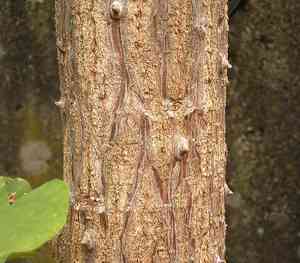
Distinguished by its vibrant red blossoms and expansive green foliage, kaffirboom thrives with judicious trimming. The optimal period for this task is in late winter or early spring, prior to the emergence of fresh shoots. At this time, eliminate any deceased or ailing branches, and reduce density in congested zones to enhance light access and air circulation. Consistent trimming boosts the plant's well-being and bloom production, while preserving its overall form. Thoughtful pruning additionally encourages strong development, guaranteeing a splendid presentation annually.
What Are the Benefits of Pruning Kaffirboom?
What Are the Benefits of Pruning Kaffirboom?
Trimming kaffirboom promotes vigorous development and maintains its ornamental form. Regular cutting back encourages dense foliage, reduces the likelihood of elongated, weak branches, and keeps the tree aesthetically pleasing and structurally sound.
What Is the Best Time for Pruning Kaffirboom?
What Is the Best Time for Pruning Kaffirboom?
Pruning kaffirboom during late winter and early spring is optimal as it coincides with the plant's natural dormant phase. During this period, kaffirboom exhibits a slower metabolic rate, which minimizes stress and reduces sap loss when pruned. Furthermore, trimming before the emergence of new spring growth allows cultivators to shape the tree effectively without hindering the development of new shoots and blossoms. This timing ensures that kaffirboom has ample opportunity to recover from pruning cuts before the active growth season commences, thereby preserving the plant's health and enhancing its flowering capacity.
What Tools Do I Need to Prune Kaffirboom?
Bypass Pruners
Perfect for making clean, precise cuts on smaller kaffirboom branches, ensuring minimal harm to the plant's tissues.
Loppers
Equipped with long handles, loppers provide the necessary leverage to cut through thicker kaffirboom branches that are typically difficult to reach.
Pruning Saw
Suitable for removing larger, mature kaffirboom branches. Its serrated blade makes cutting through tougher wood effortless.
Pole Pruner
Useful for reaching higher branches without needing a ladder, improving safety while pruning kaffirboom.
Gloves
Essential for protecting hands from thorns and rough bark when handling kaffirboom, ensuring a safe pruning experience.
How to Prune Kaffirboom
Identify
Identify and assess any dead or diseased kaffirboom branches. These branches typically appear dry, brittle, and may show signs of discoloration or fungal growth.
Prepare tools
Prepare sterile pruning tools. Sterilize shears or saws with a solution of 1 part bleach to 9 parts water to prevent the spread of diseases during the pruning process.
Cut diseased branches
Carefully prune diseased branches, making cuts at least a few inches into healthy wood beyond the infected sections to ensure all diseased parts are removed. Make the cuts just above a lateral branch or bud to promote healthy regrowth.
Remove dead branches
Trim away dead branches, cutting back to the point where they meet healthy, living tissue. Ensure cuts are clean and smooth to facilitate quick healing.
Cleanup
Dispose of all removed material properly by burning or binning it to prevent any potential contamination or reinfection in the garden. Clean and dry your tools after finishing.
Common Pruning Mistakes with Kaffirboom
Over-pruning
Removing too much foliage from kaffirboom can significantly stress the plant, hindering its growth and reducing its overall health. Novice gardeners especially are at risk of cutting back more than the recommended 20% to 30% of the plant’s volume.
Incorrect tool use
Using dull or unsuitable pruning tools can cause jagged cuts that heal poorly, leaving kaffirboom vulnerable to pest infestation and diseases.
Pruning too close
Cutting branches too close to the main stem can harm the collar (the thickened part of a branch base), which is crucial for proper wound healing.
Ignoring branch structure
Not considering the architecture of kaffirboom while pruning can result in a weakened, unbalanced structure that may lead to physical damage or diseased branches in the future.
Common Pruning Tips for Kaffirboom
Correct tool selection
Always use sharp, clean pruning shears or loppers when grooming kaffirboom. This ensures clean cuts that heal quickly, minimizing the risk of disease.
Prune for health
Remove dead, dying, or diseased branches first. This not only cleans up the appearance of kaffirboom but also prevents the spread of disease and pests.
Maintain natural form
While shaping kaffirboom, aim to maintain its natural vase-like growth pattern. This not only enhances its aesthetic but also ensures its structural integrity and promotes healthy growth.
Selective thinning
Focus on thinning branches to improve light and air penetration throughout the canopy of kaffirboom. This encourages robust growth and increases flower production.



