How to Transplant Giant sea holly?
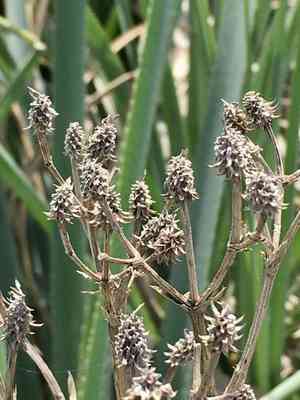
Eryngium giganteum should be relocated during the initial to middle stages of spring, when temperatures are mild and the ground is pliable. Select a bright, adequately draining spot for superior outcomes. Hydrate completely following the relocation for prime integration.
What Preparations are Needed Before Transplanting Giant Sea Holly?
What is the Ideal Time for Transplanting Giant Sea Holly?
Giant sea holly should ideally be moved in early to mid-spring. This timeframe provides excellent soil conditions and sufficient moisture, fostering strong root development. Relocating during this period minimizes shock and allows the perennial to adapt and flourish throughout the growing season, leading to a healthier, more vibrant plant.
How Much Space Should You Leave Between Giant Sea Holly Plants?
Ensure each giant sea holly plant is positioned 24-36 inches (61-91 cm) apart to provide ample room for growth and proper air circulation.
What is the Best Soil Mix for Giant Sea Holly Transplanting?
Prepare soil that drains well and is enriched with compost. A neutral to slightly alkaline pH is optimal. Apply a balanced base fertilizer, such as a 10-10-10, to supply essential nutrients.
Where Should You Relocate Your Giant Sea Holly?
Giant sea holly flourishes in full sun. Select a spot that receives at least 6-8 hours of sunlight daily to ensure vigorous growth and abundant blooms.
What Equipments Should You Prepare Before Transplantation Giant Sea Holly?
Gardening Gloves
To safeguard your hands while working with the soil and plant material.
Shovel or Spade
For excavating around the plant and creating the new planting site.
Garden Fork
To assist in loosening the soil surrounding the plant's root ball.
Watering Can or Hose
To hydrate the plant before and after its relocation.
Pruners
For trimming any damaged roots or foliage during the process.
Mulch
To aid in moisture retention and suppress weeds around the newly transplanted specimen.
Measuring Tape
To ensure correct spacing and depth for the transplant.
How Do You Remove Giant Sea Holly from the Soil?
How Do You Remove Giant Sea Holly from the Soil?
From Ground: First, water the giant sea holly plant to moisten the soil. Next, dig a wide trench around the plant using a shovel or spade, making sure the plant's root ball remains intact. Carefully work the spade beneath the root ball to lift the plant from its original spot.From Pot: Water the giant sea holly plant to loosen the soil. Gently invert the pot while supporting the plant with your other hand. Tap the bottom of the pot to release the plant. If it's stuck, use a garden fork or your hand to carefully coax the plant out.From Seedling Tray: Water the seedlings thoroughly before removal. Use a small tool like a dibber or a spoon to carefully lift each seedling from the tray, ensuring that the root system stays intact, especially the delicate roots.
Step-by-Step Guide for Transplanting Giant Sea Holly
Site Preparation
In advance, choose the transplant location. Then, prepare the soil by loosening it and enriching it with organic matter if needed. Ensure the planting area is free of weeds.
Digging the Hole
Excavate a hole that is approximately twice as wide and deep as the giant sea holly's root ball. This additional space will help the roots establish quickly in their new environment.
Adding Water
Fill the hole with water and allow it to drain. This step ensures the soil is moist and soft for the new roots to spread.
Plant Placement
Position the plant in the hole at the same depth it was growing in its previous location. The top of the root ball should be level with the surrounding soil surface.
Backfilling the Hole
Gently refill the hole with soil, pressing it down lightly around the root ball. Be careful not to compact the soil too much as this can impede root growth.
Watering
After backfilling, thoroughly water the giant sea holly to settle the soil around the roots and eliminate any air pockets.
Mulching
Apply a layer of mulch around the plant but keep it away from the stem to prevent rot. Mulching will help retain moisture and deter weed growth.
How Do You Care For Giant Sea Holly After Transplanting?
Watering
Keep the soil around the giant sea holly consistently moist, but not waterlogged, for the initial few weeks post-transplant to aid in strong root establishment.
Monitoring
Regularly inspect the plant for signs of stress, such as wilting or yellowing leaves. If observed, make necessary adjustments in watering or shading.
Fertilizing
Once the plant is established, consider a light application of a balanced fertilizer to encourage new growth.
Support
Staking might be necessary if the giant sea holly is tall or situated in a windy area. Use gentle ties to secure the plant to the stake, allowing it to still sway slightly in the breeze.
Pruning
Trim any dead or damaged leaves to promote healthy growth. This also helps the plant direct its energy towards developing strong roots.
Troubleshooting Common Issues with Giant Sea Holly Transplantation.
When is the best time to transplant giant sea holly?
The optimal time to relocate giant sea holly is during early to mid-spring for best growth.
How much spacing should I give giant sea holly?
Space giant sea holly 24-36 inches (60-90 cm) apart to ensure each plant has ample room to develop.
What soil type is best for giant sea holly?
Well-drained, sandy soil with good organic content is ideal for giant sea holly.
Should I water giant sea holly immediately after transplanting?
Yes, water giant sea holly thoroughly after transplanting to help it establish roots in its new location.
Do I need to fertilize giant sea holly after transplanting?
Use a balanced fertilizer sparingly after transplanting to encourage healthy root and foliage growth.
What kind of mulch is suitable for giant sea holly?
Organic mulch such as bark or wood chips will help retain moisture and suppress weeds around giant sea holly.
How deep should I plant giant sea holly during transplanting?
Plant giant sea holly at the same depth as it was in its original location to avoid stress.
What precautions should I take while handling giant sea holly roots?
Handle giant sea holly roots gently to prevent damage. Avoid breaking or tearing the roots during transplanting.
How much sunlight does giant sea holly need?
Giant sea holly thrives in full sun, so choose a location with at least 6 hours of direct sunlight daily.
How do I know if giant sea holly is stressed after transplanting?
Watch for wilting or yellowing leaves. Provide adequate water and shade if giant sea holly shows signs of stress.



