How to Prune Giant sea holly?
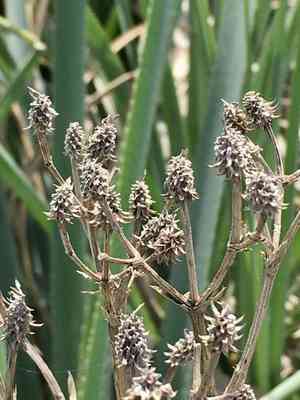
Eryngium giganteum, recognized for its towering, pointed leaves and vivid flowers, thrives with trimming from the close of winter to the start of spring. Cut away aged, lifeless stalks to stimulate fresh development and enhance air movement. After flowering, sever the spent flower stems to deter undesired self-propagation. Strategic cutting improves visual attractiveness and fosters a more robust, energetic specimen by directing its vitality toward new shoots. Refrain from severe cutting, as this could cause distress to the plant.
Advantages of Trimming Giant Sea Holly
Advantages of Trimming Giant Sea Holly
Trimming giant sea holly encourages robust development, aids in maintaining an optimal form, and prevents excessive growth. By eliminating lifeless or damaged sections, pruning also improves the plant's look and lessens the chance of pests and illnesses.
Optimal Period for Trimming Giant Sea Holly
Optimal Period for Trimming Giant Sea Holly
Trimming giant sea holly in early spring or late winter is advisable due to its distinct growth pattern. Pruning at these times helps eliminate any dead or damaged material from the prior season, fostering healthier and more vigorous growth in the upcoming growing period. Furthermore, trimming during these intervals minimizes infection and disease risk, as sap flow is typically reduced, lowering the potential for pathogen entry. The plant also has ample time to heal and produce new growth before its peak flowering phase. By adhering to these schedules, gardeners ensure giant sea holly maintains its best health and appearance.
Necessary Tools for Trimming Giant Sea Holly
Bypass Pruners
Perfect for making clean cuts on slender stems and branches, which helps prevent disease and promotes healthy development.
Loppers
Useful for severing thicker, woody stems that bypass pruners cannot handle. Offers greater leverage for tougher cuts.
Pruning Saw
Required for cutting through the thickest stems. It allows for accurate cuts with minimal harm to the plant.
Gloves
Crucial for safeguarding hands from the sharp edges and spiky foliage of giant sea holly. Ensures safety and comfort during the trimming process.
Method for Trimming Giant Sea Holly
Sanitize tools
Before beginning, sanitize pruning tools with a 70% isopropyl alcohol solution to prevent disease transmission.
Identify diseased parts
Thoroughly inspect giant sea holly to pinpoint and locate any diseased leaves.
Remove diseased leaves
Using clean, sharp pruning shears, carefully snip off the diseased leaves at their base, ensuring all affected parts are removed to stop further disease spread.
Identify withered leaves
Next, examine giant sea holly for any withered or dead leaves, which are typically brown or dried out.
Remove withered leaves
Trim off the withered leaves at their base with the shears, being careful not to harm the healthy sections of giant sea holly.
Common Trimming Errors with Giant Sea Holly
Excessive pruning
A frequent mistake gardeners make is removing too much of the plant at once. Over-pruning can stress giant sea holly and diminish its vigor, impeding its ability to recover and bloom properly.
Incorrect cuts
Using dull or unclean tools can result in jagged cuts, leading to infection or disease. Clean, sharp tools are vital for making precise cuts that heal quickly.
Trimming at the wrong time
While the exact season for pruning isn't detailed here, trimming during periods of high stress like extreme heat or drought can harm giant sea holly. Ensure to follow timing guidelines based on environmental conditions.
Failing to remove dead material
Neglecting to identify and remove dead or diseased parts of giant sea holly can lead to disease proliferation and hinder healthy growth.
General Trimming Advice for Giant Sea Holly
Utilize sharp, clean tools
Always use clean, sterilized, and sharp pruning tools to ensure precise cuts that minimize infection risk.
Execute precise cuts
Cut just above leaf nodes or a lateral branch to encourage new growth. Avoid leaving stubs, which can become entry points for diseases.
Regular light trimming
Periodically remove old, damaged, or diseased stems to keep giant sea holly healthy. Light and frequent trimming is preferable to heavy, infrequent cuts.
Monitor health
Observe the plant's reaction post-trimming. If giant sea holly shows signs of distress, reduce the amount of trimming and allow it to recover. Adjust trimming practices as needed to maintain plant health.
Remove spent flowers
Deadhead faded blooms to encourage extended flowering and prevent unnecessary seed production that can drain the plant's energy.



