How to Transplant Blueflower eryngo?
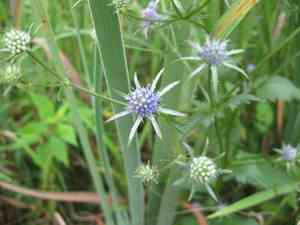
The ideal period for relocating blueflower eryngo is between the beginning and end of spring, or during late autumn, when the plant exhibits reduced activity. Select a site that receives ample sunlight and drains effectively. Following the transplant, guarantee continuous hydration to facilitate successful rooting.
What Preparations are Needed Before Transplanting Blueflower Eryngo?
What is the Ideal Time for Transplanting Blueflower Eryngo?
Blueflower eryngo, a perennial, is best moved from early to late spring, or during late autumn. These periods offer cooler temperatures and sufficient rainfall, minimizing stress and promoting strong root development. Transplanting at these times improves survival rates, encourages robust growth, and aligns the plant's cycle with its natural patterns.
How Much Space Should You Leave Between Blueflower Eryngo Plants?
Ensure blueflower eryngo plants are spaced 12-18 inches (30-45 cm) apart to allow ample room for development. This spacing ensures each plant receives adequate light, air circulation, and nutrients, leading to overall healthier specimens.
What is the Best Soil Mix for Blueflower Eryngo Transplanting?
Prepare the soil by ensuring it is well-draining and sandy. You can incorporate compost or a balanced fertilizer at the base to provide blueflower eryngo with a nutrient-rich start. Avoid heavy clay soils as they tend to retain excessive moisture.
Where Should You Relocate Your Blueflower Eryngo?
Select a sunny location for transplanting blueflower eryngo. These plants flourish with full sun exposure, meaning they require at least 6-8 hours of direct sunlight daily. This will help ensure they grow strong and vibrant.
What Equipments Should You Prepare Before Transplantation Blueflower Eryngo?
Gardening Gloves
To safeguard your hands while handling soil and the plant.
Shovel or Spade
For digging and extracting the plant from its initial spot.
Hand Trowel
For creating precise, small holes in the ground.
Pruning Shears
To trim any damaged roots or foliage.
Watering Can
For hydrating the plant before and after relocation.
Stake and String
To provide support for the plant if necessary.
How Do You Remove Blueflower Eryngo from the Soil?
How Do You Remove Blueflower Eryngo from the Soil?
From Ground: First, moisten the blueflower eryngo plant's soil. Then, excavate a wide trench around the plant using a shovel or spade, ensuring the plant's root ball remains intact. Carefully work the spade beneath the root ball to lift the plant from its original position.From Pot: Thoroughly water the blueflower eryngo plant. Gently tap the pot's sides and bottom to loosen the soil. Carefully invert the pot while supporting the plant and root ball, then slide the plant out. If the plant is stuck, you can run a small knife along the pot's inner edge to free it.From Seedling Tray: Gently water the blueflower eryngo seedlings to help detach their roots from the tray. Use a hand trowel or your fingers to lift each seedling, ensuring you preserve as much of the root system as possible. Handle the seedlings with care to prevent damage to stems and leaves.
Step-by-Step Guide for Transplanting Blueflower Eryngo
Prep the New Hole
Dig a hole in the new spot that is twice as wide and as deep as the blueflower eryngo's root ball.
Remove the Plant
Gently extract your blueflower eryngo from its initial location using the appropriate method from the removal process section.
Inspect the Roots
Examine the blueflower eryngo's roots for any visible damage. Trim any compromised roots with pruning shears to encourage healthy growth.
Place the Plant in the Hole
Carefully position the blueflower eryngo in the prepared hole. Ensure the top of the root ball is level with the ground surface.
Backfill the Hole
Refill the hole with soil, gently pressing it around the root ball to eliminate air pockets. Be careful not to over-compact the soil.
Water Thoroughly
Water the blueflower eryngo thoroughly after transplanting to help settle the soil and promote root establishment.
How Do You Care For Blueflower Eryngo After Transplanting?
Watering
Keep the soil around the blueflower eryngo consistently moist, but not waterlogged, for the initial weeks post-transplant to aid in strong root development.
Mulching
Apply a layer of mulch around the base of the blueflower eryngo to retain moisture and stabilize soil temperature. Ensure the mulch is kept away from the stem to prevent rot.
Support
If necessary, use a stake and string to support your blueflower eryngo until it is well-established.
Monitoring
Regularly check the blueflower eryngo for signs of stress, such as wilting or yellowing leaves, and address any issues promptly. This may involve adjusting watering schedules or checking for pests and diseases.
Troubleshooting Common Issues with Blueflower Eryngo Transplantation.
When is the best time to transplant blueflower eryngo?
You should aim to relocate blueflower eryngo from early to late spring or late fall.
What spacing should I use for blueflower eryngo?
Space blueflower eryngo plants 12-18 inches (30-45 cm) apart to ensure proper development.
How should I prepare the soil for blueflower eryngo?
Ensure well-draining soil, enriched with organic matter to support blueflower eryngo's growth and health.
What should I do if blueflower eryngo appears wilted after transplanting?
Water the plant adequately and provide partial shade until it recovers from transplant shock.
How deep should I plant blueflower eryngo during transplant?
Plant blueflower eryngo at the same depth it was growing in its previous location.
What is the ideal temperature for transplanting blueflower eryngo?
Transplant blueflower eryngo when the temperature is between 55-75°F (13-24°C) for best results.
Should I prune blueflower eryngo before transplanting?
Trim any damaged or excessive top growth to reduce stress on blueflower eryngo during transplanting.
How often should I water blueflower eryngo after transplanting?
Water blueflower eryngo thoroughly after transplanting and keep the soil moist but not waterlogged.
What can I do to improve blueflower eryngo's root establishment?
Add a root stimulant or transplant fertilizer to enhance root development and plant stability.
How do I protect blueflower eryngo from pests post-transplant?
Monitor for pests and treat as necessary with insecticidal soap or other eco-friendly options.



